

AC Breaker Keeps Tripping: 5 Common Reasons and Fixes
When your AC breaker keeps tripping, it is a warning sign that something within the system is drawing more electricity than it should. A circuit breaker is designed to protect your home by shutting off power when it detects overload, overheating, or a short circuit.
- Why repeated breaker trips should not be ignored
- The most common electrical and airflow causes
- What homeowners can safely check first
- When professional AC repair is necessary
If your breaker trips more than once, there is almost always an underlying issue that needs attention. Ignoring repeated shutdowns can allow small mechanical or electrical problems to grow into more expensive repairs.
Why Does an AC Breaker Keep Tripping?
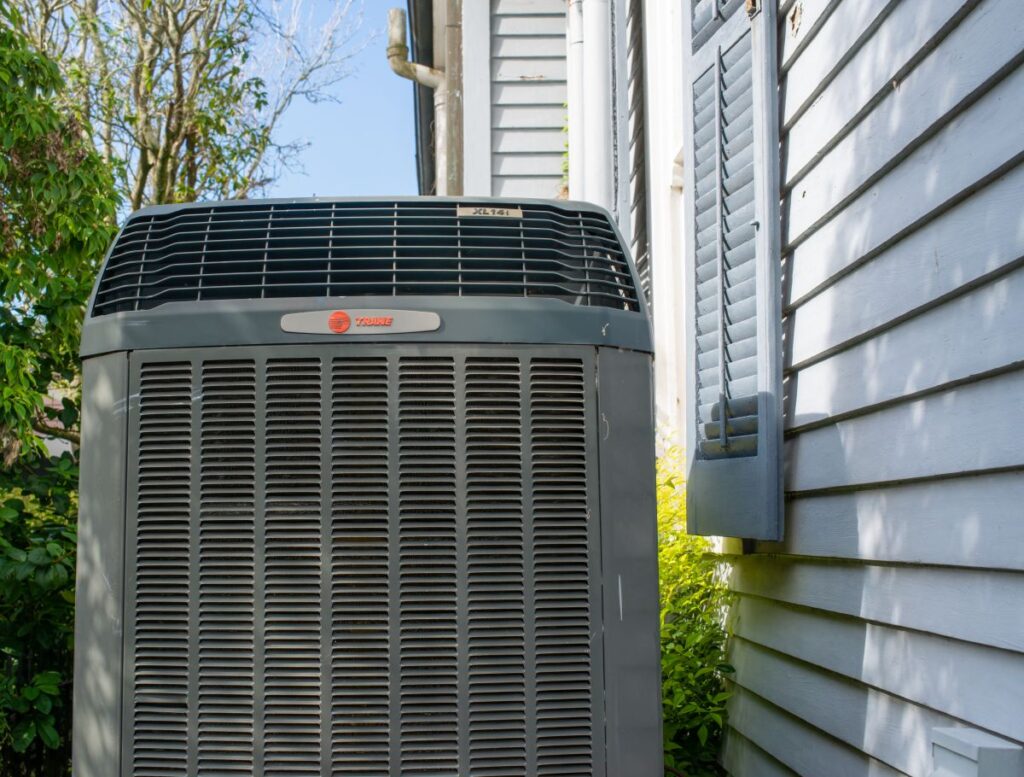
Air conditioners require a significant amount of power, particularly during startup when the compressor engages. If electrical demand exceeds the breaker’s rating, it shuts off power to prevent overheating and potential fire hazards.
In Mount Dora, where cooling systems often run daily for extended hours, prolonged usage increases wear on electrical components. As systems age or airflow becomes restricted, electrical strain can rise gradually until the breaker begins to trip repeatedly.
Resetting the breaker without identifying the cause can lead to more serious and costly damage. A breaker that trips occasionally during extreme heat may signal stress, but a breaker that trips consistently indicates a deeper mechanical or electrical fault.
5 Common Reasons Your AC Breaker Keeps Tripping
Repeated breaker trips typically point to electrical overload or excessive system strain. The following are the most common causes homeowners encounter.
1. Dirty Air Filter Causing Overheating
Restricted airflow is one of the most overlooked causes of breaker trips. When air cannot move freely through the system, internal temperatures increase and motors must work harder to circulate air.
- Airflow restriction: Limits proper cooling and ventilation
- Motor strain: Increases electrical draw
- Preventable issue: Regular filter replacement reduces risk
Over time, overheating can increase amp draw enough to trip the breaker, especially during peak summer demand. Something as simple as a neglected filter can create electrical stress throughout the system.
2. Dirty or Blocked Condenser Coils
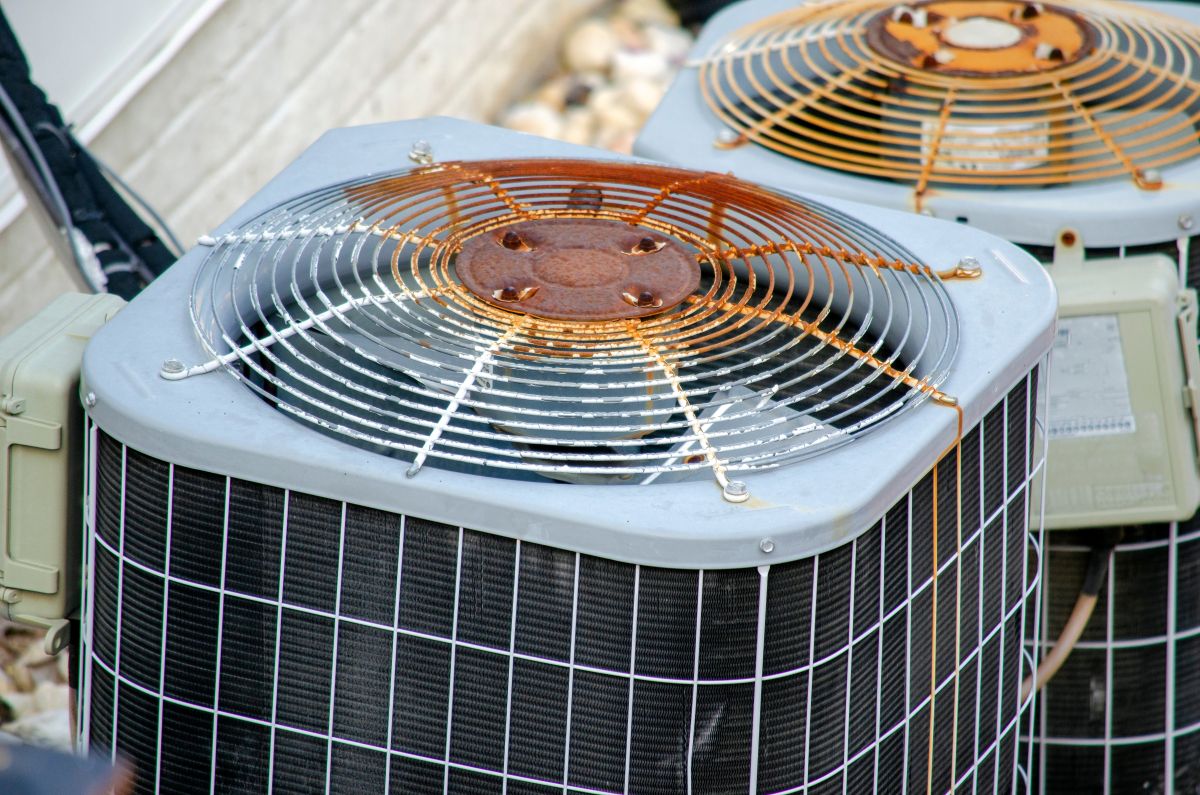
The outdoor condenser unit releases heat absorbed from inside your home. If the coils are covered in dirt, leaves, or debris, heat transfer becomes inefficient.
- Heat buildup: System runs hotter than designed
- Extended runtime: Cooling cycles last longer
- Increased electrical load: Greater amp demand
Poor heat release forces the compressor to work harder, which may trigger the breaker under heavy usage. Regular outdoor unit cleaning is especially important in areas with pollen, dust, or storm debris.
3. Low Refrigerant Levels
Refrigerant is responsible for absorbing and transferring heat. When levels drop due to a leak, the compressor must work longer and harder to achieve the desired temperature.
- Continuous operation: System struggles to reach set point
- Compressor strain: Higher electrical demand
- Leak detection required: Professional repair needed
Low refrigerant not only affects cooling but can significantly increase stress on electrical components. Ignoring refrigerant leaks can eventually lead to compressor damage.
4. Faulty Capacitor or Electrical Component
Capacitors help the compressor and fan motors start efficiently. When a capacitor weakens, the system may struggle to start, drawing excessive power in the process.
- Hard starts: Breaker trips during startup
- Clicking sounds: Indicate electrical difficulty
- Aging components: More common in older systems
Electrical parts naturally wear over time, and failing components can easily trigger breaker trips. Replacing a worn capacitor is often far less expensive than replacing a compressor.
5. Failing Compressor
The compressor is one of the most power intensive components in your air conditioning system. If it begins to fail internally, it may draw more amperage than the breaker can safely support.
- Repeated trips at startup: Compressor struggles to engage
- Warm air from vents: Ineffective heat transfer
- Older equipment: Higher risk of internal wear
Compressor issues often require professional evaluation and may lead to major repair or replacement decisions. If the system is nearing the end of its lifespan, replacement may provide better long term reliability.
What Homeowners Can Safely Check
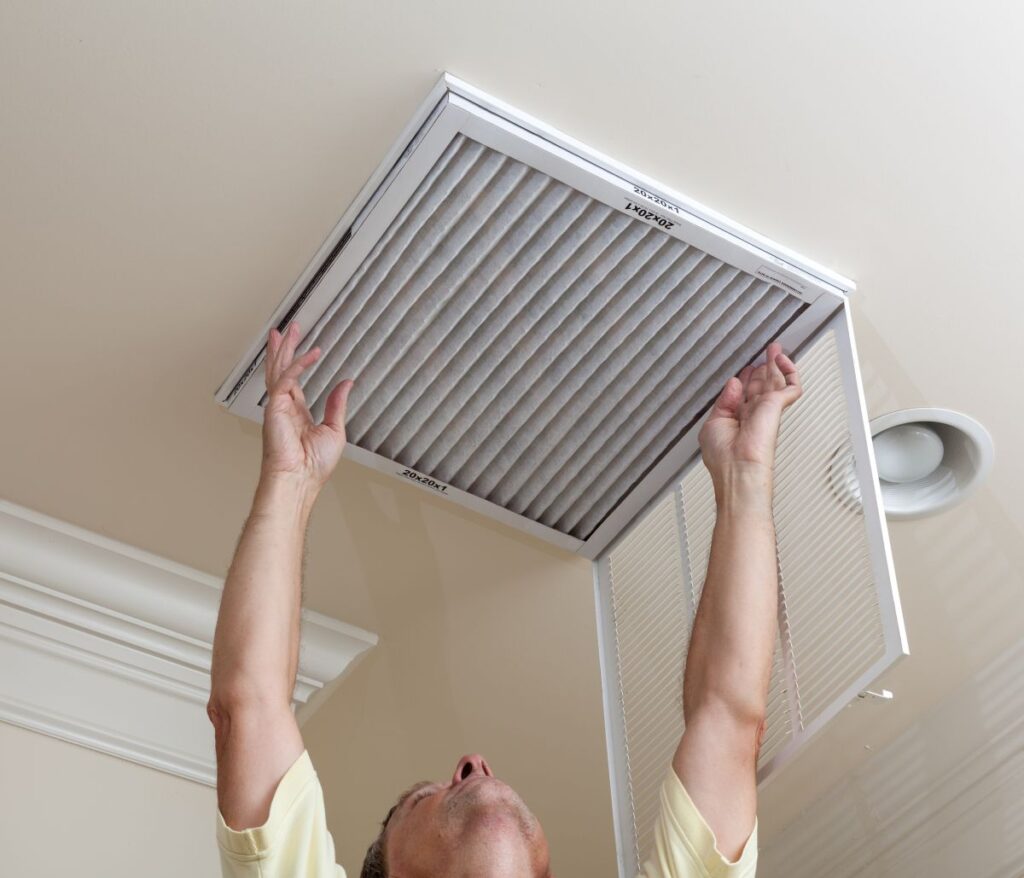
Before calling for service, there are a few simple steps you can take safely. These checks may resolve minor airflow related problems.
Inspect and Replace the Air Filter
A clogged filter is quick to identify and inexpensive to fix. If it appears dusty or blocked, replace it and monitor system performance. Improved airflow may immediately reduce system strain.
Clear Debris Around the Outdoor Unit
Ensure there is at least two feet of clearance around the condenser. Remove leaves, grass clippings, and visible obstructions. Proper airflow around the unit supports safe heat release.
Reset the Breaker Once
If the breaker trips again immediately after resetting, stop attempting to reset it. Repeated trips indicate a deeper electrical issue that requires professional attention. Continuing to reset the breaker can damage wiring or internal components.
When to Repair vs Replace
If your AC breaker keeps tripping and the unit is relatively new, repairing a capacitor, cleaning coils, or correcting airflow issues is often sufficient. Many breaker related problems are isolated and manageable when addressed early.
However, if the system is older and experiencing repeated compressor failure or major electrical problems, replacement may be the more cost effective long term solution. Ongoing breaker trips can signal declining reliability and increased strain on aging components.
A professional inspection can help determine whether repair will restore dependable performance or whether upgrading the system makes better financial sense.
Preventing Future Breaker Trips
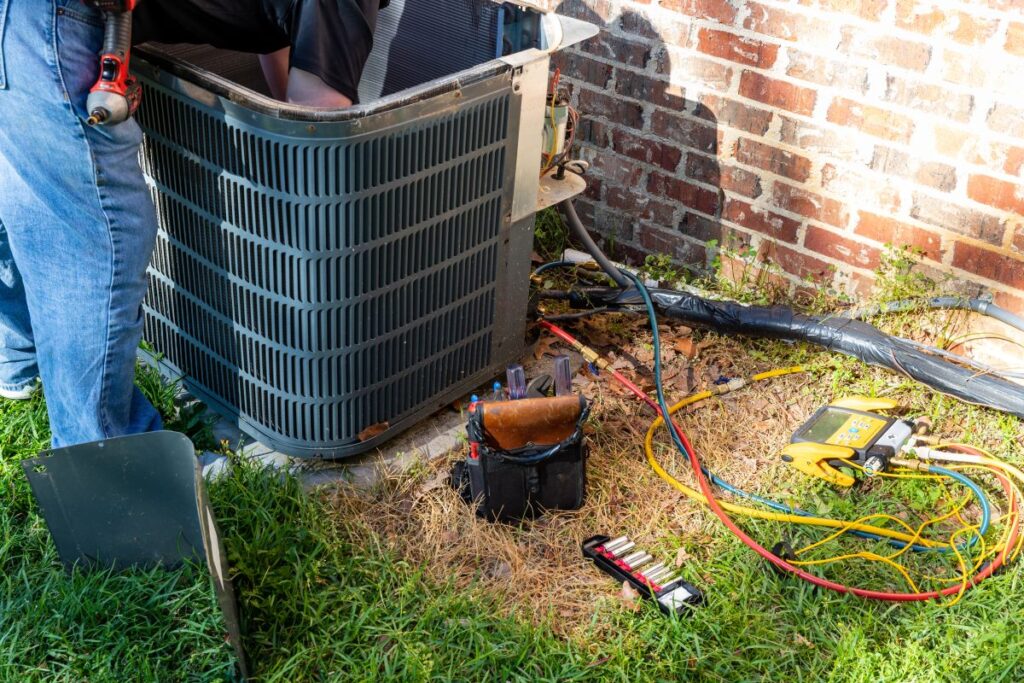
Routine maintenance significantly reduces the risk of electrical overload and overheating.
- Annual inspections: Identify worn electrical parts
- Coil cleaning: Improve heat transfer efficiency
- Filter changes: Maintain steady airflow
- Electrical testing: Verify safe amp draw
Preventive service ensures your cooling system operates within safe electrical limits, even during peak demand months.
Local Cooling Considerations in Central Florida
Homes in Mount Dora face long cooling seasons and frequent high temperatures. Extended runtime increases electrical demand and accelerates component wear.
- Heavy summer use: Raises compressor strain
- Storm activity: Can impact electrical systems
- Humidity levels: Increase cooling workload
We’re proud to serve home and business owners in Mount Dora, FL, and nearby communities with AC repair and electrical diagnostics.
Restore Safe Cooling With Bob’s Air Conditioning & Refrigeration
Bob’s Air Conditioning & Refrigeration provides professional diagnostics for breaker trips and electrical cooling issues. Our technicians inspect wiring, capacitors, compressors, and airflow conditions to determine the cause safely and accurately.
If your AC breaker keeps tripping, contact Bob’s Air Conditioning & Refrigeration today to schedule service and restore safe, reliable cooling to your home.
Call us today!