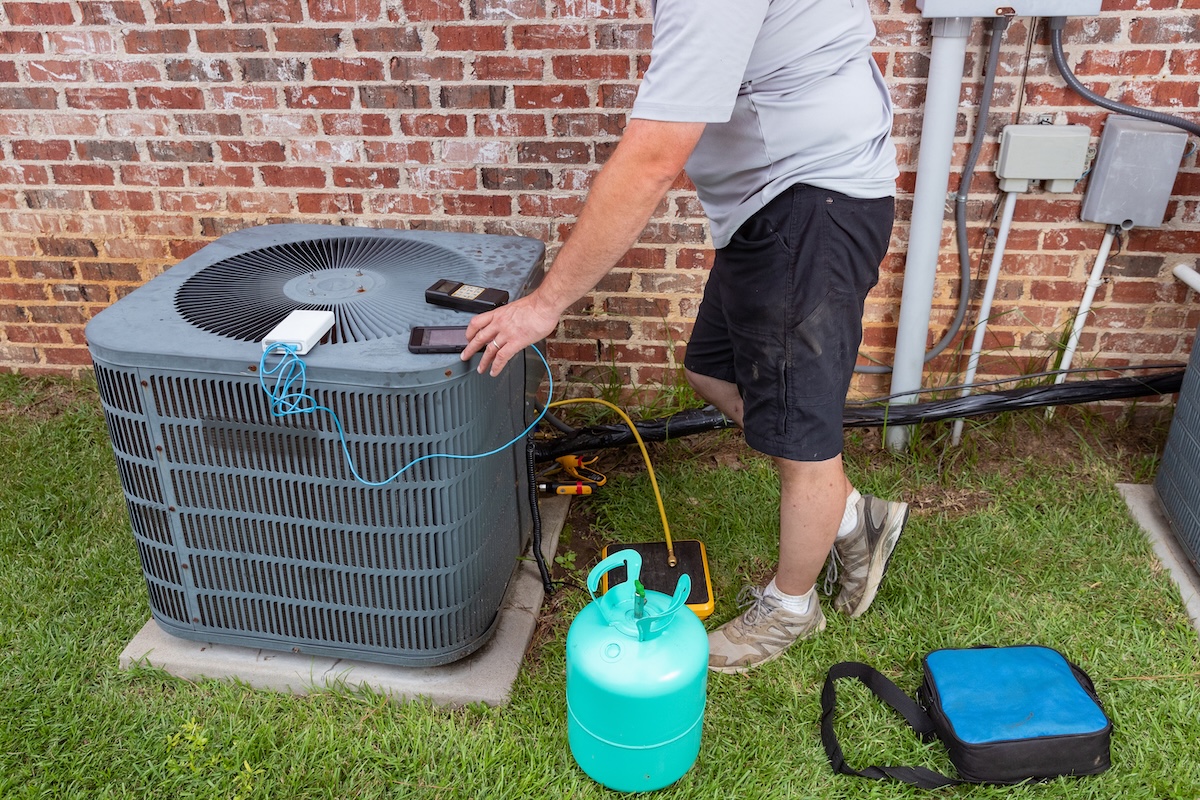
What Is AC Refrigerant? (Everything You Need To Know)
Understanding ac refrigerant is essential for anyone looking to maintain or improve their air conditioning system’s performance. This key component plays a vital role in cooling your environment efficiently and safely. Whether you are a homeowner curious about how your system works or a professional seeking detailed information, knowing about AC refrigerants can ensure optimal cooling and energy efficiency. For those interested in professional air conditioning services, learning about refrigerants naturally complements the expertise offered in air conditioning services.
- Definition: What AC refrigerant is and its function in cooling systems.
- Types: Different refrigerants, including popular and environmentally friendly options.
- Maintenance: How refrigerant levels impact system performance and signs of leaks.
- Regulations: Environmental considerations and legal requirements surrounding refrigerants.
- Replacement: What to expect when recharging or replacing refrigerants in your system.
Why Understanding AC Refrigerant Matters
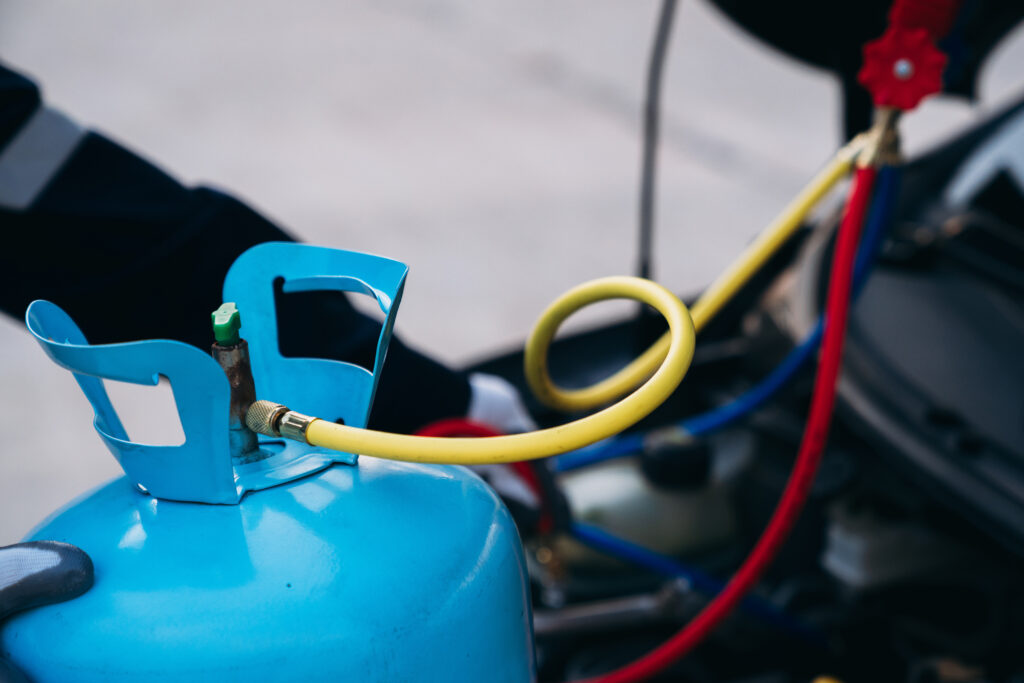
AC refrigerant is the lifeblood of modern air conditioning systems and knowing its importance helps you appreciate how cooling technology works. It facilitates heat exchange, making the air in your home or office comfortable during hot weather. Without the proper type and amount of refrigerant, the AC system can fail to cool efficiently, or worse, incur costly damage.
- Heat Transfer Medium: Refrigerants absorb heat from indoors and release it outside, enabling cooling.
- Energy Efficiency: Proper refrigerant levels optimize system efficiency and reduce electricity costs.
- Environmental Impact: Certain refrigerants contribute to greenhouse gas emissions, highlighting the need for eco-friendly options.
- System Longevity: Incorrect refrigerant handling can damage components and shorten AC lifespan.
- Health and Safety: Handling refrigerants improperly can be hazardous due to toxicity and pressure factors.
7 Key Facts About AC Refrigerants
To fully grasp how AC refrigerants influence your cooling system, it’s helpful to explore some important facts about their types, usage, and maintenance. Below are seven essential points that shed light on the role of refrigerants in air conditioning.
1. What Is AC Refrigerant Exactly?
AC refrigerant is a chemical compound that cycles through the HVAC system to absorb and discharge heat. It continuously changes states between liquid and gas, facilitating heat transfer.
- Function: Transfers heat from the indoor environment to the outside air.
- Cycle: Compression, condensation, expansion, and evaporation stages enable cooling.
2. Common Types of AC Refrigerants
The most widely used refrigerants have evolved over time due to environmental concerns and efficiency improvements.
- R-22: An older refrigerant phased out due to ozone depletion effects.
- R-410A: A popular modern refrigerant known for its efficiency and lower environmental impact.
- R-32 & R-454B: Emerging options with even lower global warming potential.
3. Signs Your AC Refrigerant Might Be Low
Detecting refrigerant issues early can save you from expensive repairs or complete system failure.
- Reduced Cooling: Inconsistent or inadequate cooling performance.
- Ice Formation: Frost or ice on the evaporator coil or refrigerant lines.
- Hissing Sounds: Potential signs of leaks in the system.
4. The Environmental Impact of Refrigerants
Many traditional refrigerants have harmful effects on the environment, prompting changes in industry regulations worldwide.
- Ozone Depletion: Certain older refrigerants damage the ozone layer.
- Global Warming Potential (GWP): Modern refrigerants aim for lower GWP to reduce climate impact.
5. Handling and Safety Considerations
Refrigerants are subject to strict handling guidelines due to their chemical nature.
- Professional Service: Certified technicians are required to service refrigerants safely.
- Leak Detection: Specialized tools detect leaks to avoid environmental release.
6. Refrigerant Recharging Explained
Recharging the AC system with refrigerant restores its cooling efficiency.
- Diagnosis: Proper assessment prevents overcharging or undercharging.
- Equipment: Use of gauges and electronic leak detectors ensures accuracy.
7. Future Trends in AC Refrigerants
Innovation is ongoing to find refrigerants that combine performance with environmental responsibility.
- Natural Refrigerants: Substances like CO2 are gaining traction as eco-friendly options.
- Regulatory Changes: Anticipate new standards focused on sustainability.
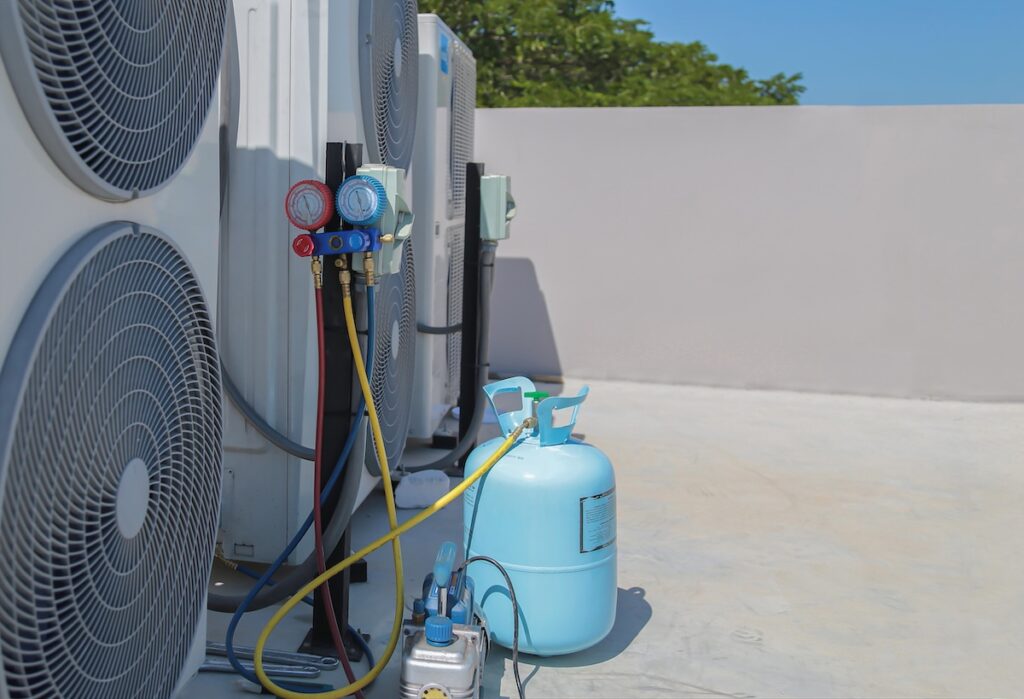
How AC Refrigerants Work Within Air Conditioning Systems
The operation of AC refrigerants involves a complex but understandable process that enables your system to cool indoor spaces effectively. This section breaks down the basic functions and components involved with refrigerants inside your air conditioner.
Evaporation Phase
The evaporator coil inside the AC unit absorbs heat from the indoor air as the refrigerant evaporates from a liquid to a gas, resulting in cool air blowing into your rooms.
Compression Phase
The refrigerant gas is compressed by the compressor, increasing its pressure and temperature, which prepares it for releasing the absorbed heat outside.
Condensation Phase
At the condenser coil outside, the high-pressure refrigerant releases heat as it condenses back into a liquid, allowing the cycle to restart.
- Closed Loop System: Refrigerant continuously circulates through this cycle enabling efficient cooling.
- Pressure and Temperature Changes: These state changes are essential for heat transfer within the system.
Common Questions About AC Refrigerants
Understanding AC refrigerants raises many questions among homeowners and professionals alike. Below, we address frequently asked questions to further clarify the subject.
| What happens if my AC refrigerant runs out? | Without refrigerant, your AC cannot absorb heat, causing no cooling. Running the system low also stresses components and risks damage. |
| Can I add refrigerant myself? | Refrigerant handling requires certification; DIY attempts can be unsafe and illegal in many areas. |
| How often should refrigerant be checked? | Technicians typically check refrigerant levels annually during routine maintenance. |
| Why is my AC leaking refrigerant? | Leaks often occur due to deteriorated seals, corrosion, or physical damage and require professional repair. |
| Are all refrigerants the same? | No, different refrigerants have varied chemical properties, efficiency levels, and environmental impacts. |
Taking Care of Your Air Conditioning System
Proper maintenance and understanding of your AC refrigerant can lead to long-lasting system efficiency and comfort. Here are several strategies to ensure your system’s refrigerant and overall health remain in top condition.
- Schedule Regular Maintenance: Annual professional check-ups help detect leaks and low refrigerant early.
- Address Leaks Promptly: Timely repairs prevent refrigerant loss and expensive damage.
- Upgrade Equipment: Consider systems compatible with environmentally friendly refrigerants.
- Monitor Energy Usage: Unusual spikes in power bills may signal refrigerant or system issues.
Staying Cool with Confidence
Knowing the ins and outs of ac refrigerant empowers you to keep your air conditioning system running smoothly and efficiently. Proper refrigerant management not only enhances cooling performance but also supports environmentally responsible practices. For expert advice or service related to your AC system’s refrigerant, Bob’s AC is ready to assist you. Please contact us today to schedule a consultation or service appointment and ensure your system operates at its best.
Ultimate Comfort Awaits