

AC Running But Not Cooling House: 7 Causes to Check in 2026
When your ac running but not cooling house becomes a reality, it can be frustrating, especially during peak summer heat. You may hear the system operating and feel air coming from the vents, but the temperature inside continues to climb.
- Why an air conditioner can run without lowering temperature
- Common airflow, refrigerant, and electrical issues
- What homeowners can safely check first
- When professional AC repair is necessary
Understanding the difference between a system that is running and one that is cooling properly is the first step toward restoring comfort.
Why Is Your AC Running but Not Cooling?
Your air conditioner removes heat from inside your home and transfers it outdoors. If airflow is restricted, refrigerant levels are low, or internal components are not functioning correctly, the system may continue operating without effectively cooling the air.
In Mount Dora, long cooling seasons mean air conditioners often run for extended periods. That continuous demand increases wear on components, making small issues more noticeable during high temperature days. When cooling performance drops, it is important to identify the cause quickly to avoid further strain on the system.
7 Causes to Check When Your AC Is Running but Not Cooling
Air conditioners rely on proper airflow, refrigerant circulation, and electrical control to function efficiently. If your system is not cooling, one of the following issues is often responsible.
1. Dirty Air Filter
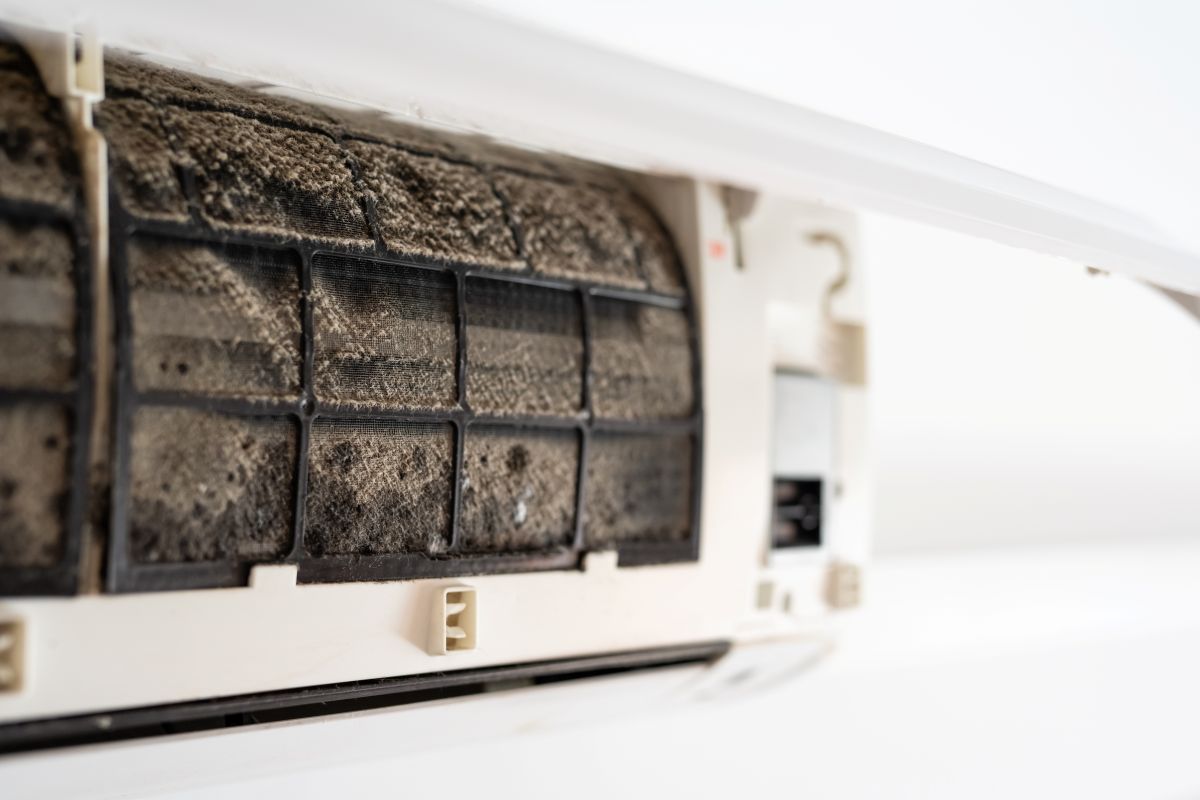
A clogged air filter is one of the most common reasons for reduced cooling. When airflow is restricted, the system cannot circulate conditioned air effectively.
- Restricted airflow: Limits air movement through the system
- Reduced cooling capacity: Less cold air reaches living spaces
- Increased strain: System works harder and longer
Even a moderately dirty filter can reduce efficiency and contribute to temperature imbalance.
2. Thermostat Settings or Malfunction
Sometimes the issue is not mechanical but related to control settings. Incorrect thermostat adjustments can prevent proper cooling.
- Incorrect mode: Cooling mode may not be selected
- Temperature setting: Set point may be too high
- Sensor issues: Faulty readings disrupt operation
Ensuring the thermostat is set correctly is a simple but important first step.
3. Low Refrigerant Levels
Refrigerant absorbs and transfers heat during the cooling cycle. If levels drop due to a leak, the system loses its ability to cool efficiently.
- Warm air from vents: Heat is not being removed
- Longer run times: System runs continuously
- Ice buildup: May appear on refrigerant lines
Low refrigerant requires professional repair and leak detection to restore proper operation.
4. Dirty or Blocked Condenser Unit
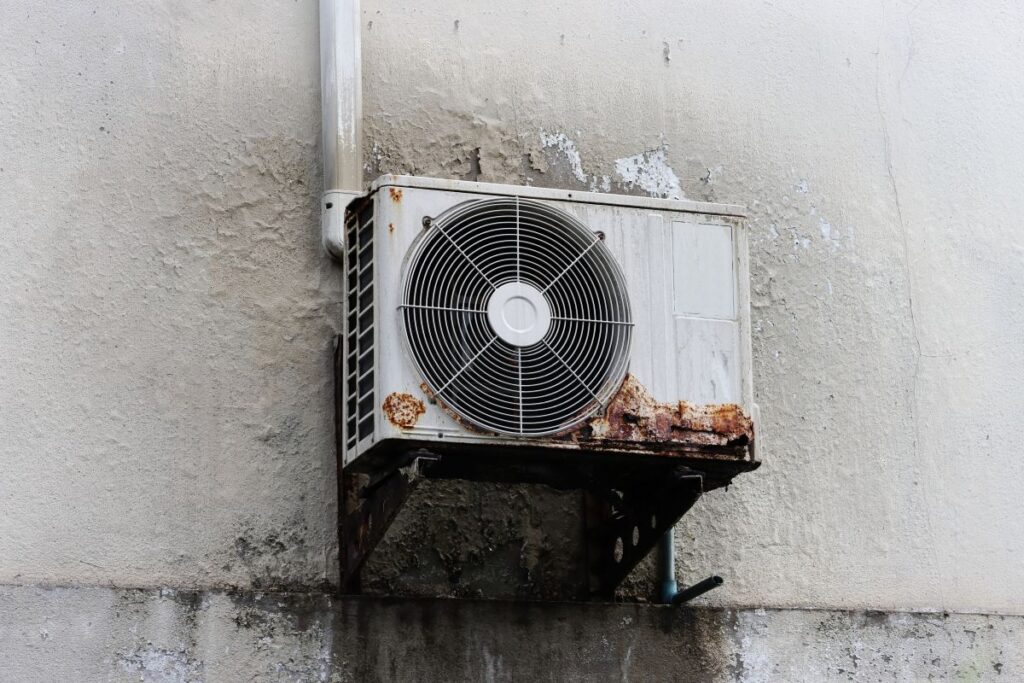
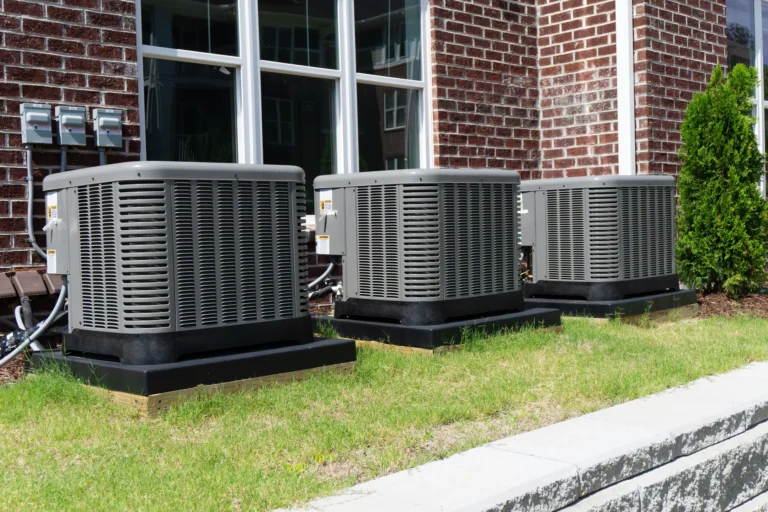
The outdoor condenser unit must release heat effectively. If airflow is blocked by debris or dirt buildup, the system cannot complete the cooling cycle properly.
- Debris accumulation: Leaves and grass restrict airflow
- Overheated components: Reduce system efficiency
- Reduced heat transfer: Cooling performance declines
Keeping the outdoor unit clear of obstructions supports proper heat release.
5. Frozen Evaporator Coil
If airflow is restricted or refrigerant is low, the indoor evaporator coil may freeze. When this happens, the system cannot absorb heat effectively.
- Ice formation: Visible frost on indoor components
- Cooling interruption: System struggles to cool air
- Water leakage: Ice melts when system shuts off
Turning the system off to allow thawing may provide temporary relief, but the underlying issue must be addressed.
6. Ductwork Leaks or Airflow Problems
Even if your AC is producing cold air, it may not reach your living spaces if ductwork is leaking or poorly sealed.
- Air loss in attic or walls: Reduces delivered cooling
- Uneven room temperatures: Some areas feel warmer
- Higher energy usage: System runs longer to compensate
Duct sealing and inspection can significantly improve cooling efficiency.
7. Compressor Problems
The compressor is responsible for circulating refrigerant through the system. If it fails or struggles to start, the AC may run without effective cooling.
- Clicking sounds: Indicate startup issues
- Warm airflow: No effective heat transfer
- Older system age: Higher risk of compressor wear
You may also wonder whether it makes more sense to repair or replace the unit, especially if cooling problems are frequent. In general, newer systems with isolated issues are often good repair candidates, while older systems experiencing repeated breakdowns or compressor failure may be better long term replacement investments.
Quick Troubleshooting Steps Homeowners Can Take
Before scheduling service, homeowners can perform a few safe checks to rule out simple causes. These steps may resolve minor issues quickly.
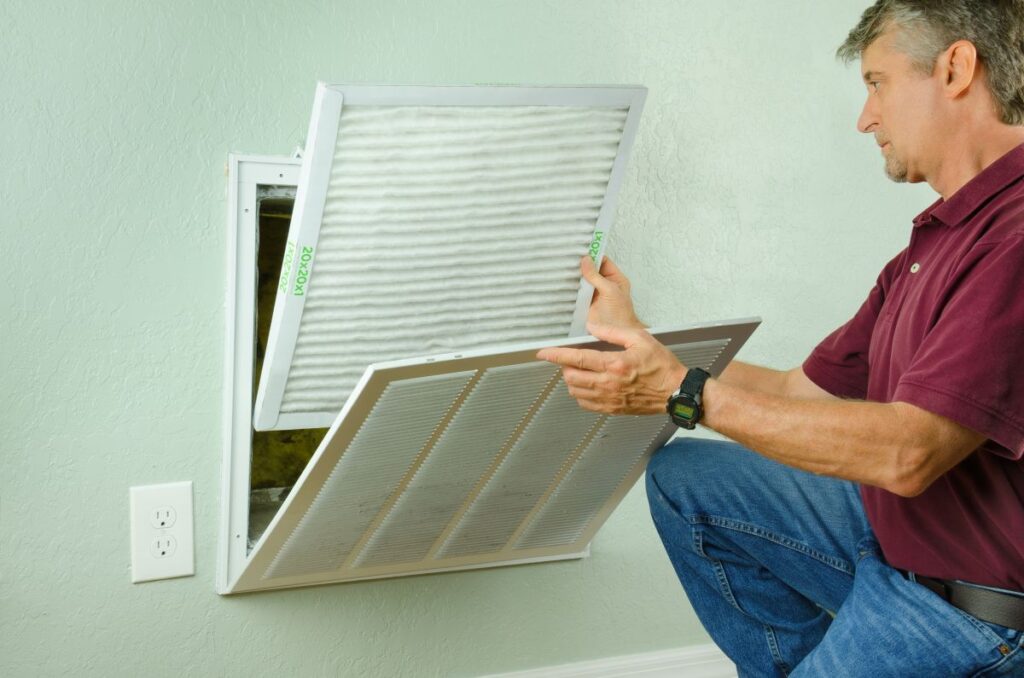
Check the Air Filter
Inspect the filter for heavy dust buildup and replace it if needed. A clean filter restores airflow and may improve cooling immediately.
Inspect the Thermostat
Verify that cooling mode is selected and that the temperature setting is below the current room temperature. Replace batteries if needed.
Examine the Outdoor Unit
Make sure the condenser unit has at least two feet of clearance around it. Remove leaves, debris, and visible obstructions.
How Humidity Affects Cooling Performance
In Central Florida, humidity plays a major role in indoor comfort. Even if your AC is running, high indoor humidity can make your home feel warmer than the thermostat reading suggests.
When humidity levels rise:
- Air feels heavier: Comfort decreases even at lower temperatures
- System works longer: Attempts to remove excess moisture
- Cooling efficiency drops: Heat removal becomes less effective
Proper system sizing and maintenance help manage both temperature and humidity levels.
AC Running vs Proper Cooling Performance
Understanding what normal cooling should look like can help identify performance issues early.
| Condition | Normal Operation | Cooling Problem |
| Airflow from vents | Strong and steady | Weak or inconsistent |
| Indoor temperature | Gradually decreases | Stays the same or rises |
| System runtime | Cycles on and off | Runs continuously |
| Humidity level | Controlled and comfortable | Feels sticky or damp |
If your system matches the cooling problem column, it is time for inspection.
Preventing Future Cooling Problems
Routine maintenance significantly reduces the risk of your AC running without cooling effectively.
- Replace air filters regularly: Maintain steady airflow
- Schedule annual inspections: Catch small issues early
- Keep coils clean: Improve heat transfer
- Monitor refrigerant levels: Ensure proper operation
Preventive care is especially important in Mount Dora, where extended cooling seasons increase wear on equipment.
Local Cooling Considerations in Central Florida
Homes in Mount Dora experience long periods of high temperatures and humidity. Air conditioners often run daily for extended hours during summer.
- Extended runtime: Increases component wear
- High humidity: Adds extra system demand
- Storm debris: Can obstruct outdoor units
We’re proud to serve home and business owners in Mount Dora, FL, and nearby communities with AC repair and cooling support.
Restore Comfort With Bob’s Air Conditioning & Refrigeration
Bob’s Air Conditioning & Refrigeration helps homeowners diagnose and resolve cooling problems quickly and professionally. Our experienced technicians inspect airflow, refrigerant levels, electrical components, and compressors to determine why your AC is running but not cooling.
If your system is not keeping up with the Florida heat, contact Bob’s Air Conditioning & Refrigeration today to schedule service and restore reliable indoor comfort.
Call us today!