Best AC Temperature for Energy Savings (Expert Tips)
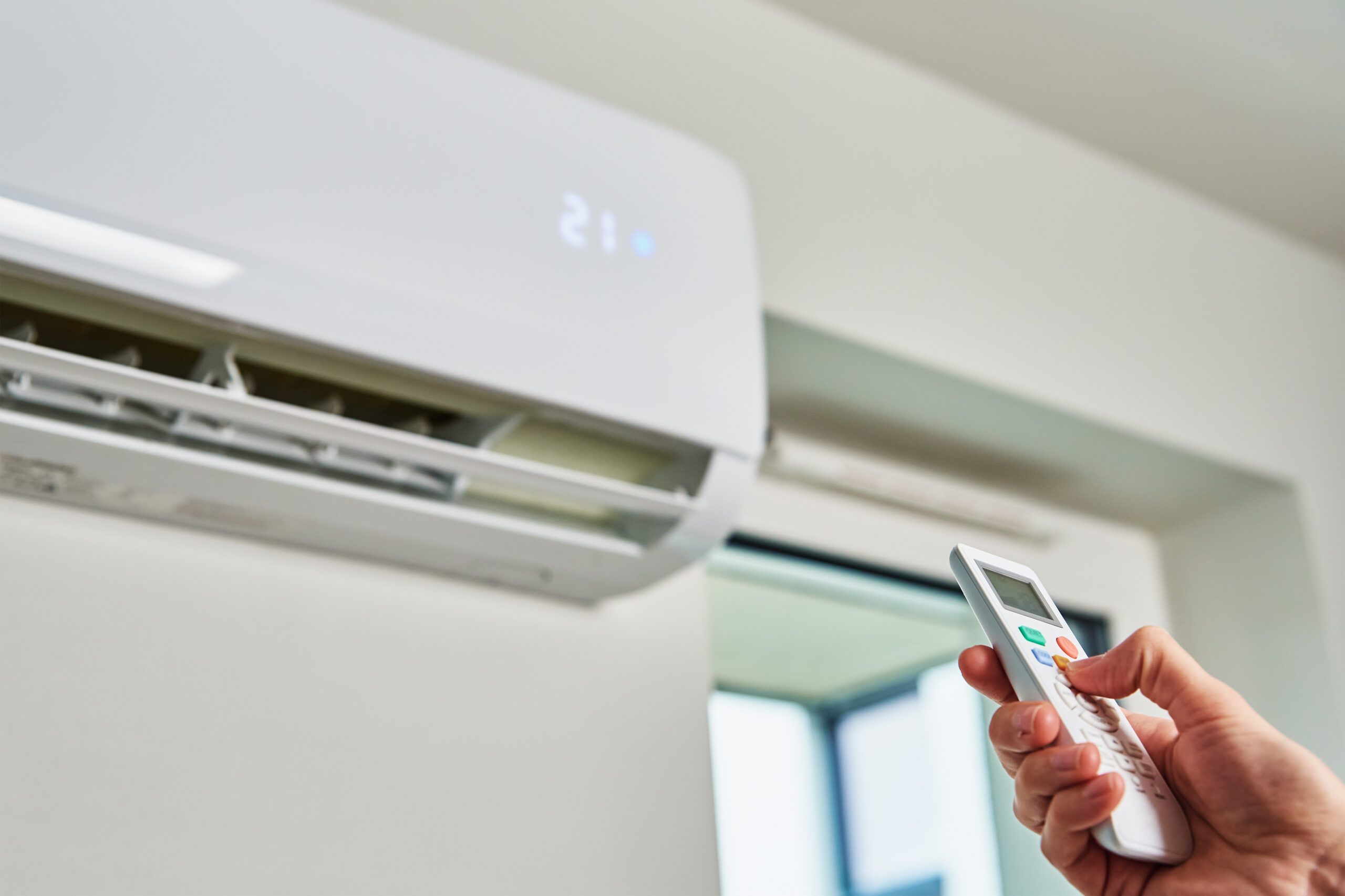
Finding the best ac temperature for energy saving is one of the easiest ways homeowners can reduce cooling costs without sacrificing comfort. In warm climates like central Florida, small thermostat adjustments can make a noticeable difference in monthly energy bills while helping your AC system run more efficiently.
- How thermostat settings affect energy use
- Recommended temperatures for day, night, and when away
- Comfort tips that support efficiency without constant adjustments
- Common mistakes that increase cooling costs
Understanding how temperature choices impact performance helps homeowners stay comfortable while avoiding unnecessary energy waste.
Why AC Temperature Settings Matter for Energy Savings
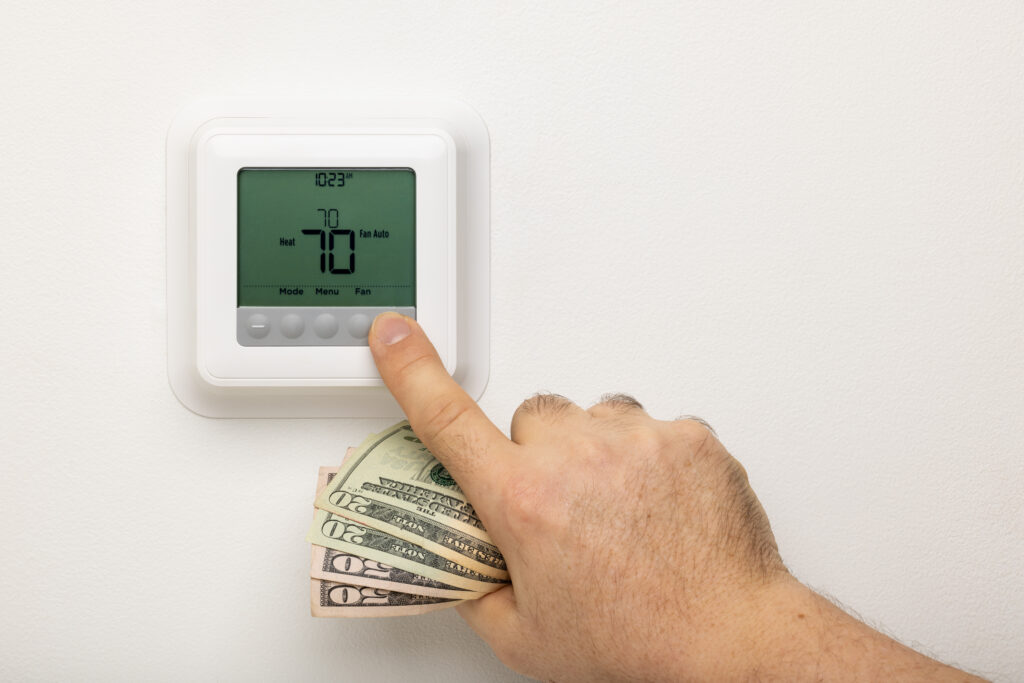
Your air conditioning system works harder the lower you set the thermostat. Each degree below the recommended range increases run time, energy consumption, and system wear.
In Mount Dora, where long cooling seasons are common, AC systems often run for extended hours. Using efficient temperature settings helps balance comfort with reduced strain on equipment and lower utility costs.
What Is the Best AC Temperature for Energy Savings?
Most energy experts agree that setting your thermostat higher than many homeowners expect can still feel comfortable while saving energy. The key is consistency and understanding how your home responds to temperature changes.
According to the U.S. Department of Energy, setting your thermostat to 78°F when you are home and need cooling can significantly reduce energy use compared to lower settings. This recommendation is widely used as a baseline for balancing comfort and efficiency.
7 Smart Thermostat Tips to Save Energy
The following strategies help homeowners reduce energy use while keeping indoor temperatures comfortable. Each tip focuses on small adjustments that add up to meaningful savings over time.
1. Set the Thermostat to 78°F When Home
Setting your thermostat to 78°F while you are home provides a practical balance between comfort and efficiency for most households. This temperature allows your AC system to cool effectively without running longer than necessary.
- Reduced energy use: Higher settings require less cooling output
- Steady comfort: Helps avoid temperature swings throughout the day
- Lower system strain: Supports longer equipment life
2. Increase the Temperature When Away
Raising the thermostat when no one is home prevents your AC from cooling empty spaces. This simple adjustment reduces run time and helps control energy costs during work hours or vacations.
- Recommended range: 85°F to 88°F during extended absences
- Lower energy demand: Limits unnecessary cooling cycles
- Reduced wear: Helps protect system components
3. Adjust Settings Gradually
Large temperature changes force your AC system to work harder than needed. Gradual adjustments allow your home and system to adapt more efficiently.
- Small changes: One to two degrees at a time
- Stable operation: Prevents frequent on and off cycling
- Improved comfort: Reduces sudden temperature shifts
4. Use Programmable or Smart Thermostats
Programmable and smart thermostats help automate energy saving settings. These tools reduce the need for constant manual adjustments while keeping temperatures consistent.
- Scheduled changes: Automatically adjust temperatures throughout the day
- Usage insights: Track patterns that affect energy use
- Consistent efficiency: Supports long term savings
5. Account for Humidity Levels
Humidity plays a major role in how warm your home feels. Managing moisture allows higher thermostat settings to remain comfortable, especially in Florida’s climate.
- Improved comfort: Reduces the need to overcool
- Balanced indoor conditions: Helps maintain consistent temperatures
- Efficiency support: Limits excessive AC run time
6. Avoid Constant Manual Changes
Frequently adjusting the thermostat can make your AC system less efficient. Consistency allows the system to operate as designed.
- Reduced short cycling: Prevents unnecessary starts and stops
- More stable temperatures: Keeps comfort levels consistent
- Lower energy use: Avoids extra workload on the system
7. Pair Temperature Settings With Maintenance
Energy saving thermostat settings work best when your AC system is properly maintained. Dirty filters, restricted airflow, or worn components can prevent the system from reaching set temperatures efficiently. Routine maintenance ensures your AC responds accurately and cools your home with less effort.
- Clean filters: Support proper airflow and temperature control
- System inspections: Identify issues that affect efficiency
- Optimized performance: Helps the system cool faster and cycle correctly

Daytime vs Nighttime AC Temperature Settings
The best AC temperature can vary depending on the time of day. Many homeowners prefer cooler temperatures at night, but this should be balanced carefully.
At night, slightly lowering the thermostat can improve sleep comfort. However, dropping it too far increases energy use. Using ceiling fans or breathable bedding can help maintain comfort without lowering the temperature excessively.
How Home Insulation Affects Temperature Efficiency
Your home’s insulation plays a major role in how effective your thermostat settings are. Poor insulation allows cooled air to escape, forcing your AC system to run longer.
Well insulated homes hold cool air more effectively, making higher thermostat settings feel more comfortable. Sealing gaps, improving attic insulation, and shading windows all support better temperature control and energy savings.
Common AC Temperature Mistakes Homeowners Make
Many homeowners unintentionally increase cooling costs through everyday habits.
- Setting the thermostat too low: Does not cool the home faster
- Turning the AC off completely: Can cause longer run times later
- Ignoring airflow issues: Leads to uneven temperatures
- Blocking vents: Reduces cooling efficiency
Avoiding these mistakes helps maintain steady comfort and consistent savings.
Local Climate Considerations in Central Florida
Homes in Mount Dora face long cooling seasons, frequent humidity, and high summer temperatures. These conditions make efficient thermostat settings especially important.
- Extended AC use: Increases energy impact of low settings
- Humidity levels: Affect perceived comfort
- Sun exposure: Can raise indoor temperatures quickly
We’re proud to serve home and business owners in Mount Dora, FL, and nearby communities with cooling solutions and energy saving guidance. Understanding local climate patterns helps homeowners choose temperature settings that work with their environment, not against it.
Trusted Cooling Advice From Bob’s Air Conditioning & Refrigeration
Bob’s Air Conditioning & Refrigeration helps homeowners improve comfort while managing energy costs through expert HVAC service and honest guidance. Our team understands how thermostat settings, system condition, and local climate work together to impact performance.
If you want help optimizing your AC system, improving efficiency, or making sure your equipment is set up for long term savings, Bob’s Air Conditioning & Refrigeration is here to help. Contact us today to schedule a consultation and keep your home comfortable without overpaying on energy bills.
Ultimate Comfort Awaits