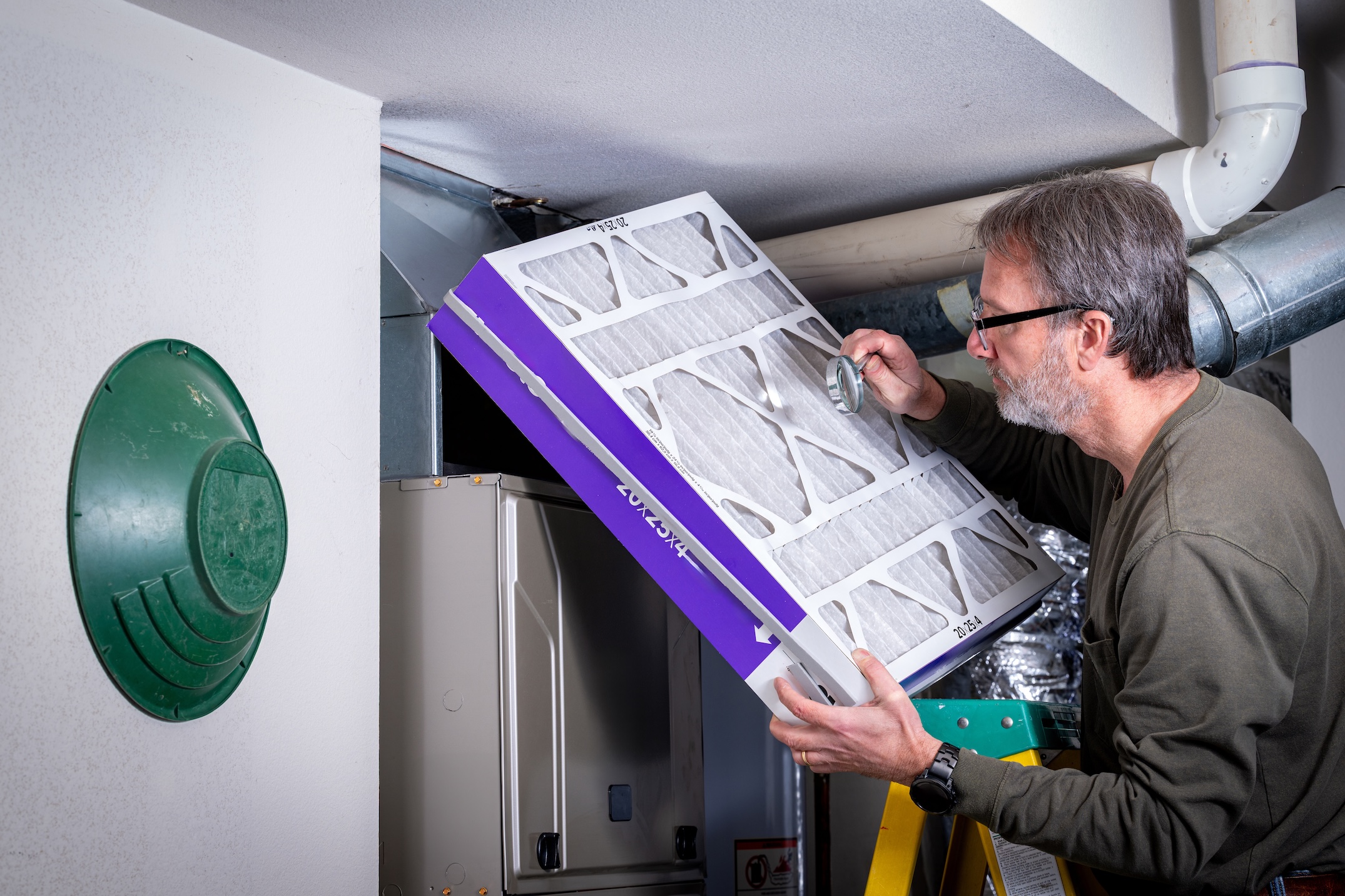
How To Choose The Best Furnace Filters?
When it comes to maintaining a healthy and efficient home heating system, selecting the best furnace filters is essential. These filters not only protect your furnace from dust and debris but also improve indoor air quality, making your living environment safer and more comfortable. If you want to enhance your furnace’s performance and safeguard your family’s health, understanding how to select the right filter is the first step. For expert assistance in furnace maintenance and filter selection, you can explore professional services related to furnace care and replacement.
- Understand the types of furnace filters available and their benefits
- Learn the key features to look for in a high-quality furnace filter
- Discover how filter ratings impact air quality and system efficiency
- Explore tips for maintaining and replacing furnace filters for optimal performance
Why Choosing the Right Furnace Filter Matters
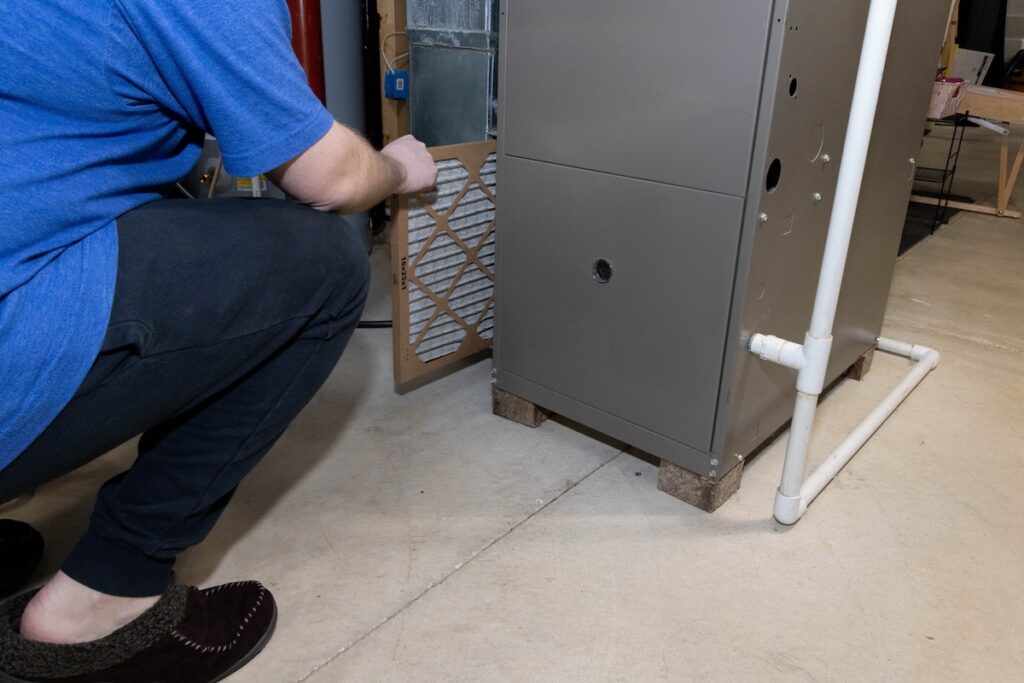
Selecting the right furnace filter isn’t just about keeping your HVAC system clean; it significantly impacts energy efficiency and air quality. Filters trap airborne particles such as dust, pollen, and pet dander, which can reduce allergens and respiratory irritants indoors. Additionally, a properly chosen filter helps extend the life of your furnace by preventing dust build-up on sensitive furnace components. Understanding what to look for in furnace filters can empower homeowners to make informed decisions that benefit their homes all year round.
- Air Quality Improvement: Reduces allergens and pollutants circulating in your home
- Energy Efficiency: Helps maintain smooth airflow for less energy consumption
- Furnace Longevity: Protects internal parts from dust and dirt buildup
- Cost Savings: Minimizes repairs and lowers electricity bills
- Health Benefits: Supports better respiratory health by filtering harmful particles
5 Essential Steps to Choose the Best Furnace Filters
Choosing the best furnace filters involves understanding various types, sizes, and performance metrics. Here are five crucial factors to consider that will guide you toward the most suitable filter for your furnace system.
1. Know Your Furnace Filter Size
Furnace filters come in many sizes, and using the incorrect size can reduce effectiveness or cause air leaks. Check your furnace’s manual or the existing filter casing to find the recommended dimensions. Filters are typically measured in inches and listed as length × width × thickness. Common sizes include 16×20×1, 20×25×1, and others.
- Label Check: Look at the current filter for dimensions
- Manual Reference: Consult the manufacturer’s guide or website
- Consistency: Replace with the exact size to ensure efficiency
2. Understand Filter Types and Materials
Filter materials impact efficiency and longevity. The primary types are fiberglass, pleated, electrostatic, and HEPA filters, each serving different purposes and offering varied performance.
- Fiberglass Filters: Basic filtration, inexpensive, disposable monthly
- Pleated Filters: More surface area for improved filtration, typically last 3 months
- Electrostatic Filters: Use static electricity to attract particles, washable and reusable
- HEPA Filters: High-efficiency particulate arresting filters for superior removal of allergens and fine particles
3. Check the MERV Rating
The Minimum Efficiency Reporting Value (MERV) rates a filter’s ability to trap particles. MERV ratings range from 1 to 16, with higher values capturing smaller particles more effectively. Homeowners should choose a filter with a rating compatible with their HVAC system’s capabilities.
- MERV 1-4: Basic dust and debris capture, suitable for inexpensive filters
- MERV 5-8: Good for residential use, captures pet dander and mold spores
- MERV 9-12: Better filtration for allergy sufferers, captures finer particles
- MERV 13-16: Hospital-grade filtration, may restrict airflow if not compatible with your system
4. Consider Your Indoor Air Quality Needs
Your choice of filter should align with your household’s air quality requirements. If you have pets, allergies, or respiratory conditions, investing in a filter with a higher MERV rating or HEPA capability can significantly reduce irritants.
- Pets: Opt for filters designed to trap pet dander and hair
- Allergies or Asthma: Use high MERV filters or HEPA-grade filters
- General Use: Standard pleated filters usually suffice for average homes
5. Decide on Maintenance and Replacement Frequency
Filter maintenance impacts both air quality and furnace performance. Some filters require monthly replacement, while others last up to three or six months. Electrostatic filters can be washed and reused, offering long-term savings.
- Disposable Filters: Replace monthly to quarterly depending on usage
- Washable Filters: Clean every 1–3 months and reuse
- Monitor Signs: Check for visible dirt and reduced airflow as cues to replace
Additional Tips for Maintaining Your Furnace Filters

Beyond choosing the right filter, proper care and routine checks are equally important. Consistent maintenance helps preserve filter efficiency and keeps your home comfortable throughout the heating season.
Regular Inspection and Replacement
Set a schedule to inspect your filters at least once a month during high-use periods. Dirty filters restrict airflow and force your furnace to work harder, increasing energy consumption and risk of damage.
Keep Your HVAC Area Clean
Dust and debris can accumulate near your furnace unit, which can quickly clog filters. Regularly clean the area around the HVAC unit to reduce contamination and maintain optimized airflow.
Professional Furnace Tune-Ups
Scheduling annual furnace inspections with a qualified technician can ensure your entire system, including filters, is functioning correctly. Experts can recommend the best filters suitable for your furnace model and indoor air quality needs.
Common Furnace Filter Types Compared
Understanding how different furnace filters perform can clarify which type best suits your home and health requirements. The comparison below highlights critical features of popular filter types.
| Filter Type | Filtration Efficiency | Typical Lifespan | Cost | Maintenance |
| Fiberglass | Low (MERV 1-4) | Monthly Replacement | Low | Disposable |
| Pleated | Moderate (MERV 5-8) | 3 Months | Moderate | Disposable |
| Electrostatic | High (MERV 8-12) | 6 Months (Washable) | Moderate to High | Washable & Reusable |
| HEPA | Very High (MERV 13-16+) | 6-12 Months | High | Disposable |
Frequently Asked Questions About Furnace Filters
Furnace filters play a crucial role in maintaining indoor air quality and keeping your HVAC system running efficiently. These answers help homeowners understand how to choose, maintain, and replace their filters properly.
How often should I change my furnace filter?
The general recommendation is every 1 to 3 months, depending on the filter type and household conditions. Homes with pets or allergy sufferers may require more frequent changes.
Can a furnace filter improve my allergies?
Yes, filters with higher MERV ratings such as pleated or HEPA filters trap smaller allergens and irritants, reducing symptoms for allergy sufferers.
Is a higher MERV rating always better?
Not always. While higher MERV ratings provide better filtration, they can restrict airflow if your furnace is not designed for them. Always check your furnace specifications.
Can I reuse my furnace filter?
Only washable electrostatic filters are designed to be cleaned and reused. Other filters should be replaced to maintain efficiency and air quality.
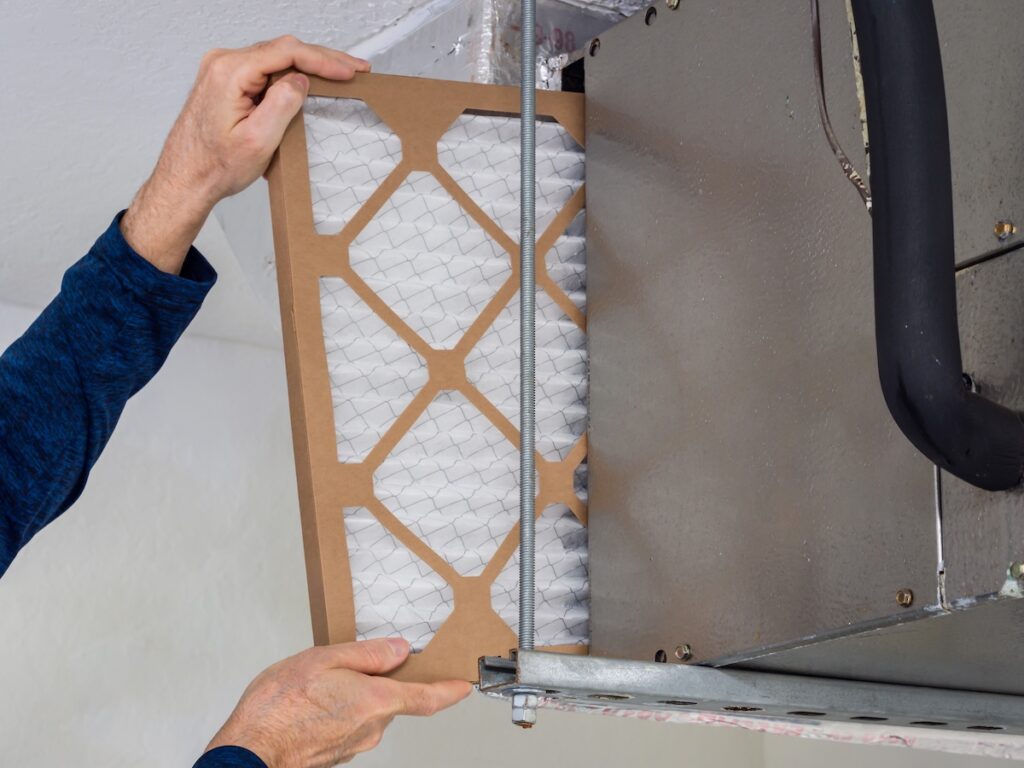
Make the Most of Your Furnace Filter Choice
Choosing the best furnace filters is a pivotal step toward ensuring clean air, energy savings, and improved furnace longevity. By carefully considering filter size, type, MERV rating, and maintenance needs, you can significantly enhance your home’s comfort. For tailored recommendations and professional support in selecting and maintaining furnace filters, Bob’s AC invites you to contact us today and experience expert care in furnace maintenance and air quality solutions.
Ultimate Comfort Awaits