

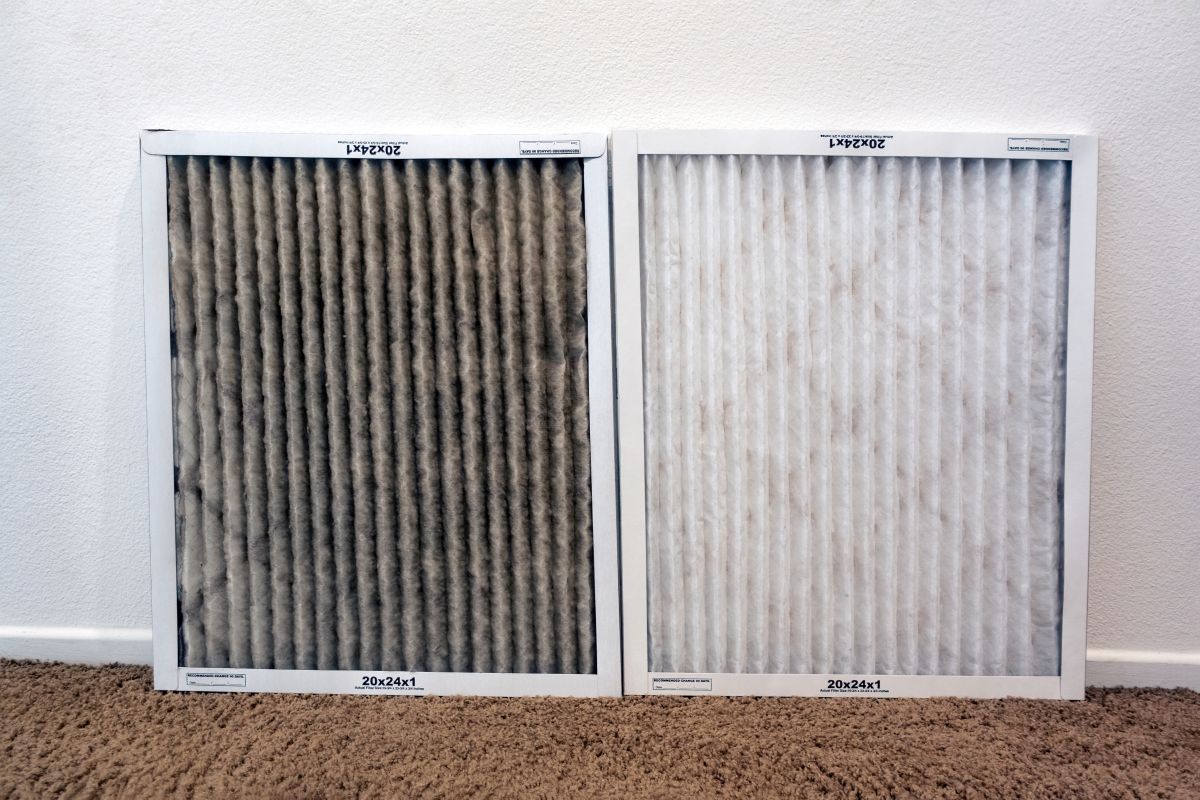
Dirty Air Filter Symptoms: 5 Signs It’s Time to Change It
Noticing dirty air filter symptoms early can prevent airflow problems, rising energy bills, and unnecessary strain on your heating and cooling equipment. A clogged filter restricts proper flow, forcing your system to work harder than necessary to maintain comfort.
- The most common warning signs of a clogged filter
- How dirty filters affect indoor air quality
- Why restricted airflow increases system wear
- When to replace your filter
Recognizing these issues early helps protect both your comfort and your equipment.
Why a Clean Air Filter Matters

Your air filter is one of the key components of your HVAC system. It traps dust, pollen, pet dander, and airborne debris before they circulate through your home.
When filters become clogged, your air conditioner may struggle to function properly. Reduced flow can decrease overall efficiency, slow cooling speed, and contribute to poor indoor air quality. In Mount Dora, where cooling systems run for much of the year, filters collect particles quickly.
5 Dirty Air Filter Symptoms to Watch For
Air filters often show warning signs before they become completely clogged, and recognizing them early can prevent larger problems. Paying attention to small performance changes helps you avoid costly repairs and other issues that can develop from restricted airflow.
If you notice any of the following signs, it may be time to inspect and replace your filter.
1. Weak Airflow From Vents
Restricted airflow is one of the most noticeable dirty air filter symptoms. When the filter is clogged, conditioned air cannot move freely through the duct system.
- Reduced airflow: Less air coming from supply vents
- Uneven cooling: Some rooms feel warmer than others
- System strain: Equipment works harder to maintain speed and circulation
If airflow feels weaker than usual, checking the filter is a simple first step.
2. Rising Energy Bills
A dirty filter forces your air conditioner to run longer cycles to reach the thermostat setting. This extended runtime can decrease efficiency and increase monthly utility bills.
- Longer cooling cycles: System struggles to maintain temperature
- Reduced efficiency: Increased energy consumption
- Avoidable expense: Replacing the filter may lower costs
Monitoring your energy usage helps identify performance changes before they become major factors in higher bills.
3. Increased Dust Inside Your Home
If you notice excessive dust building up on furniture or around vents, your filter may no longer be trapping particles effectively. Once clogged, it can allow debris to circulate freely.
- Dust accumulation: Visible buildup on surfaces
- Clogged filter media: Reduced particle capture
- Air circulation problems: Debris reenters living spaces
Changing your air filter regularly helps reduce dust and improve indoor comfort.
4. Frequent System Cycling or Overheating
Restricted airflow can cause internal temperatures to rise. Safety controls may shut the system down to prevent damage.
- Short cycling: Turns on and off repeatedly
- Overheating risk: Limited airflow traps heat
- Performance decline: Inconsistent indoor comfort
If cycling becomes more frequent, airflow restrictions may be contributing to other issues within the equipment.
5. Allergy or Respiratory Irritation
Clogged filters allow more airborne particles to circulate throughout the home. This can aggravate allergies and respiratory discomfort.
- Sneezing or coughing: Increased allergy symptoms
- Dry throat or irritation: Poor air filtration
- Pet dander presence: More noticeable indoors
Replacing your air filter regularly supports cleaner air and better overall comfort.
How Often Should You Change Your Air Filter?
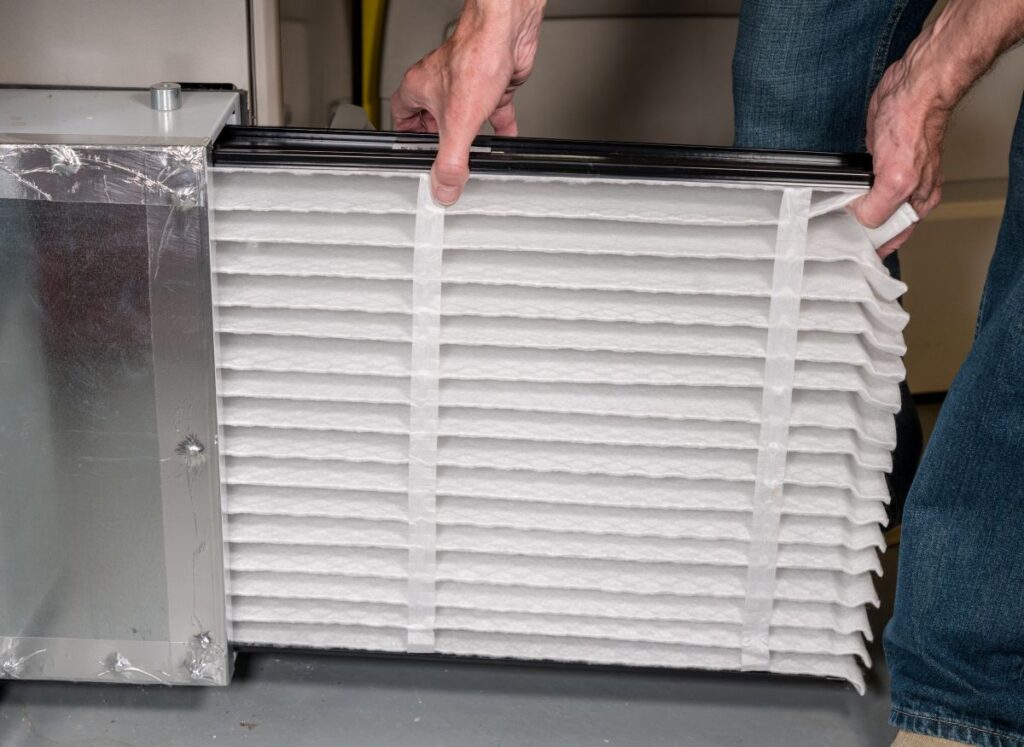
Most homeowners should replace their filter every one to three months, depending on usage and household factors. Homes with pets, allergy concerns, or extended cooling seasons may require more frequent changes.
- Every 30 days: Homes with pets or heavy system use
- Every 60 days: Average households
- Every 90 days: Low occupancy homes with limited usage
Checking your filter monthly helps prevent reduced airflow and ensures your equipment continues to function properly.
What Happens If You Ignore a Dirty Air Filter?
Ignoring dirty air filter symptoms can decrease efficiency and place additional strain on motors and internal parts. Over time, restricted airflow may contribute to overheating and component wear.
As buildup worsens, airflow speed may slow and cooling performance may decline. Replacing a filter is one of the simplest ways to prevent more expensive repairs.
Common Air Filter Mistakes Homeowners Make
Even when homeowners replace filters consistently, certain mistakes can impact performance. Understanding these factors helps ensure reliable operation.
Using the Wrong Filter Size
Installing an incorrectly sized filter allows air to bypass the media. This reduces filtration effectiveness and allows debris to circulate. Always verify dimensions before purchasing a replacement.
Choosing an Overly Restrictive Filter
Some high density filters may restrict airflow if the system is not designed for them. This can decrease overall performance and increase strain. Consulting a professional helps ensure compatibility.
Forgetting to Check Filters During Peak Season
Cooling systems in Mount Dora operate for long periods, especially during summer. Heavy use means filters clog faster. Setting a reminder to inspect your air filter regularly helps prevent performance problems before they start.
Local Climate Considerations in Central Florida
Homes in Mount Dora experience long cooling seasons, seasonal pollen, and elevated humidity. These conditions increase debris buildup inside filters.
- Extended AC runtime: Filters clog faster
- Allergen exposure: Increases filtration demand
- Humidity factors: Contribute to accumulation
We’re proud to serve home and business owners in Mount Dora, FL, and nearby communities with air quality and comfort solutions.
Limited Time Savings Event for System Upgrades
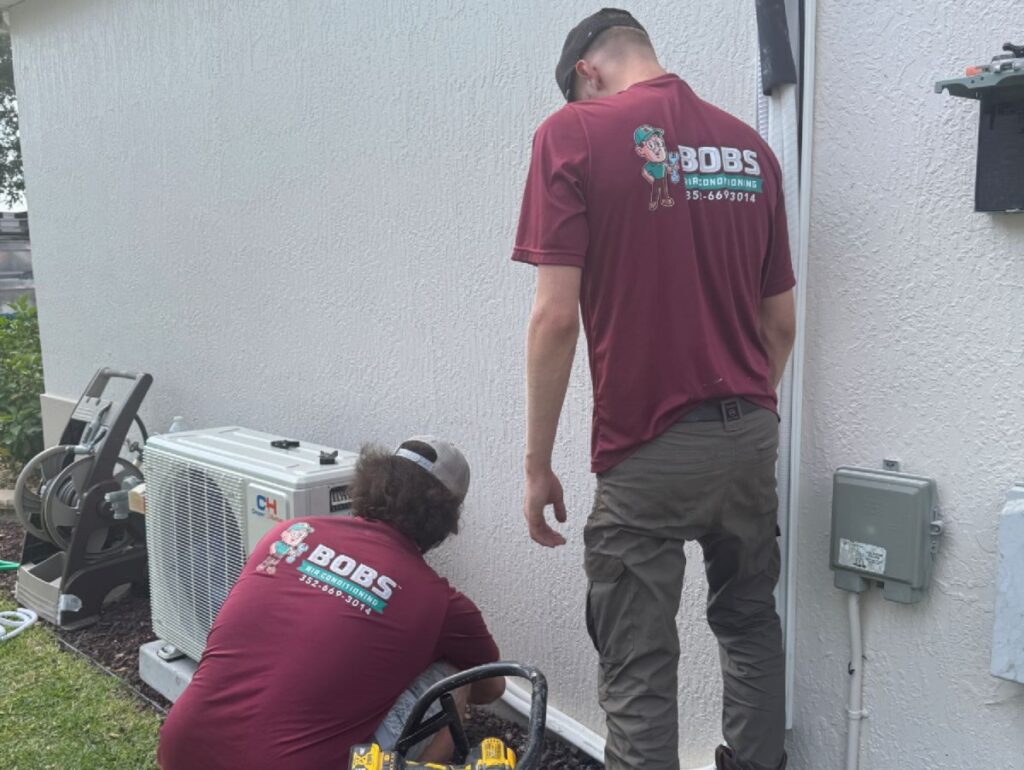
Replacing your air filter regularly helps maintain proper airflow and overall performance, but older equipment may still struggle to operate efficiently. If airflow problems, rising energy costs, or repeated service visits continue, it may be time to consider upgrading the system itself.
- 0 percent interest for 60 months: Available on qualifying systems
- Financing through Rheem Ruud: Program offered in partnership with the manufacturer
- Managed by Bob’s AC: Bob’s works directly with Rheem Ruud to handle the process
- Installation deadline: Must be installed by April 30, 2026
Upgrading aging equipment can improve airflow, decrease long term operating costs, and restore consistent comfort throughout the home. Homeowners who want to explore their options can contact our team at Bob’s Air Conditioning & Refrigeration for more information.
Keep Your Cooling System Running Strong With Bob’s Air Conditioning & Refrigeration
Bob’s Air Conditioning & Refrigeration helps homeowners maintain reliable performance through professional inspections and routine maintenance. Our team evaluates airflow, checks key components, and ensures your equipment operates efficiently.
If you are noticing dirty air filter symptoms or want expert guidance, contact Bob’s Air Conditioning & Refrigeration today. We are here to help keep your home comfortable year round.
Call us today!