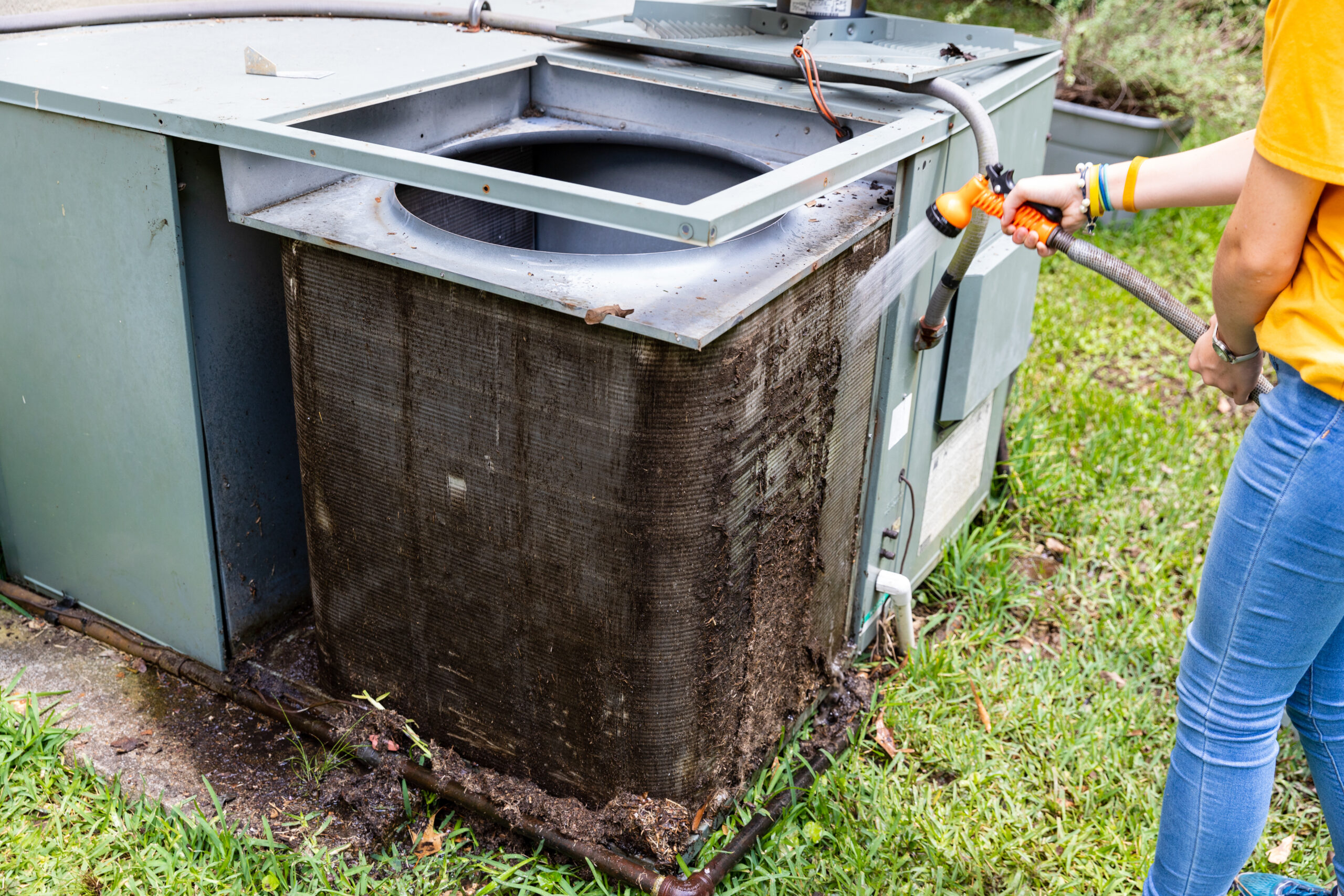
Furnace Cleaning Guide (How Often & Why It Matters)
Regular furnace cleaning is an important part of keeping your heating system safe, efficient, and reliable. While furnaces may not run year round in Florida, they still collect dust, debris, and buildup that can affect performance when cooler temperatures arrive.
- What furnace cleaning includes and why it matters
- How often homeowners should schedule cleaning
- Key safety and efficiency benefits of a clean furnace
- Signs your furnace may need professional attention
Many furnace issues do not begin with a sudden failure. They develop gradually as dirt and residue interfere with normal operation.
Furnace Cleaning Basics for Homeowners
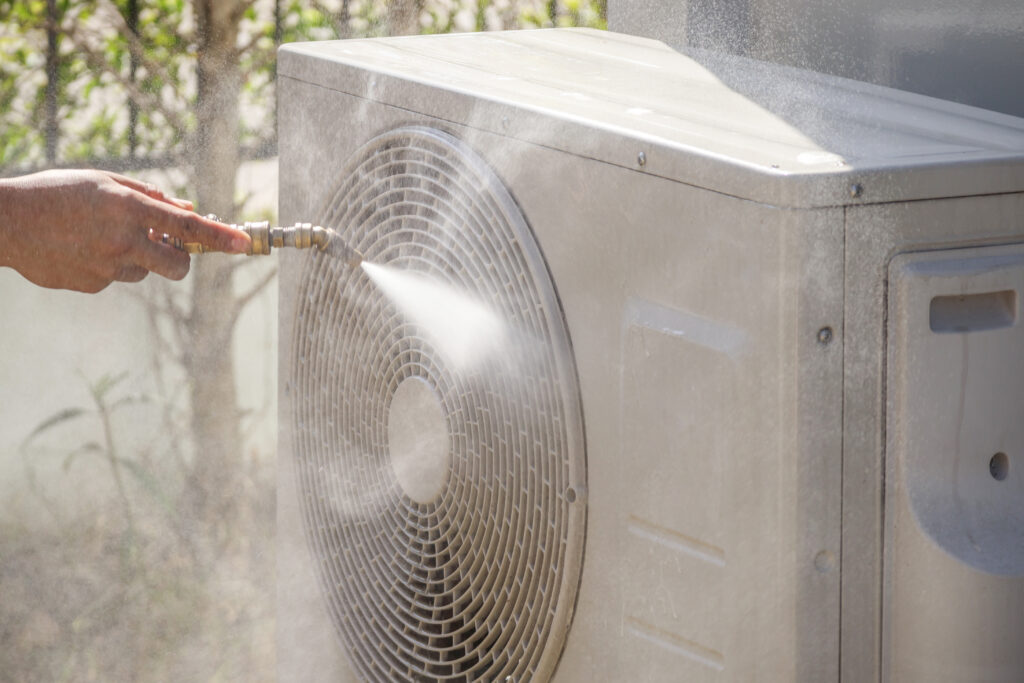
Understanding what furnace cleaning involves and why it matters helps homeowners make informed decisions about heating system care. Regular attention keeps systems operating safely, efficiently, and reliably when cooler temperatures arrive.
What Furnace Cleaning Is
Furnace cleaning focuses on removing dust, debris, and residue from critical heating system components. This process includes both visible surfaces and internal parts that influence airflow, combustion, and heat distribution.
- Component cleaning: Removes buildup from burners, blowers, and internal surfaces
- Airflow support: Clears obstructions that restrict proper air movement
- Combustion efficiency: Helps burners operate cleanly and consistently
- System reliability: Reduces strain caused by accumulated debris
Even when a furnace is used only part of the year, airborne particles, pet hair, and household dust can settle inside the system. Over time, this buildup can interfere with performance and affect indoor air quality.
Why Furnace Cleaning Matters
A clean furnace operates more efficiently and more safely than a neglected one. Dirt buildup can restrict airflow, interfere with burners, and force components to work harder to produce heat.
- Improved efficiency: Allows the furnace to heat the home using less energy
- Safer operation: Reduces risks linked to blocked airflow and dirty burners
- Consistent heating: Supports even temperatures throughout the home
- Reduced wear: Helps prevent premature component failure
In Mount Dora, where heating systems may sit unused for long stretches, buildup can go unnoticed until the first cold morning. Routine furnace cleaning helps ensure reliable startup, steady performance, and fewer unexpected problems when heat is needed.
How Often Should a Furnace Be Cleaned?
Most homeowners benefit from having their furnace cleaned once per year, ideally before the heating season begins. Annual cleaning prepares the system for use and allows technicians to catch small issues early.
Homes with pets, higher dust levels, or indoor air quality concerns may need more frequent attention. The age of the furnace and how often it operates also influence the ideal cleaning schedule.
8 Key Steps Involved in Professional Furnace Cleaning
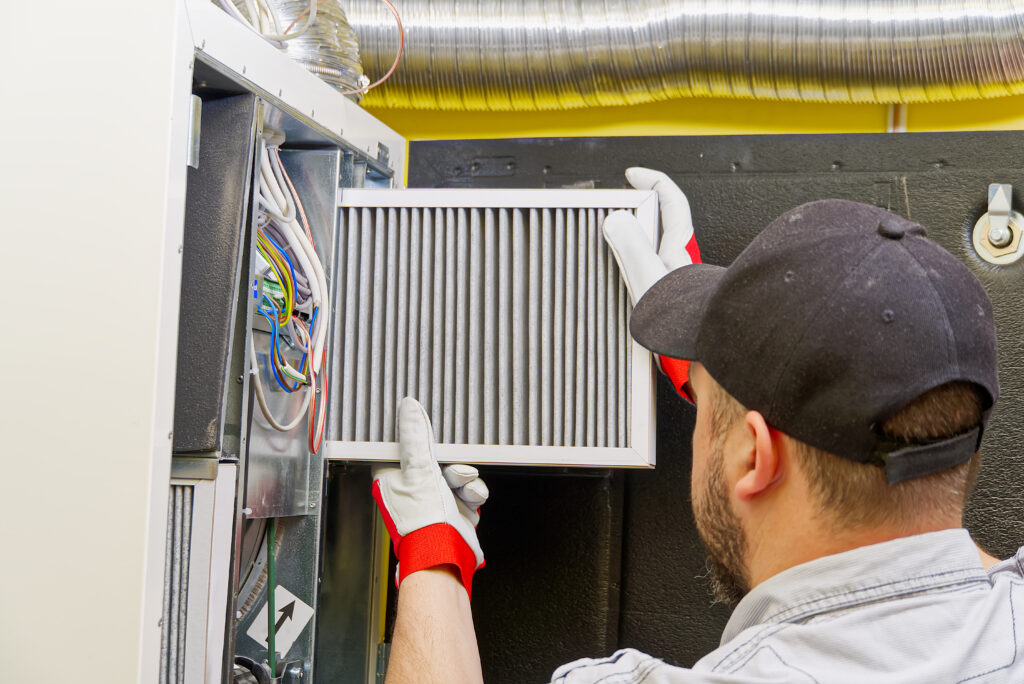
Professional furnace cleaning involves multiple detailed steps designed to improve performance and safety. Each step plays a specific role in keeping the heating system operating properly.
1. System Inspection and Safety Review
The process begins with a thorough inspection of the furnace and surrounding components. This helps identify wear, corrosion, or potential safety concerns before cleaning begins.
- Visual inspection: Checks for loose parts or visible damage
- Safety assessment: Identifies potential hazards
- Overall evaluation: Confirms system condition
2. Burner Assembly Cleaning
Burners must be clean to ensure proper combustion and heat output. Dirt or residue can interfere with flame quality and efficiency.
- Debris removal: Clears dust and buildup from burners
- Combustion support: Helps maintain consistent flame patterns
- Efficiency improvement: Supports reliable heat production
3. Blower Component Cleaning
The blower moves heated air through the home. When it becomes dirty, airflow and comfort suffer.
- Dust removal: Improves airflow through the system
- Motor support: Reduces strain on moving parts
- Noise reduction: Helps prevent rattling or imbalance
4. Heat Exchanger Surface Cleaning
The heat exchanger transfers heat safely from combustion gases to indoor air. Clean surfaces improve performance and safety.
- Surface cleaning: Removes soot and residue
- Visual inspection: Helps identify cracks or wear
- Safety support: Ensures proper heat transfer
5. Air Filter Replacement or Cleaning
Filters trap dust before it enters the furnace. Dirty filters restrict airflow and reduce efficiency.
- Filter replacement: Improves airflow immediately
- Dust reduction: Supports cleaner indoor air
- System protection: Helps prevent internal buildup
6. Electrical Connection Check
Electrical components control ignition, operation, and safety features. Cleaning and inspection help ensure reliable performance.
- Connection tightening: Prevents intermittent operation
- Component inspection: Identifies wear or corrosion
- Operational reliability: Supports consistent startup
7. Venting and Exhaust Inspection
Proper venting allows combustion gases to exit safely. Blockages or buildup can create safety risks.
- Vent clearance check: Confirms unobstructed airflow
- Residue removal: Helps maintain proper exhaust flow
- Safety assurance: Reduces risk of gas buildup
8. Final System Testing and Calibration
Once cleaning is complete, the system is tested to ensure proper operation. This confirms that all components are working together correctly.
- Startup testing: Verifies smooth ignition
- Temperature checks: Confirms proper heat output
- Operational review: Ensures reliable performance
Signs Your Furnace May Need Cleaning
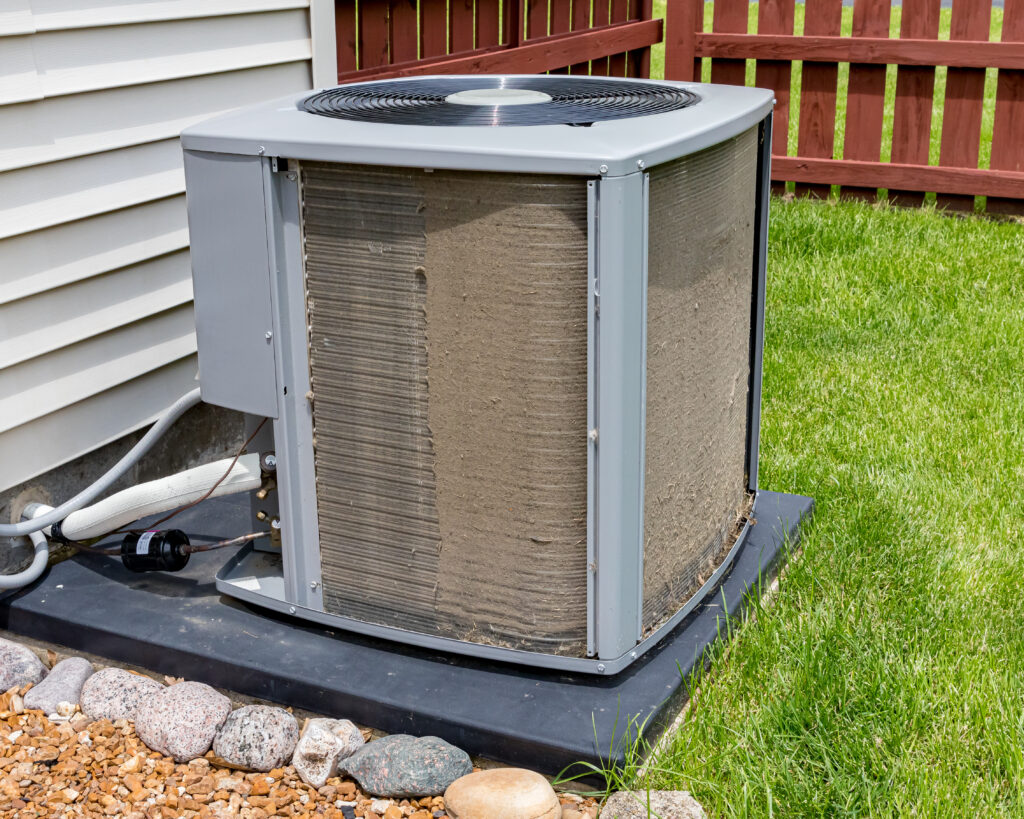
Some warning signs indicate that a furnace may be overdue for cleaning. Paying attention to these changes can help prevent larger issues.
- Reduced airflow: Weak air coming from vents
- Unusual odors: Dusty or burning smells at startup
- Inconsistent heating: Uneven temperatures throughout the home
- Increased energy bills: Longer run times to maintain comfort
Addressing these signs early helps protect both comfort and system longevity.
Local Considerations for Central Florida Homes
Homes in Mount Dora experience mild winters but still rely on furnaces during cooler periods. Because heating systems may sit unused for months, dust and debris can settle unnoticed.
- Seasonal inactivity: Allows buildup to accumulate
- Humidity exposure: Can contribute to residue and corrosion
- Short heating windows: Make reliable startup important
We’re proud to serve home and business owners in Mount Dora, FL, and nearby communities with heating system care and home comfort support.
Understanding local conditions helps homeowners plan maintenance that fits real world usage.
Reliable Heating Care From Bob’s Air Conditioning & Refrigeration
Bob’s Air Conditioning & Refrigeration helps homeowners protect their heating systems through detailed inspections, professional cleaning, and honest service recommendations. Our team focuses on safety, efficiency, and long term system performance.
If you want to ensure your furnace is clean, reliable, and ready when cooler weather arrives, Bob’s Air Conditioning & Refrigeration is here to help. Contact us today to schedule service and keep your home comfortable and safe.
Ultimate Comfort Awaits