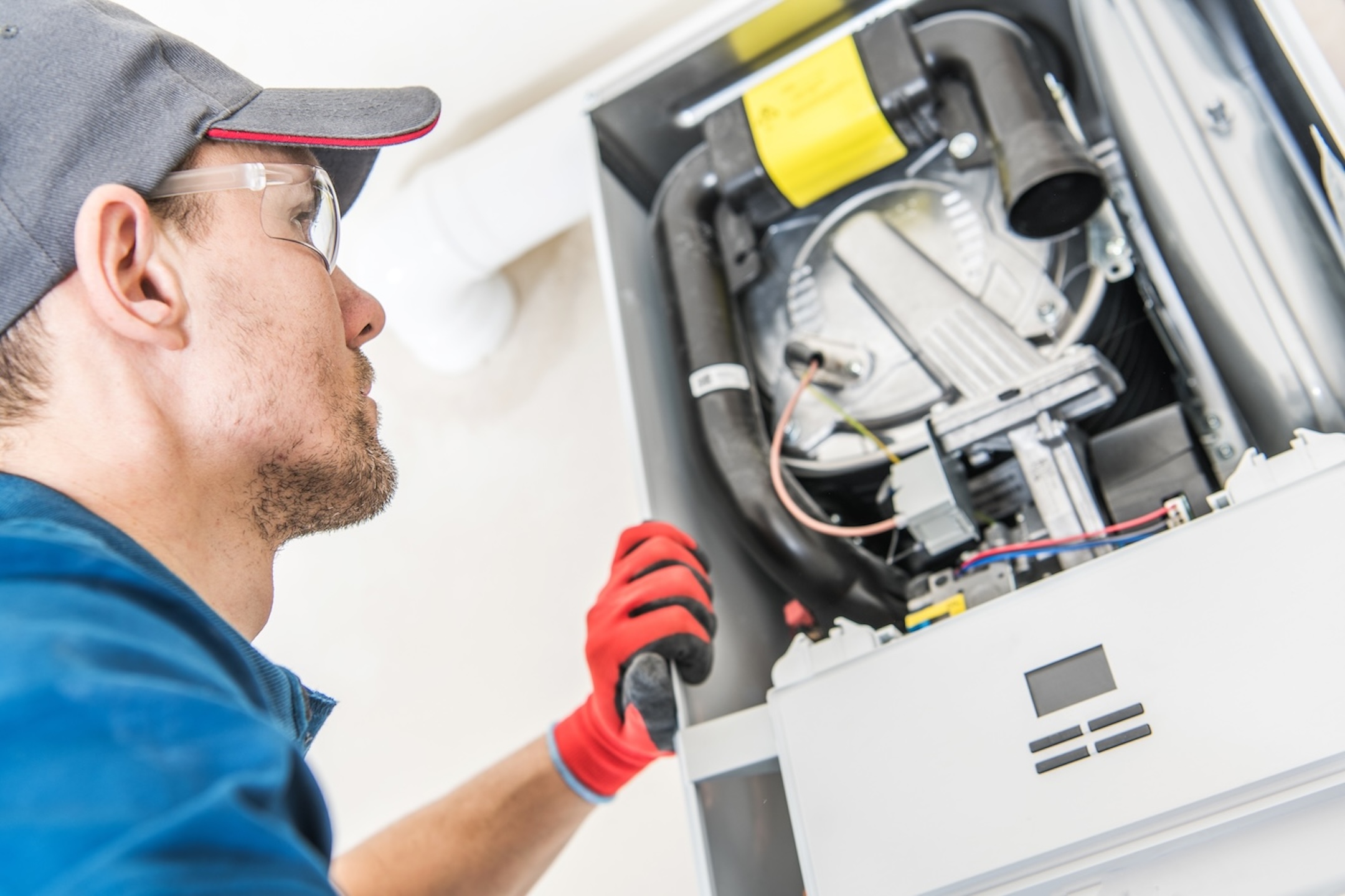
Furnace Keeps Shutting Off: 7 Common Causes in 2026
When your furnace keeps shutting off, it can leave your home feeling uncomfortable and raise concerns about safety and system reliability. This issue, often called a short cycling furnace problem, prevents your heating system from completing a full heating cycle and can lead to higher utility bills and unnecessary wear on your hvac system.
- Short cycling explained: What it means and why it happens
- Common furnace problems: The most frequent causes in 2026
- Troubleshooting guidance: When to fix it yourself and when to call a professional
- Prevention strategies: How regular maintenance helps prevent recurring shutdown issues
Understanding the root cause is the first step toward restoring steady, reliable heat.
Why Does a Furnace Keep Shutting Off?
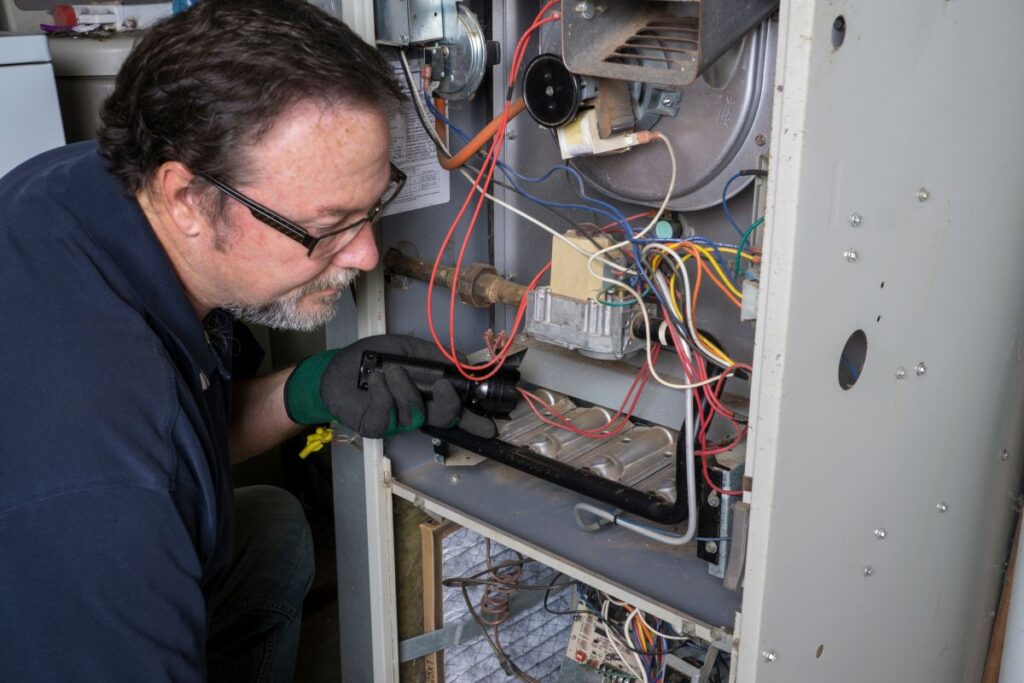
A furnace is designed to run through a full heating cycle until your home reaches the set temperature. When it shuts off prematurely and restarts repeatedly, something is interrupting that normal process and causing the furnace shutting issue.
Short cycling not only affects comfort but can also strain internal components like the blower wheel and heat exchanger. According to the U.S. Energy Information Administration, space heating accounts for about 42 percent of energy use in the average U.S. home, which makes consistent furnace performance essential for managing energy costs and avoiding higher utility bills.
In Mount Dora, where heating systems may sit idle for months before being used, small issues within the hvac system can go unnoticed until cooler weather arrives.
7 Common Causes of a Furnace That Keeps Shutting Off
When a furnace keeps shutting off repeatedly, it is usually responding to a safety trigger or airflow issue within the hvac system. Identifying the specific cause is important because short cycling furnace problems can lead to higher utility bills, uneven heating, and long term component damage.
1. Dirty Air Filter
A clogged air filter restricts airflow through the system, causing the furnace to overheat. When the system gets too hot, safety controls shut it down to prevent damage.
- Restricted airflow: Prevents proper heat circulation through air vents
- Overheating risk: Triggers safety limit switches
- Easy fix: Replace filters regularly as part of regular maintenance
2. Thermostat Problems
An improperly placed or malfunctioning thermostat can send incorrect signals to your furnace. The thermostat location plays a major role in how accurately your system detects indoor temperature.
- Incorrect readings: Causes premature shutdown
- Poor thermostat location: Near air vents or direct sunlight affects accuracy
- Battery issues: Leads to inconsistent operation
3. Overheating Heat Exchanger
If airflow is blocked or internal components are dirty, the heat exchanger can overheat. The furnace will shut off as a safety precaution to protect the primary heat source.
- Safety shutdown: Protects internal components
- Airflow issues: Often linked to dirty filters or blocked air vents
- Professional inspection needed: Ensures safe operation
4. Flame Sensor Malfunction
The flame sensor confirms that burners are operating safely. If it becomes dirty or faulty, the system may shut off shortly after ignition.
- Ignition shutdown: Prevents gas buildup
- Sensor contamination: Dust or residue affects detection
- Routine cleaning: Often resolves the issue
5. Blocked or Closed Vents
Closed supply or return air vents can disrupt airflow and create pressure imbalances within the hvac system. This restriction can cause overheating and lead to furnace shutting problems.
- Air restriction: Limits heat distribution
- System strain: Forces furnace to work harder
- Overheating risk: Triggers automatic shutdown
6. Blower Motor or Blower Wheel Issues
The blower wheel and motor distribute heated air throughout your home. If these components are dirty, damaged, or malfunctioning, the furnace may shut off to prevent overheating.
- Inadequate circulation: Reduces comfort
- Component wear: Causes inconsistent performance
- Electrical concerns: May require professional repair
7. Exhaust Vent Blockage
A blocked exhaust vent can prevent proper ventilation of combustion gases. Modern systems will shut down automatically if venting becomes restricted.
- Vent obstruction: Snow, debris, or nests block airflow
- Safety feature activation: Prevents unsafe operation
- Inspection required: Ensures proper ventilation
Signs Your Furnace Is Short Cycling
Recognizing early warning signs of a short cycling furnace can help prevent larger repairs.
- Frequent on and off cycles: Runs for only a few minutes at a time
- Uneven heating: Rooms feel inconsistent
- Higher utility bills: Increased usage without added comfort
- Unusual noises: Clicking or repeated ignition sounds
If these symptoms appear, it is important to address them quickly before further damage occurs.
How to Prevent Furnace Short Cycling
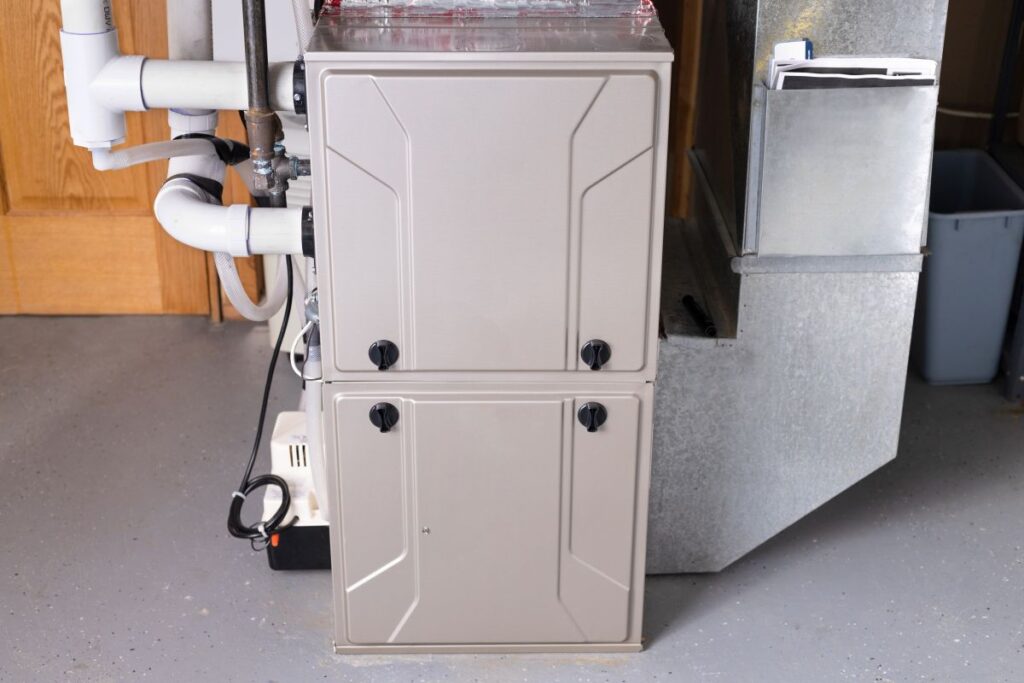
Preventive care reduces the likelihood of shutdown issues and protects the overall hvac system. Regular maintenance ensures airflow, sensors, electrical components, and the heat source are functioning properly.
- Replace air filters regularly: Every one to three months
- Schedule annual inspections: Catch problems early
- Keep air vents clear: Maintain proper airflow
- Monitor thermostat settings: Avoid frequent manual changes
Routine maintenance is especially important in Central Florida homes where heating systems may sit unused for extended periods.
When to Repair vs Replace a Furnace That Keeps Shutting Off
If your furnace keeps shutting off repeatedly, you may wonder whether a simple repair will solve the issue or if replacement is the better long term option. The right decision depends on system age, repair frequency, and overall performance.
Age of the Furnace
Most furnaces last between 15 and 20 years with proper maintenance. If your system is nearing the end of that range, repeated shutdowns may signal declining reliability and increased wear. Older systems are also typically less energy efficient than modern models, which can impact operating costs.
Frequency of Repairs
Occasional repairs are normal, but repeated service calls within a short period suggest a larger issue. Frequent shutdowns increase strain on internal components and may lead to more costly breakdowns. Tracking repair history helps determine whether continued repairs are cost effective.
Overall System Efficiency
If your furnace produces uneven heating or causes rising energy bills, efficiency may be declining. Short cycling often prevents the system from completing full heating cycles, which reduces performance and comfort.
Local Heating Considerations in Central Florida
Homes in Mount Dora experience mild winters, which means furnaces often go months without operation. When systems suddenly start running after long inactivity, dust buildup, blocked exhaust vent components, or minor hvac system issues can trigger shutdown problems.
- Seasonal startup stress: First use can expose hidden issues
- Humidity exposure: May impact internal components
- Infrequent use: Makes regular maintenance even more important
We’re proud to serve home and business owners in Mount Dora, FL, and nearby communities with heating system repair and maintenance support.
Restore Reliable Heat With Bob’s Air Conditioning & Refrigeration
Bob’s Air Conditioning & Refrigeration helps homeowners diagnose and repair furnace problems quickly and safely. Our experienced technicians identify the cause of furnace shutting issues, inspect components like the blower wheel and heat source, and provide clear solutions designed to restore reliable performance.
If your furnace keeps shutting off, do not ignore the warning signs. Contact Bob’s Air Conditioning & Refrigeration today to schedule professional service and keep your home warm and comfortable when you need it most.
Ultimate Comfort Awaits