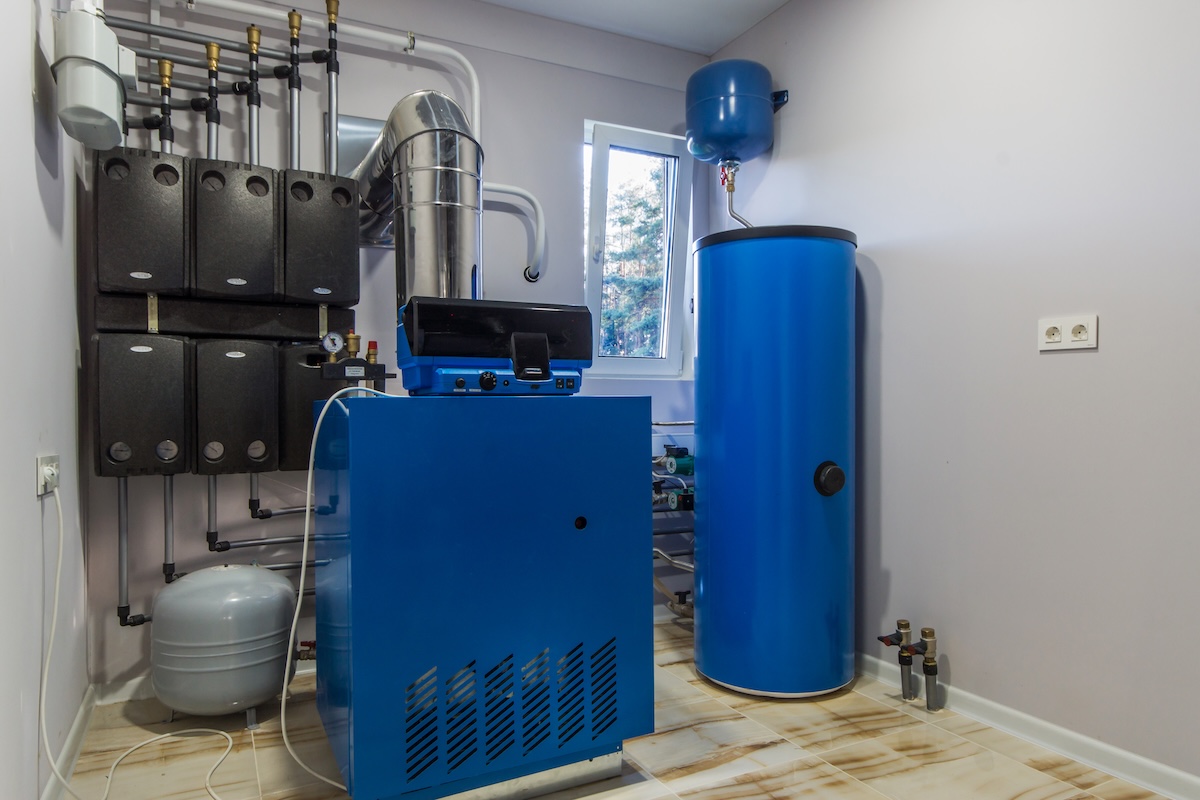
Annual Furnace Maintenance Checklist For Homeowners
Keeping your home warm and comfortable during the colder months depends heavily on the reliable operation of your heating system. That is why furnace maintenance is a crucial task for every homeowner. By performing regular upkeep, you ensure that your furnace runs efficiently, saves energy, and avoids costly repairs down the line. If you want to keep your furnace in excellent shape throughout the year, checking out specialized furnace services can provide the professional help you need to stay ahead of any issues.
- Understand the importance of regular furnace maintenance for safety and efficiency.
- Learn a detailed step-by-step checklist for annual furnace upkeep.
- Discover helpful tips to enhance furnace longevity and performance.
- Explore signs that indicate it’s time to call a professional for furnace care.
Why Furnace Maintenance is Essential for Every Home
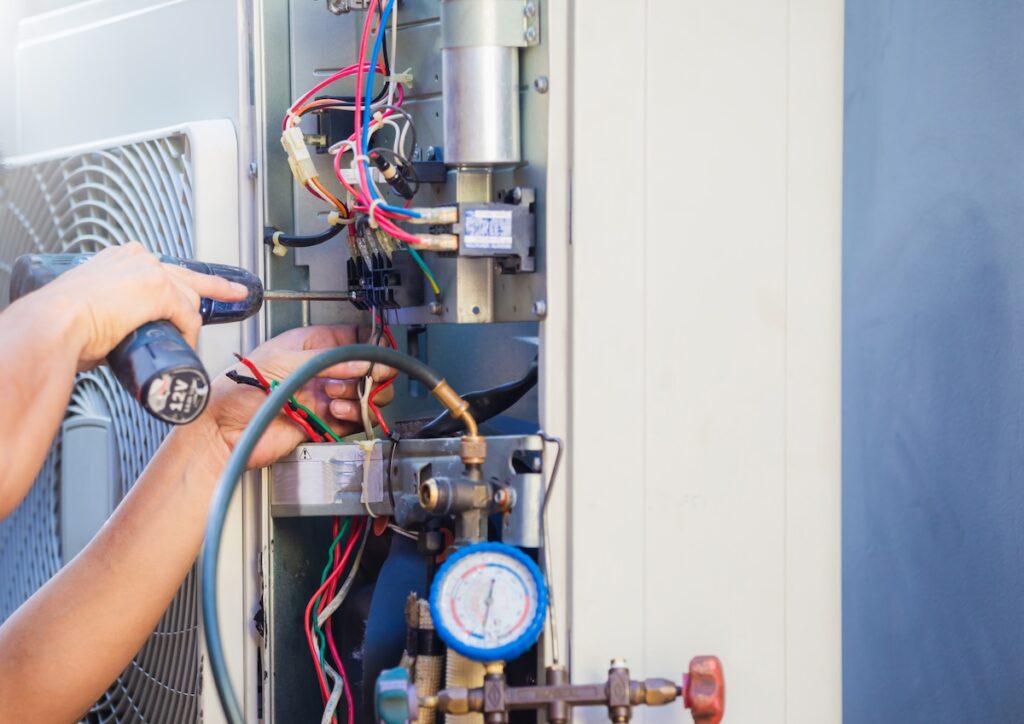
Maintaining your furnace annually is more than just a seasonal task. It impacts your home’s comfort, your family’s safety, and your utility bills. Regular care helps preserve the life of your furnace while keeping it running at peak performance.
- Energy Efficiency: A clean and well-maintained furnace uses less energy, which lowers your heating costs significantly.
- Safety Assurance: Prevent dangerous carbon monoxide leaks and fire hazards by ensuring all furnace components are in good condition.
- Longevity: Proper upkeep extends the lifespan of your furnace, saving you money on early replacement expenses.
- Consistent Warmth: A regularly serviced furnace delivers reliable heat, keeping your home comfortable on chilly days.
- Reduced Repair Costs: Regular inspections catch small problems before they become expensive repairs.
7 Step Annual Furnace Maintenance Checklist
Following a thorough checklist each year can help you keep your furnace in strong working order. Use this step-by-step guide to perform essential tasks that prevent breakdowns and maintain efficiency.
1. Turn Off Power and Gas Supply
Safety should always come first. Before doing any maintenance, make sure to turn off your furnace’s power and gas supply to avoid accidents.
- Locate the furnace’s electrical switch and thermostat.
- Turn the circuit breaker off for your heating system.
- Shut off the gas valve to the furnace if applicable.
2. Clean and Replace Air Filters
Dirty filters restrict airflow and force your furnace to work harder, raising energy consumption and wear.
- Remove your current air filter and assess its condition.
- Clean reusable filters using warm water and mild detergent—let them dry completely.
- Replace disposable filters with a new one of the correct size.
- Prefer filters with high MERV ratings for better indoor air quality.
3. Inspect and Clean the Blower Assembly
The blower moves warm air through your home’s ductwork. Dust and debris can negatively impact its function.
- Remove the blower cover to access the fan wheel and motor.
- Use a vacuum with a brush attachment to remove dust from the blower fan and housing.
- Check the blower motor for signs of wear and lubricate, if applicable.
4. Check the Pilot Light or Ignition System
Ensure that your furnace ignites properly to avoid heating interruptions or safety hazards.
- Look for a steady blue flame in the pilot light area; yellow or flickering flames indicate issues.
- Clean the pilot assembly with a small brush to remove soot buildup.
- For electronic ignitions, check wiring connections and test the ignitor function.
5. Examine the Heat Exchanger
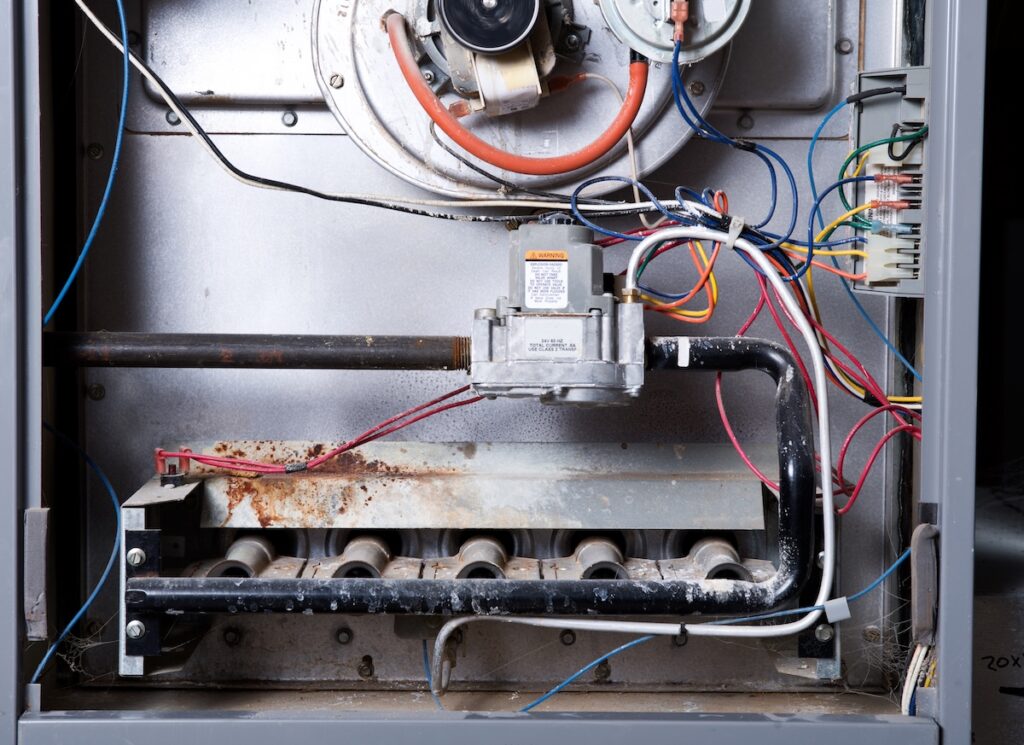
Cracks or corrosion in the heat exchanger can cause dangerous carbon monoxide leaks.
- Visually inspect the surface for signs of damage or rust.
- Listen for unusual noises like banging or popping noises during operation.
- Contact a professional if you detect any issues instead of attempting repairs yourself.
6. Test the Thermostat Operation
A malfunctioning thermostat can prevent your system from reaching desired temperatures.
- Set the thermostat to different temperature settings and observe furnace response.
- Replace batteries in programmable models annually.
- Consider upgrading to a smart thermostat for better control and efficiency.
7. Inspect Vents and Ducts for Blockages
Proper airflow depends on clean and clear vents and ducts throughout your home.
- Check registers for dust buildup or obstruction from furniture or drapes.
- Ensure ducts are sealed properly to prevent leaks.
- Schedule professional duct cleaning every few years to maintain air quality.
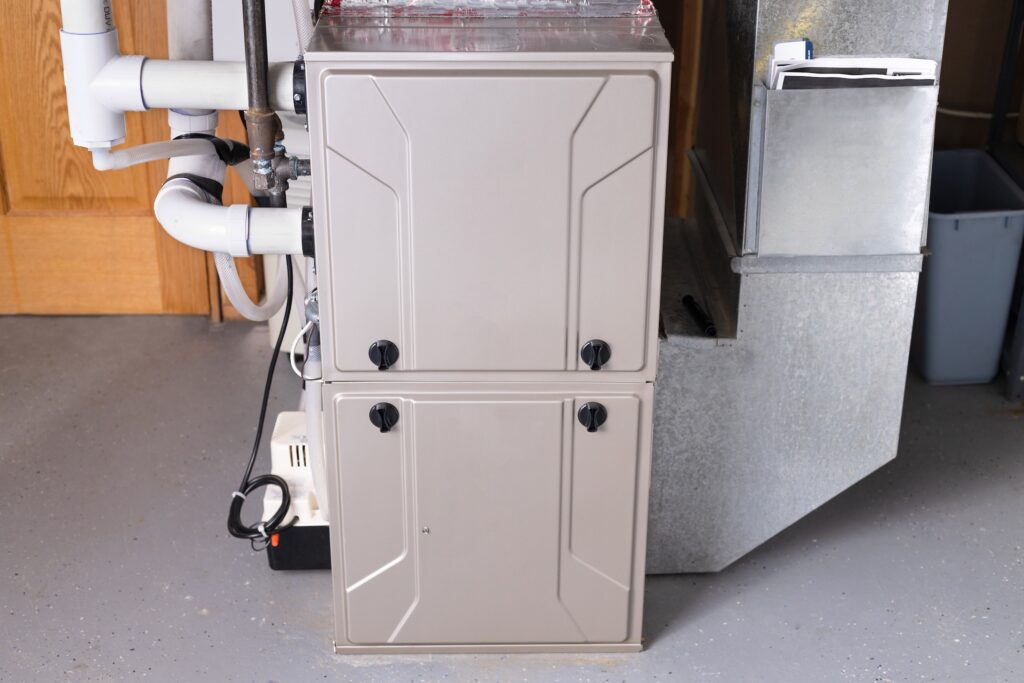
Pro Tips to Enhance Furnace Longevity
Maximizing the lifespan of your furnace requires more than annual maintenance. Consider these additional practices to protect your investment and optimize performance.
- Consistent Filter Changes: Even if your furnace is not in use, replace filters regularly to avoid dust accumulation.
- Annual Professional Inspection: Experienced technicians can identify hidden problems and fine-tune your system for peak efficiency.
- Keep the Area Clear: Remove clutter around the furnace and maintain adequate airflow to prevent overheating.
- Monitor Energy Bills: A sudden spike in heating costs can signal furnace malfunction or inefficiency requiring attention.
- Seal Doors and Windows: Reducing drafts lessens heating system demand and strain.
Detecting When to Call a Furnace Technician
Even with diligent upkeep, certain symptoms indicate that professional service is needed to keep your furnace safe and effective.
- Unusual Sounds: Clanking, rattling, or banging noises can point to loose parts or mechanical issues that should be checked promptly.
- Frequent Cycling: If your furnace turns on and off rapidly, it may be overheating or have a failing component.
- Insufficient Heat Output: When the furnace struggles to warm your home, this could mean clogged filters, airflow problems, or failing parts.
- Strange Odors: A burning smell may indicate electrical issues or dust burning off; a rotten smell could be mold in ducts—both require inspection.
- High Energy Bills: A spike in heating costs without increased usage suggests diminished furnace efficiency.
Protect Your Home with Reliable Furnace Maintenance
Investing time and attention in annual furnace maintenance safeguards your home’s warmth, prevents safety hazards, and saves money in the long run. Whether you tackle basic upkeep yourself or choose to hire professionals for more complex services, staying proactive with your furnace ensures comfort all season long. For expert assistance to keep your furnace performing at its best, contact us today at Bob’s AC and experience peace of mind with comprehensive heating care.
Ultimate Comfort Awaits