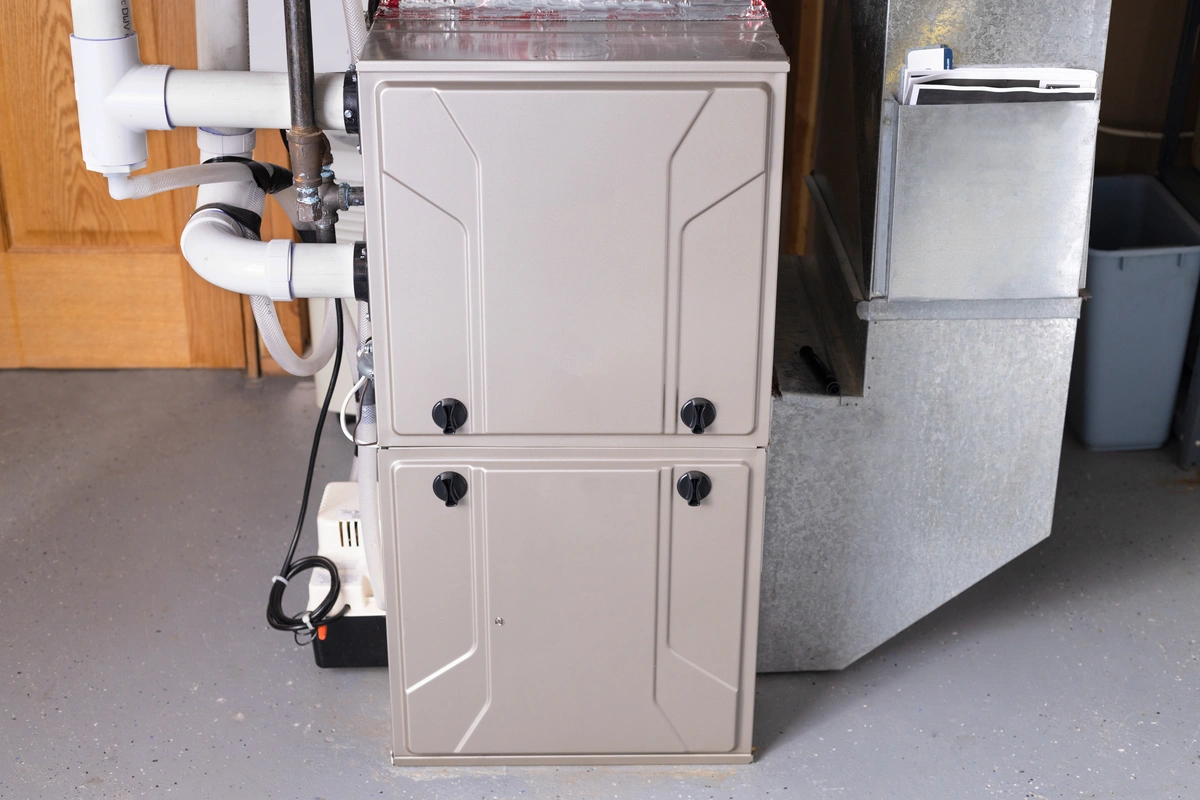
How Much Does Furnace Replacement Cost in 2025?
Replacing a furnace is one of the most significant investments homeowners face when upgrading their home’s HVAC system. Whether your old furnace is showing signs of wear or you’re ready to upgrade to a more energy-efficient model, understanding the costs involved is essential.
This guide will break down everything you need to know about furnace replacement costs in 2025, including:
- Average furnace replacement costs in 2025
- Factors affecting furnace replacement costs (including a detailed breakdown of key factors)
- Benefits of investing in a new furnace
👉 Average Furnace Replacement Cost in 2025
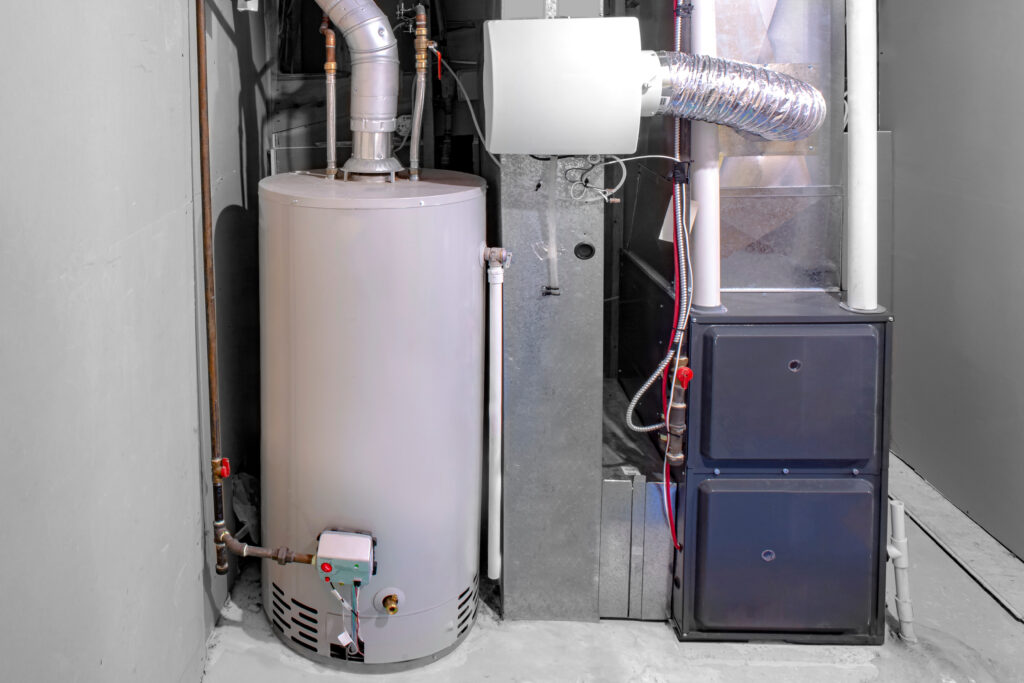
The average cost to replace a furnace in 2025 typically ranges from $3,500 to $7,500, including installation. However, prices can vary depending on factors such as the type of furnace, the size of your home, and specific installation requirements. For example, gas furnaces generally cost between $3,000 and $6,000, while electric furnaces range from $2,000 to $5,500. Oil furnaces are priced higher at $4,500 to $7,500, and high-efficiency models (gas or electric) can cost anywhere from $6,000 to $10,000.
It’s important to get quotes from experienced HVAC professionals to ensure an accurate estimate, as installation complexity and additional services can significantly impact the final cost. Always consider the long-term savings of high-efficiency systems, which may offset their higher upfront price through reduced energy bills over time.
Types of Furnaces and Their Price Ranges
Your choice of furnace will greatly influence the overall cost of replacement. Each type of furnace comes with its own set of advantages and price ranges.
- Gas Furnaces ($3,000–$6,000): Efficient heating for colder climates, but gas prices and installation costs can add up.
- Electric Furnaces ($2,000–$5,500): Budget-friendly upfront, great for mild winters, though electricity bills may be higher.
- Oil Furnaces ($4,500–$7,500): High heating output for older homes without gas lines, but higher maintenance and environmental impact.
- High-efficiency Furnaces ($6,000–$10,000): Eco-friendly with excellent performance and long-term savings, though costly upfront.
💵 6 Factors Affecting Furnace Replacement Costs
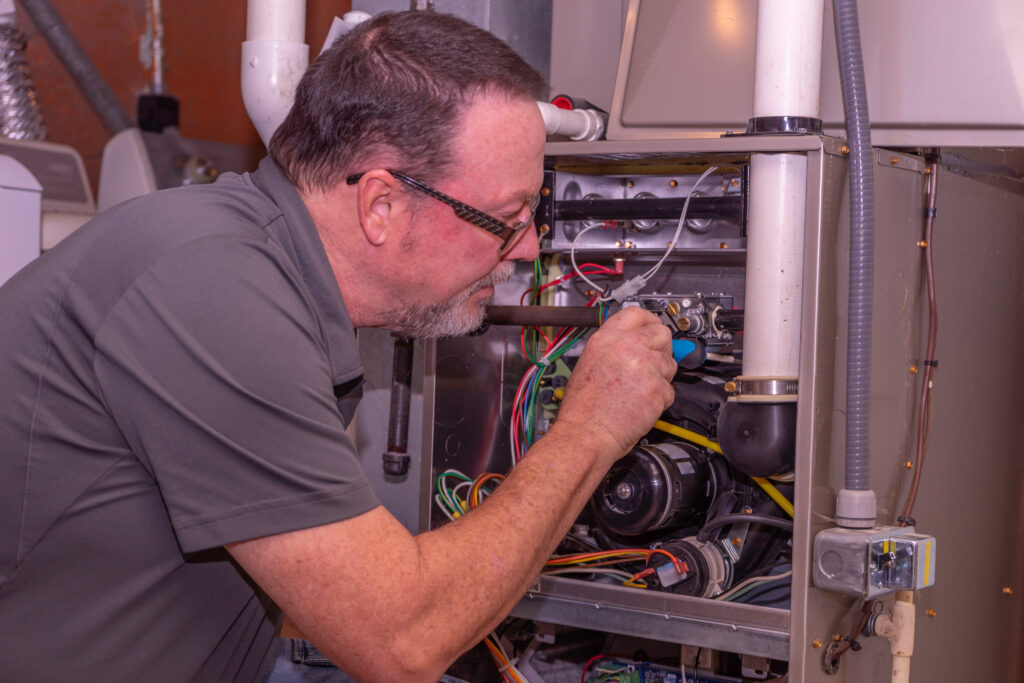
The cost of a furnace replacement isn’t just about the furnace itself. Here’s a breakdown of factors that influence the total expense:
1. Furnace Size
The size of the furnace you need is determined by the square footage, insulation, and layout of your home. A properly sized furnace is crucial for both performance and energy efficiency. A furnace that is too small will struggle to heat your home effectively, leading to higher energy bills and potential wear and tear. On the other hand, a furnace that is too large may cycle on and off frequently, reducing efficiency and lifespan. Larger homes or homes with open floor plans typically require more powerful furnaces, which often come with higher upfront costs. Consider having a professional perform a load calculation to ensure you select the right size for your home.
2. Installation Complexity
The complexity of the installation process can greatly impact costs. If you have an older home or an outdated HVAC system, you may need additional work to upgrade your ductwork or ventilation system, which can significantly increase labor costs. Additionally, if the installation space is difficult to access—such as a cramped attic or a tight basement—contractors may charge more due to the extra time and effort required. Complex installations may also require permits or inspections, which can add to the overall cost. To avoid surprises, make sure to get a detailed assessment from a licensed HVAC contractor.
3. Energy Efficiency Rating
Furnaces come with an Annual Fuel Utilization Efficiency (AFUE) rating that measures how efficiently they convert fuel into heat. Higher-efficiency furnaces, with AFUE ratings of 90% or more, cost more upfront but offer significant long-term savings on energy bills. They’re also more environmentally friendly, reducing your carbon footprint. However, it’s important to weigh the initial investment against your heating needs and budget. If you live in a colder climate where the furnace will be running frequently, a high-efficiency model can save you money over time. For milder climates, a standard-efficiency furnace might be a more cost-effective choice.
4. Brand and Model
Not all furnaces are created equal, and the brand and model you choose will directly affect both the cost and performance of your heating system. Premium brands like Carrier, Trane, or Lennox often come with a higher price tag, but they offer advanced features, durability, and better warranties. Mid-range or budget-friendly brands may be more affordable upfront but could have shorter lifespans or fewer advanced options. Researching customer reviews and consulting HVAC professionals can help you find a brand and model that balances quality, features, and price to meet your needs.
5. Location
Your geographic location plays a significant role in determining the overall cost of your furnace and its installation. Labor rates tend to be higher in urban areas compared to rural regions due to the higher cost of living. Additionally, the availability of certain furnace models and parts may vary depending on your area, potentially increasing costs for shipping or delivery. Climate also matters—regions with colder winters may require more powerful furnaces, while milder climates might need less expensive systems. Local building codes and regulations may also affect installation costs, so it’s essential to work with a contractor familiar with your area’s requirements.
6. Additional Features
Modern furnaces offer a wide range of features designed to improve comfort, efficiency, and convenience. Smart thermostats, for example, allow you to control your home’s temperature remotely and can help optimize energy usage. Variable speed blowers can adjust airflow to maintain consistent temperatures, reducing energy waste and improving comfort. Zoning systems enable you to control the temperature in different areas of your home independently. While these features can enhance your furnace’s performance and your overall comfort, they do come at a premium price. Consider which features are essential versus optional based on your lifestyle and budget.
✅ Benefits of Investing in a New Furnace
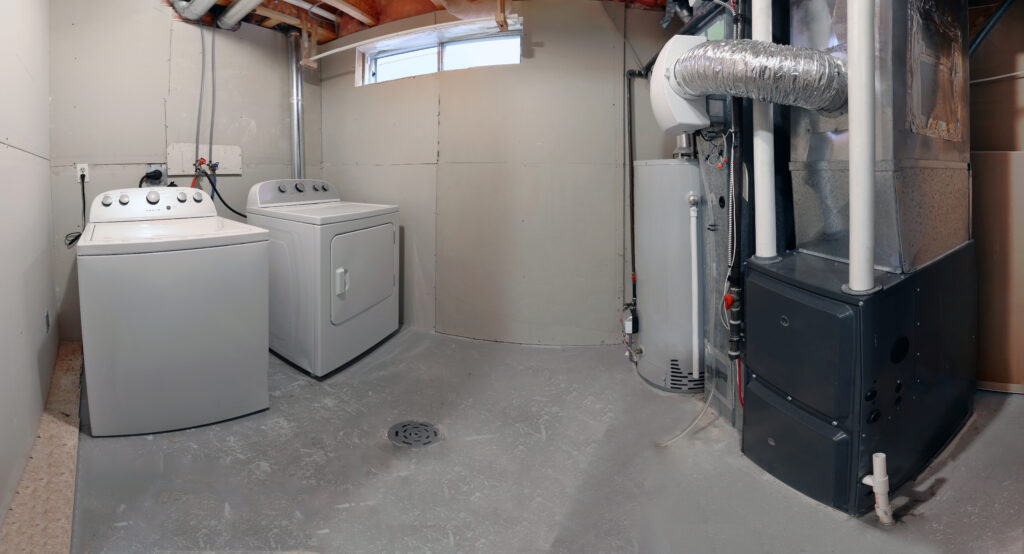
Replacing an old, inefficient furnace comes with a range of benefits that often outweigh the initial investment:
Lower Energy Bills
Upgrading to a modern furnace can significantly reduce your energy consumption. These systems are designed to be far more efficient than older models, meaning you’ll spend less on heating costs each month. Over time, the savings on energy bills can make a huge difference to your household budget.
Improved Home Comfort
Say goodbye to cold spots and uneven heating! Modern furnaces provide consistent and reliable warmth throughout your entire home. With advanced features, they can maintain a steady temperature, ensuring your living spaces stay comfortable no matter how cold it is outside.
Reduced Carbon Footprint
High-efficiency furnaces are not only better for your wallet, but they’re also better for the planet. By using less energy to heat your home, these systems produce fewer greenhouse gas emissions, helping you reduce your overall environmental impact without sacrificing comfort.
Enhanced Air Quality
New furnace systems often come equipped with advanced filtration and ventilation capabilities. These features can help remove allergens, dust, and other particles from the air, making your home healthier and more comfortable, especially for those with allergies or respiratory concerns.
Peace of Mind
A new furnace brings reliability you can count on. Forget about frequent repairs or the stress of sudden breakdowns on freezing nights. With a modern system, you’ll enjoy better durability, advanced safety features, and the confidence that your heating needs are covered for years to come.
🛠️ Trust Bob’s Air Conditioning for Furnace Replacement in 2025
When it comes to furnace replacement, understanding the costs is just one piece of the puzzle—choosing the right team to handle the job is equally important. At Bob’s Air Conditioning, we combine decades of expertise, transparent pricing, and a customer-first approach to ensure you get the best value for your investment.
Our team is fully licensed, bonded, and committed to restoring comfort to your home with tailored solutions and expert installation. Ready to upgrade your home’s heating system? Contact us today to schedule a free consultation and discover why Bob’s is the team you can trust for all your HVAC needs. Let’s keep your home warm and cozy—call now!
Ultimate Comfort Awaits