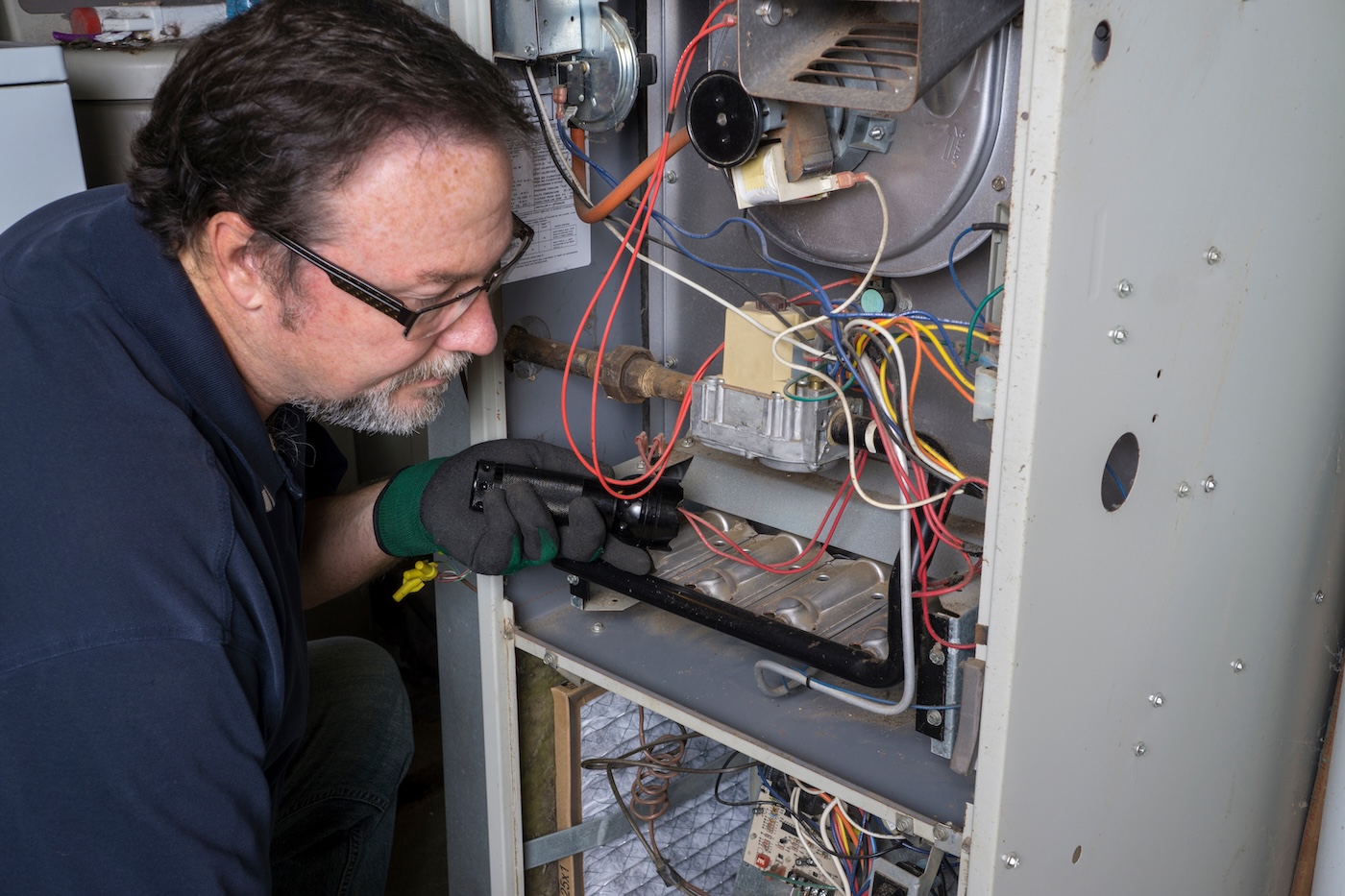
Furnace Won’t Turn On? (Troubleshooting Guide)
When the temperatures drop, a reliable heating system is essential to keep your home comfortable. If your furnace won’t turn on, it can quickly become a stressful situation. Understanding common causes and troubleshooting steps can make a significant difference in restoring warmth without delay. For professional repairs and service, you can always rely on expert assistance available through comprehensive furnace services.
In this blog, you’ll learn:
- The most common reasons your furnace won’t power up
- Simple and safe troubleshooting steps you can perform
- When to call a professional technician for help
- Maintenance tips to prevent future issues
Why Furnaces Fail to Turn On: What You Need to Know
A furnace that does not start can indicate a range of potential problems, from minor user errors to serious mechanical failures. Addressing this promptly is important to avoid discomfort and prevent damage to your heating system.

Power interruptions and equipment issues can happen even in well‑maintained systems. From a tripped circuit breaker to thermostat miscommunication, most problems fall into common categories that are straightforward to inspect.
- Power Supply Issues: Faulty wiring or tripped breakers can cut power to the furnace.
- Thermostat Malfunctions: Incorrect settings or broken components can prevent the signal to start the system.
- Dirty or Clogged Parts: Filters and vents clogged with debris can inhibit airflow and system response.
- Ignition Failures: Problems with pilot lights or electronic ignitors may stop the furnace from lighting.
4 Essential Tips to Troubleshoot When Your Furnace Won’t Turn On
Replacing or installing a gas furnace is a detailed process that requires technical expertise, careful planning, and safety compliance. Below are the key steps professionals follow to ensure your heating system runs efficiently and reliably.
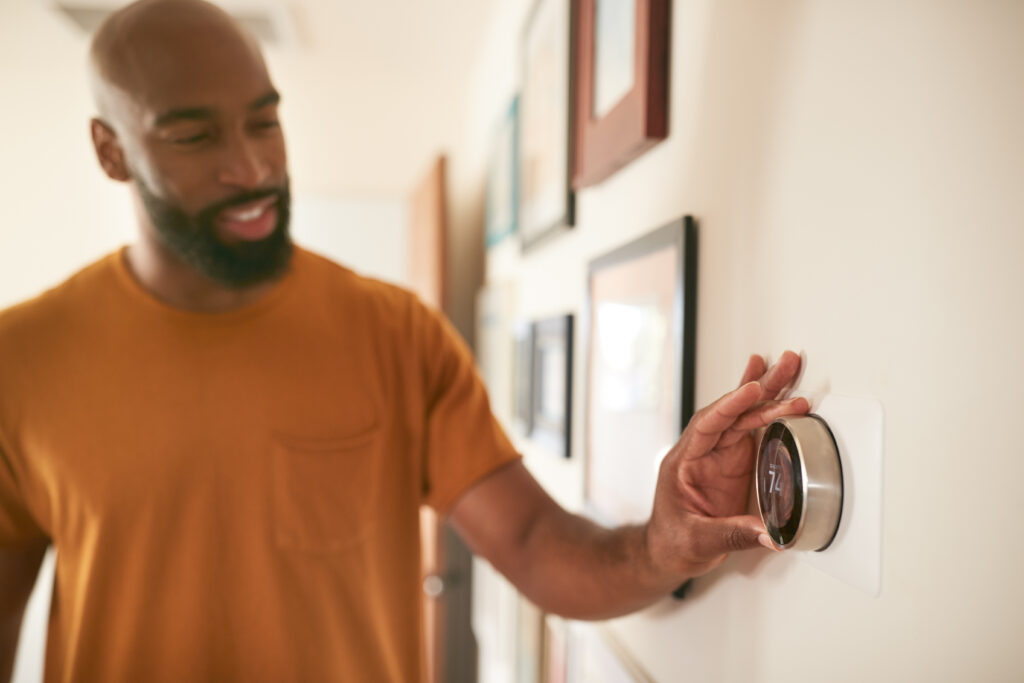
1. Check the Thermostat First
Make sure your thermostat is set to “Heat” and the temperature is above the current room level. If the settings are correct and the unit still doesn’t respond, try replacing the batteries or testing another temperature setting.
- Battery-Powered Models: Replace batteries annually.
- Smart Thermostats: Check for Wi-Fi or connectivity errors.
2. Inspect Power and Gas Connections
No power or disrupted natural gas supply can instantly shut down your system. Start by confirming the circuit breaker hasn’t tripped and that the furnace’s power switch is on. Then verify the gas valve is open and gas is flowing to other appliances.
- Breaker Box: Reset tripped breakers.
- Gas Flow: Check if your stove or other gas device is working properly.
3. Examine the Filter and Vents
A dirty filter can restrict airflow and even cause the furnace to overheat and shut off. Likewise, blocked vents can trigger safety switches. Swap out the filter and check for obstructions around the intake and exhaust.
- Air Filter: Replace every 1–3 months during heavy use.
- Outdoor Exhaust: Clear snow, leaves, or debris blocking airflow.
4. Look for Error Codes or Blinking Lights
Newer systems include indicator lights or digital codes to pinpoint problems. Refer to your user manual or contact a technician if you see unusual blinking patterns or messages.
- System Reset: Some units have a reset button to clear basic errors.
- Diagnostic Lights: Each pattern usually corresponds to a specific issue.
Preventive Measures to Keep Your Furnace Running Smoothly
Once your furnace is running again, taking care of it year-round helps prevent future failures and lower operating costs.
- Schedule Annual HVAC Inspections: Early detection of wear or faulty components helps avoid winter emergencies.
- Use a Programmable Thermostat: Improve efficiency and control with modern models that help save energy.
- Keep the Furnace Area Clear: Ensure nothing blocks airflow or access to vents.
- Replace Filters Regularly: Never underestimate the importance of clean filters to improved indoor air quality.
When to Call a Furnace Professional
Some furnace problems can be fixed with basic troubleshooting, but others signal the need for professional attention. Recognizing these signs early can save you time, money, and ensure your system runs safely and efficiently.
Unusual Noises or Inconsistent Heat
If your furnace makes banging, grinding, or whistling sounds, it may indicate issues with internal components like the blower or motor. Inconsistent heating or cold air blowing from vents often points to ignition problems or airflow restrictions.
Frequent Cycling or High Energy Bills
A furnace that turns on and off repeatedly could be overheating or experiencing sensor problems. You might also notice your heating bills increasing unexpectedly — a clear sign your system is working harder than it should due to reduced efficiency.
Why Professional Furnace Repair Matters
Calling a licensed HVAC technician ensures the issue is diagnosed correctly and repaired safely. Prompt service prevents breakdowns, restores energy efficiency, and extends the life of your heating system. Bob’s AC offers expert furnace repair for Leesburg, FL homeowners needing fast, reliable home heating solutions.
Common Questions About Furnace Troubleshooting
Even if your furnace is back in action, you may still have concerns. Here are answers to some of the most frequent questions homeowners ask about furnace operation and repairs.
- Why won’t my furnace start even though the thermostat is working? A tripped breaker, dirty air filter, or ignition problem could be interfering with startup. Also check the furnace switch and gas supply.
- How can I tell if the pilot light is out? Check the inspection window on your furnace — if the flame is not visible, the pilot light is likely out and may need relighting.
- What’s the blinking light on my furnace mean? Diagnostic lights help identify specific problems. Refer to your furnace’s manual for the code meanings or consult a technician.
- Is it safe to relight the pilot myself? If you’re comfortable and the manufacturer provides clear instructions, yes. If unsure, it’s safer to have a technician do it.
- When should I call a professional? If basic steps don’t work or you notice gas smells, electrical issues, or error codes you don’t understand, call a certified HVAC technician.
Restore Your Comfort Fast with Bob’s AC Heating Services
No heat? No problem. At Bob’s AC, we understand how frustrating furnace issues can be — especially when the temperatures drop. Whether it’s a quick fix or a full system repair, our skilled technicians are ready to help.
We proudly serve homeowners and businesses in Leesburg, FL, and surrounding communities with expert heating system diagnostics, heat pump services, and complete furnace repair and installation. Reach out to Bob’s AC today to schedule a fast and reliable furnace service — and get your home warm again without delay.
Ultimate Comfort Awaits