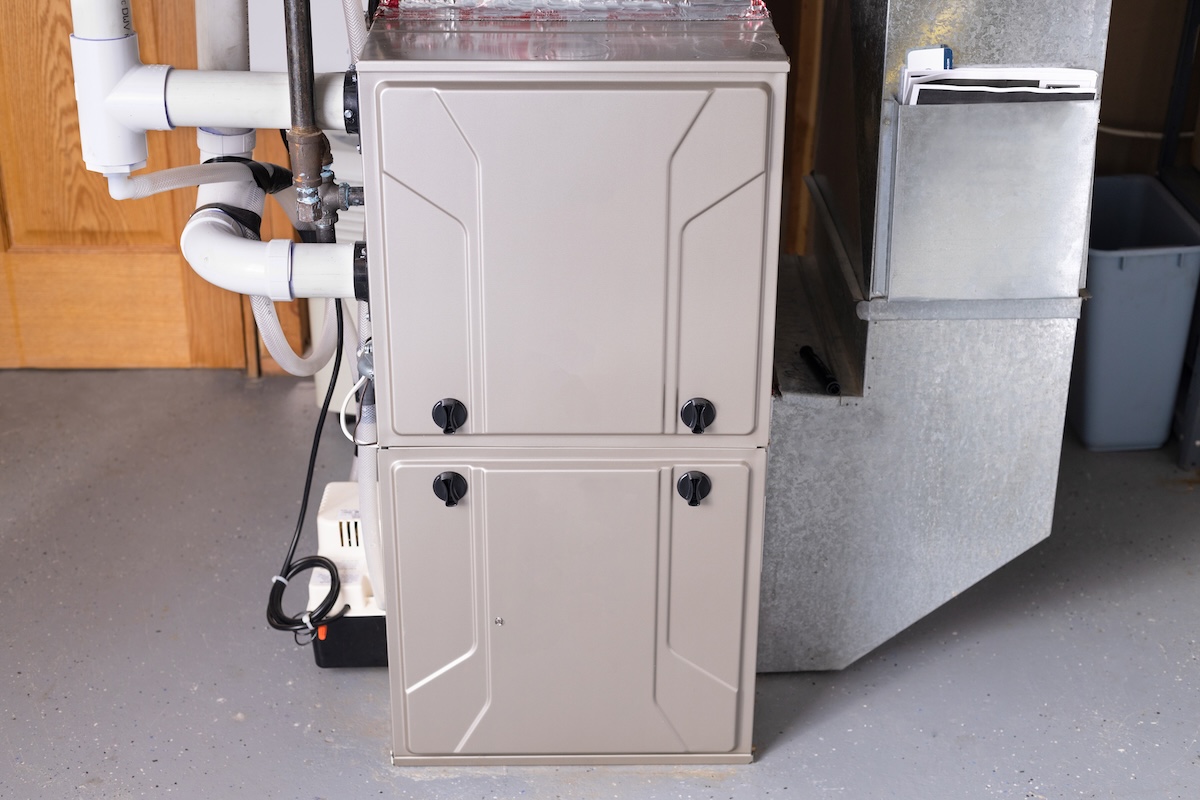
Gas Furnace Repair: 5 Common Issues & Fixes
When the cold months approach, ensuring your heating system is reliable becomes essential. Addressing gas furnace repair needs promptly helps maintain comfort and safety in your home. Knowing the common problems and remedies can save time, money, and hassle. For those interested in detailed maintenance or replacement options, exploring professional furnace services can provide valuable insights and solutions.
- Understand why gas furnace repairs are crucial for home comfort and safety
- Identify the most frequent gas furnace problems and their signs
- Learn practical steps to diagnose and troubleshoot common furnace issues
- Discover maintenance tips to extend the lifespan of your furnace
- Recognize when to call a professional for repair or replacement
Why Timely Gas Furnace Repair Matters
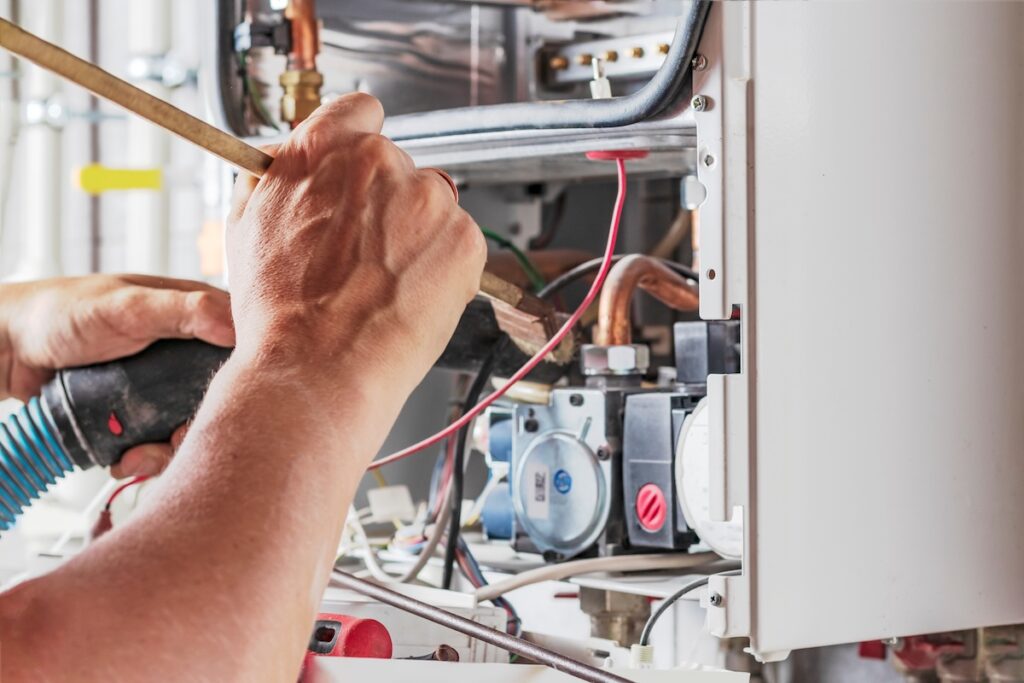
Maintaining a well-functioning gas furnace is central to consistent warmth and indoor air quality, especially during colder seasons. Neglecting minor problems can escalate into costly repairs or pose safety hazards. Understanding the benefits of addressing furnace issues early can help homeowners take proactive steps.
- Enhanced Safety: Early repairs prevent dangers such as gas leaks or carbon monoxide exposure.
- Energy Efficiency: Fixing issues promptly ensures the furnace operates optimally, lowering utility bills.
- Improved Comfort: Reliable heating avoids cold spots and uneven temperatures throughout the home.
- Longer Equipment Life: Minor repairs can extend the furnace’s lifespan, delaying costly replacements.
- Peace of Mind: Knowing your heating system is safe and efficient reduces stress during winter months.
5 Top Common Gas Furnace Issues and How to Fix Them
When your gas furnace encounters problems, recognizing the symptoms can guide you toward effective solutions. Below are some of the most frequent issues with practical steps for troubleshooting or repair. Ensuring you understand these can help prevent emergency situations and keep your system running smoothly.
1. Furnace Fails to Start
A furnace that refuses to turn on is one of the most frustrating problems during cold weather. Causes range from simple to complex, so systematic checks are necessary.
- Check the thermostat settings to ensure it is set to “heat” and the temperature is above room temperature.
- Inspect the circuit breaker or fuse box for a tripped breaker or blown fuse.
- Examine the pilot light or ignition system; a faulty ignitor may require replacement.
- Consider that a malfunctioning gas valve may restrict fuel flow, requiring professional inspection.
2. Furnace Blowing Cold Air
If your furnace runs but only produces cold air, this often points to issues with the burner or heat exchanger.
- Dirty air filters can restrict airflow, leading to insufficient heating; replace filters regularly.
- A clogged or dirty burner flame can prevent adequate heating; cleaning or professional service may be necessary.
- Malfunctioning thermostat sensors can cause inaccurate temperature readings.
- Inspect ducts for leaks or blockages that may cause warm air loss.
3. Frequent Cycling On and Off
Short cycling occurs when the furnace turns on and off repeatedly and can indicate several hidden problems.
- Oversized furnace units may cycle frequently because they heat the space too quickly.
- Dirty air filters or blocked vents can cause overheating, triggering premature shutdown.
- Thermostat issues or faulty limit switches can misread temperatures, affecting burner operation.
- Inspect the blower motor and fan for mechanical malfunctions or excessive dust accumulation.
4. Strange Noises from the Furnace
Unusual sounds such as banging, rattling, or squealing often signal internal component problems.
- Banging noises may indicate delayed ignition, where gas builds up before igniting.
- Rattling sounds could be loose or broken parts inside the unit.
- Squealing noises often stem from worn or misaligned blower belts or motors.
- Addressing these noises early with a professional avoids further damage and costly repairs.
5. Pilot Light Keeps Going Out
A pilot light that frequently extinguishes can interrupt heating and may suggest safety or maintenance concerns.
- Check for drafts near the furnace that could blow out the flame.
- A dirty or blocked thermocouple might fail to detect the flame, cutting off gas supply.
- Consider that issues with gas pressure or supply may affect the pilot light’s stability.
- Periodic professional maintenance ensures safe and consistent pilot light operation.
Tips to Enhance Your Gas Furnace’s Longevity and Performance
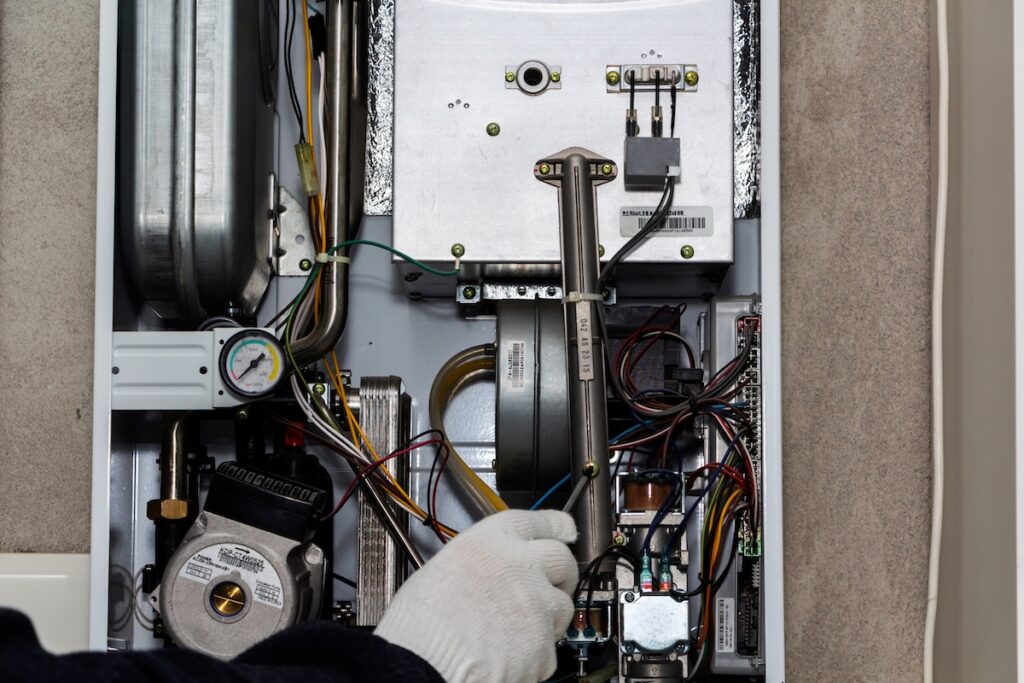
Maintaining your gas furnace prevents many common problems and supports energy efficiency. Incorporating a few key strategies can reduce repair needs and boost heating quality over time.
- Regular Filter Replacement: Changing filters every 1–3 months maintains airflow and protects internal components from dust buildup. Choosing high-quality filters suitable for your furnace’s specifications optimizes performance.
- Annual Professional Tune-Ups: Scheduling routine inspections and servicing with experienced technicians detects early signs of wear and safety risks, ensuring all parts operate harmoniously.
- Seal and Insulate Ductwork: Inspection and sealing of ducts minimize heat loss and improve efficiency, contributing to consistent warmth in every room.
- Install a Programmable Thermostat: Smart temperature control reduces unnecessary furnace runtime while preserving comfort, thereby enhancing system longevity.
- Keep the Area Around the Furnace Clear: Maintaining a clean and unobstructed space prevents airflow issues and reduces fire hazards, promoting safe operation.
When to Seek Professional Gas Furnace Repair Services
While some minor repairs or routine maintenance can be performed by knowledgeable homeowners, many gas furnace issues require professional expertise for safety and effectiveness. Understanding when to call in the experts helps avoid costly mistakes and maintains a safe home environment.
Complex Mechanical or Electrical Problems
Issues involving the gas valve, ignition system, blower motors, or circuit boards typically require specialized tools and training for diagnosis and repair.
Gas Smell or Suspected Leak
A faint or strong gas odor is a serious safety concern. Evacuate the premises immediately and contact professionals to inspect and repair.
Repeated or Unresolved Issues
If repairs do not resolve recurring problems or the furnace frequently breaks down, professional assessment can determine whether replacement is more cost-effective.
Regular Maintenance Contracts
Enroll in service agreements with heating specialists to benefit from routine checkups, prioritized service, and extended equipment life.
| Service Type | Benefits | Recommended Frequency |
| Filter Replacement | Improved airflow and efficiency | Every 1–3 months |
| Professional Tune-Up | Early problem detection and part lubrication | Annually |
| Duct Inspection/Sealing | Reduced heat loss and improved airflow | Every 2 years |
For those seeking expert guidance on furnace maintenance, repair, or installation, comprehensive furnace services provide tailored options. Learn how professional solutions can enhance the efficiency and safety of your system.
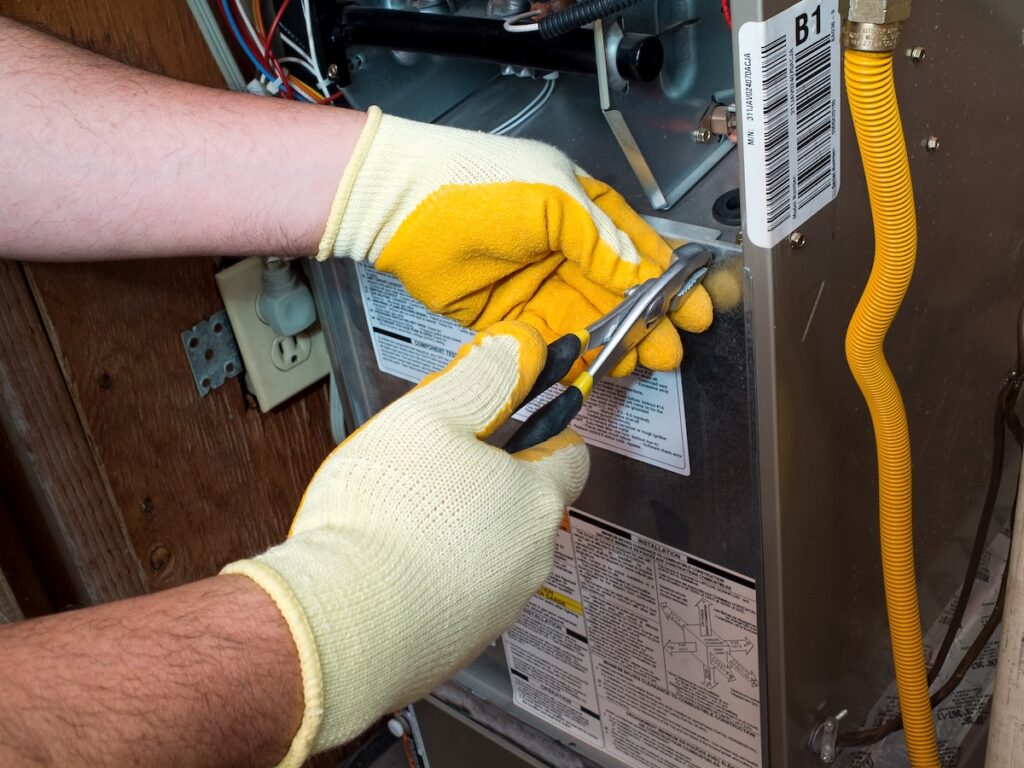
Gas Furnace Repair For Your Home
Addressing issues with your gas furnace promptly not only safeguards your home’s comfort but also prevents safety risks. Regular maintenance combined with timely repairs ensures your heating system remains reliable throughout the cold season. If you experience ongoing furnace problems or notice any signs of danger, contact us today to schedule a professional inspection and repair service tailored to your needs.
Ultimate Comfort Awaits