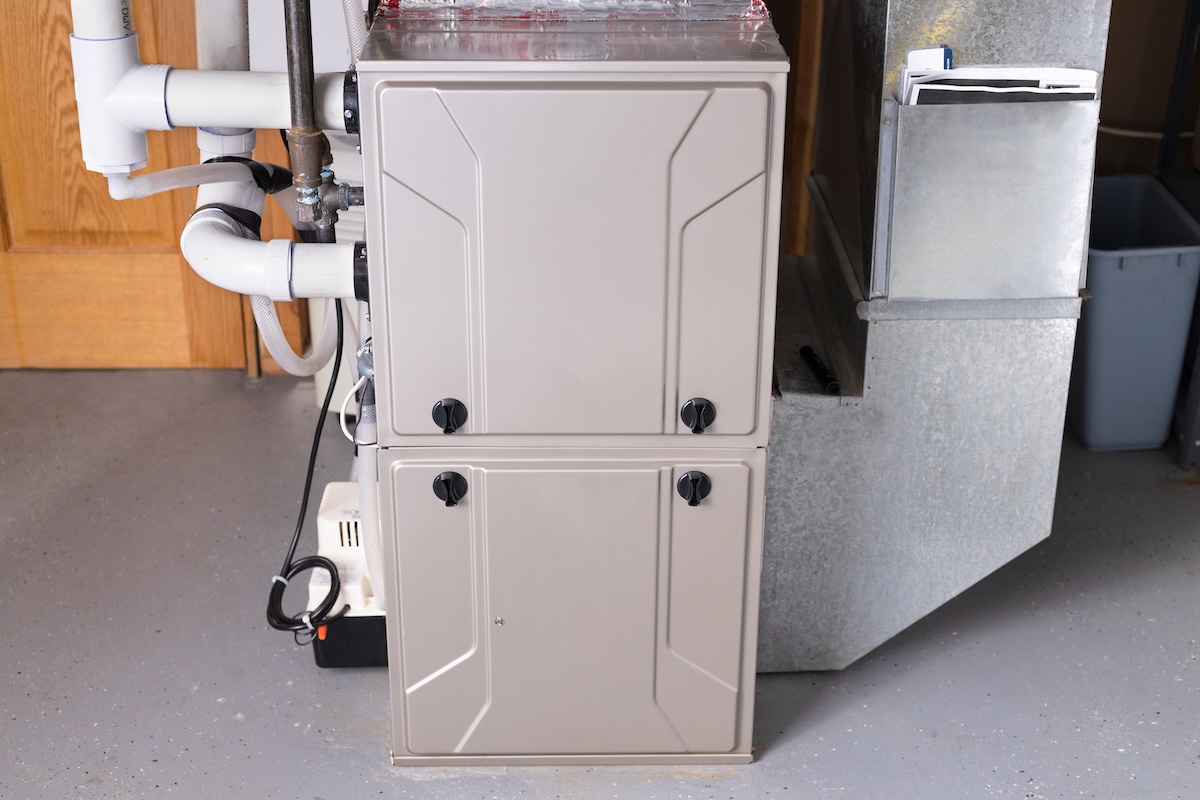
Gas Furnace Guide (How It Works & Maintenance Tips)
When cold weather hits, having a reliable heating system is essential for comfort and safety. A gas furnace is a popular and efficient heating solution for many homes, providing consistent warmth during chilly months. Understanding how a gas furnace works and how to maintain it can help maximize its efficiency and lifespan. For those interested in installing or servicing a furnace, exploring professional furnace services can be an excellent next step.
- Learn the basic components and operation of a gas furnace
- Discover key maintenance tips to keep your system running efficiently
- Understand common warning signs and troubleshooting steps
- Explore professional servicing options and safety considerations
Understanding the Importance of Gas Furnace Knowledge
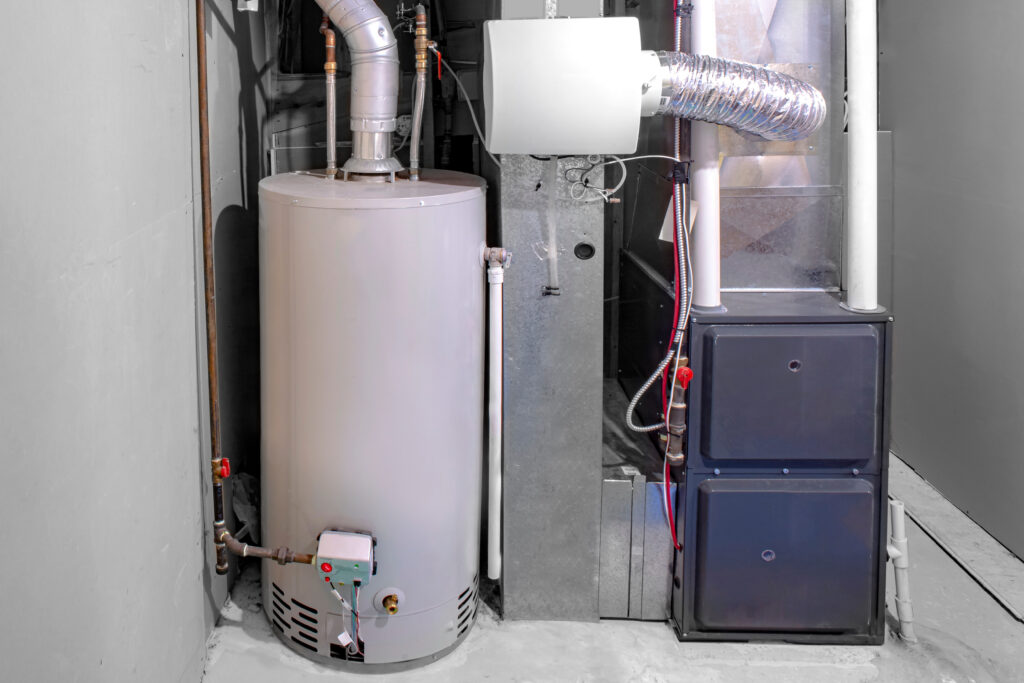
Gas furnaces are a cornerstone of home heating in many regions, offering powerful and cost-effective warmth. Knowing how these systems operate and what maintenance they require not only ensures a cozy home but can prevent costly repairs and safety hazards.
Taking the time to understand your furnace’s function safeguards your investment and optimizes energy use during the coldest months.
- Energy Efficiency: Proper knowledge can help reduce heating bills by ensuring the furnace operates at peak performance.
- Safety: Understanding components and maintenance is critical to prevent gas leaks or carbon monoxide risks.
- Lifespan: Regular upkeep extends the furnace’s functional life.
- Comfort: Timely repairs and maintenance prevent unexpected breakdowns on freezing days.
- Cost Savings: Avoiding emergency repairs and improving efficiency reduces overall expenses.
5 Key Steps that Explain How a Gas Furnace Works
A gas furnace uses natural gas combustion to generate heat for a home’s ventilation system. Breaking down its operation into clear steps helps demystify the process and highlights critical points for maintenance and inspection.
1. Thermostat Signals Calls for Heat
The process begins when the thermostat detects that the indoor temperature has dropped below the set level. It then sends a signal to the furnace to start the heating cycle.
- Control Signal: Activates the ignition system and blower fan.
2. Ignition and Burner Activation
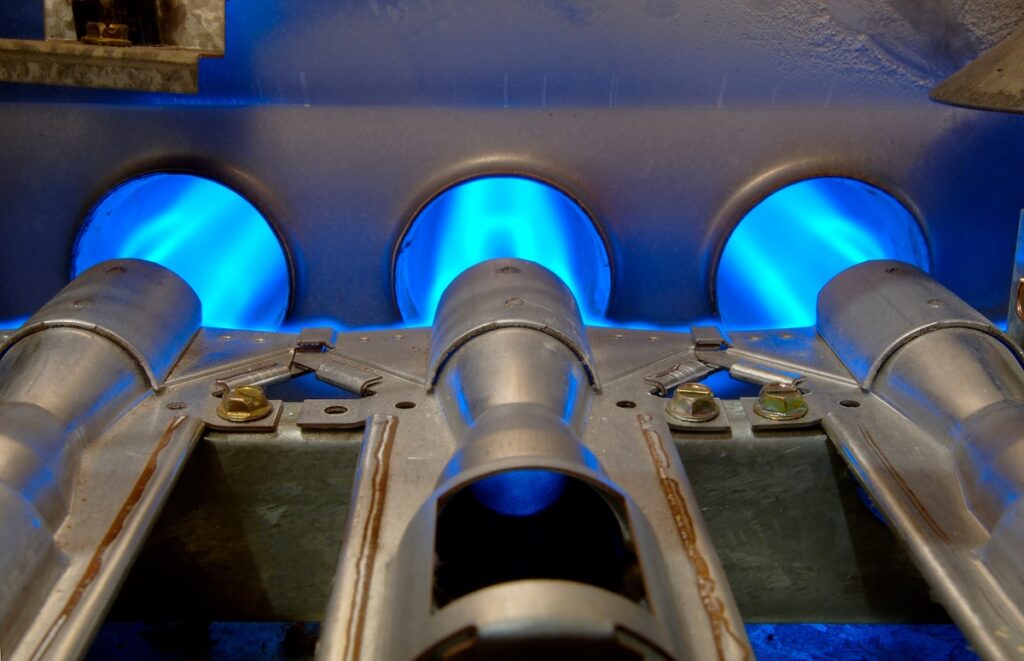
The furnace’s ignition system lights the burners, which then begin the combustion of natural gas. This produces heat inside the heat exchanger.
- Ignition Types: Electronic ignition or pilot light.
- Combustion: Burns gas safely to generate heat.
3. Heat Exchanger Warms Up
Heat from the burning gas transfers to the metal heat exchanger, which then warms the air passing over it without mixing combustion gases with indoor air.
- Safety: Heat exchanger must remain intact to prevent gas leaks.
- Heat Transfer: Maximizes energy efficiency.
4. Blower Fan Circulates Warm Air
The blower fan pushes the warmed air through ducts and into rooms throughout the home while venting combustion gases outside safely.
- Air Distribution: Ensures even heating throughout the house.
- Exhaust Venting: Removes harmful combustion by-products.
5. Thermostat Senses Desired Temperature Again
Once the room reaches the desired temperature, the thermostat turns off the furnace to maintain energy efficiency and prevent overheating.
- Cycle Control: Promotes comfort and energy savings.
Essential Maintenance Tips to Keep Your Gas Furnace Running Smoothly
Preventive maintenance is crucial to ensure your gas furnace runs efficiently and safely throughout the heating season. Addressing minor issues early often avoids costly repairs and breakdowns.
- Regular Filter Replacement: Change or clean filters monthly during heavy use to improve airflow and reduce strain on the system.
- Schedule Professional Inspections: Annual furnace tune-ups by licensed technicians check for gas leaks, carbon monoxide levels, and combustion efficiency.
- Keep Vents and Air Registers Clear: Ensure nothing blocks airflow, maximizing heating efficiency and comfort.
- Inspect the Thermostat: Test and calibrate your thermostat to maintain precise control over indoor temperature.
- Check for Unusual Noises or Odors: Strange sounds or smells may indicate mechanical issues or gas leaks that require immediate attention.
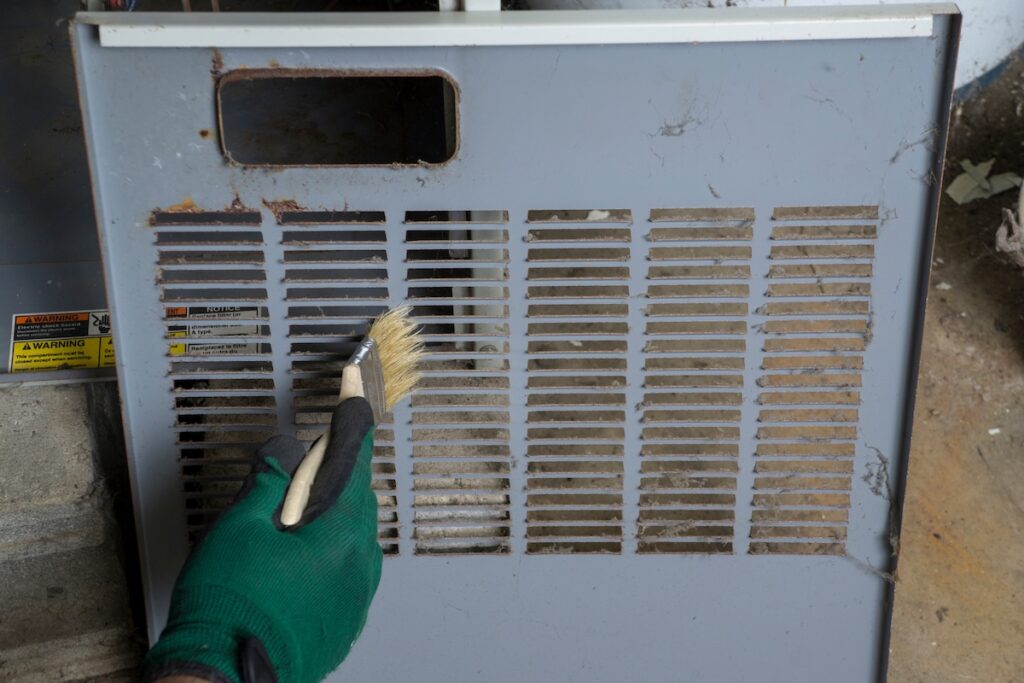
- Clean the Furnace Exterior and Surroundings: Dust and debris accumulation can impair performance or even pose fire risks.
Common Warning Signs and Troubleshooting Tips for Gas Furnaces
Being aware of warning signs can save money and ensure safety by catching furnace issues early. Some problems can be simple fixes, while others need professional intervention.
Irregular Heating or Cold Spots
If some rooms are not heating properly or heat distribution feels uneven, it could signal problems with ductwork, airflow, or the blower fan.
Frequent Cycling On and Off
A furnace cycling too frequently may have thermostat issues or airflow blockages, causing short cycling and inefficient operation.
Unusual Noises
Rattling, squealing, or banging noises often indicate loose components, a failing blower motor, or airflow obstructions.
Yellow or Flickering Pilot Light
A healthy pilot light burns blue. Yellow flames or flickering can point to carbon monoxide risks or dirty burners requiring service.
Increased Energy Bills
Spikes in heating costs despite normal use suggest a decline in furnace efficiency and should prompt inspection and maintenance.
Thermostat Not Responding
If your thermostat fails to signal the furnace properly, check for dead batteries or faulty wiring before calling for repairs.
Frequently Asked Questions About Gas Furnaces
Homeowners often have many questions about gas furnaces regarding safety, costs, and performance. Here are some answers to the most common inquiries.
| Question | Answer |
| How long does a gas furnace typically last? | With proper maintenance, a gas furnace can last 15 to 20 years or more. |
| Is a gas furnace safe to operate indoors? | Yes, when correctly installed and maintained, gas furnaces are safe with proper venting and carbon monoxide detectors. |
| Can I perform maintenance myself? | Some basic tasks like filter replacement and clearing vents can be done safely, but inspections and repairs should be handled by professionals. |
| How do I improve my furnace’s efficiency? | Regular inspections, changing filters, sealing ducts, and using a programmable thermostat can boost efficiency. |
| What should I do if I smell gas near my furnace? | Evacuate immediately and call emergency services and your gas company. Do not use electrical devices or open flames. |
Maximize Comfort and Safety with Expert Furnace Service
Keeping your gas furnace in excellent condition promotes home comfort and safety throughout the year. Proper knowledge and regular maintenance help you avoid unexpected breakdowns while lowering energy costs. When you need dependable support, Bob’s AC is here to help with expert furnace servicing and repair. To schedule an appointment or learn more, contact us today and let our professionals ensure your heating system is ready for the cold season.
Ultimate Comfort Awaits