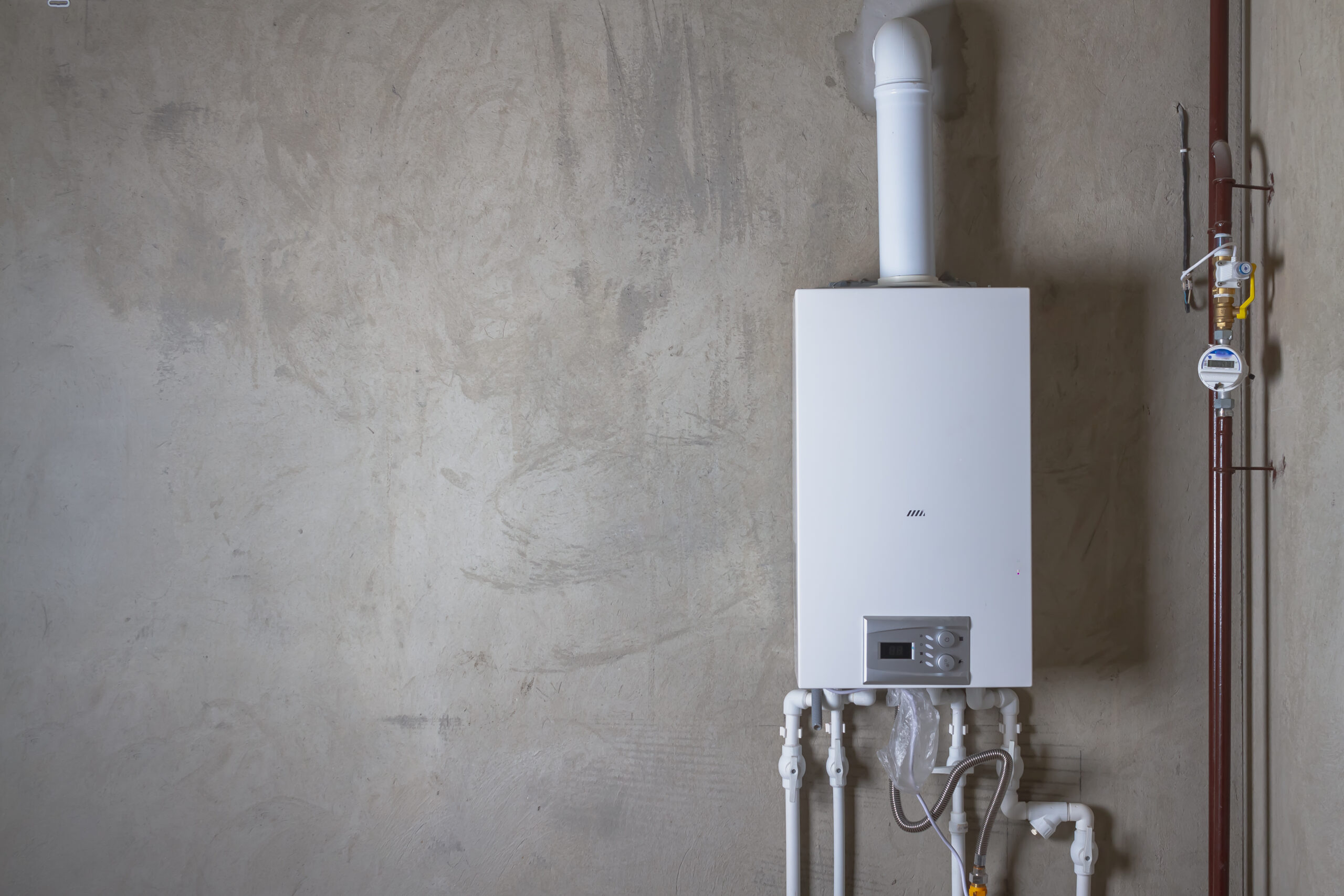
Heat Pump Water Heater (Save Energy & Lower Bills)
Installing a heat pump water heater is one of the most effective ways homeowners can reduce energy usage while still enjoying reliable hot water year round. Unlike traditional water heaters that generate heat directly, heat pump models move heat from the surrounding air, making them especially efficient in Florida’s warm climate.
- How heat pump water heaters work compared to standard models
- Energy savings homeowners can expect over time
- Installation considerations for Florida homes
- Common questions homeowners have before upgrading
With rising energy costs and increased demand for efficient home systems, heat pump water heaters are becoming a smart long term investment for many households.
What Is a Heat Pump Water Heater?

A heat pump water heater uses electricity to move heat rather than create it. It pulls warmth from the surrounding air and transfers it to the water stored in the tank, which requires far less energy than traditional electric resistance heating.
Because they rely on ambient air temperature, these systems perform especially well in warm regions. For homeowners in Eustis, consistent temperatures throughout the year allow heat pump water heaters to operate efficiently without frequent reliance on backup heating elements.
How Heat Pump Water Heaters Work
Heat pump water heaters combine advanced heat pump technology with a storage tank to deliver hot water efficiently. Instead of relying solely on heating elements, the system captures heat from the surrounding air and transfers it into the water.
Heat Transfer Instead of Heat Generation
This process works similarly to a refrigerator but in reverse, pulling heat from the air rather than removing it from food.
- Air intake: Warm air is drawn into the unit
- Heat absorption: Refrigerant captures and concentrates the heat
- Heat transfer: The heat is released into the water tank
By moving heat rather than producing it, the system uses significantly less electricity.
Backup Heating for High Demand
Most heat pump water heaters include a backup electric heating element to ensure consistent hot water availability.
- Hybrid operation: Automatically switches between heat pump and electric mode
- Reliable performance: Supports peak usage times
- Efficiency focused: Uses backup heat only when needed
Benefits of Installing a Heat Pump Water Heater
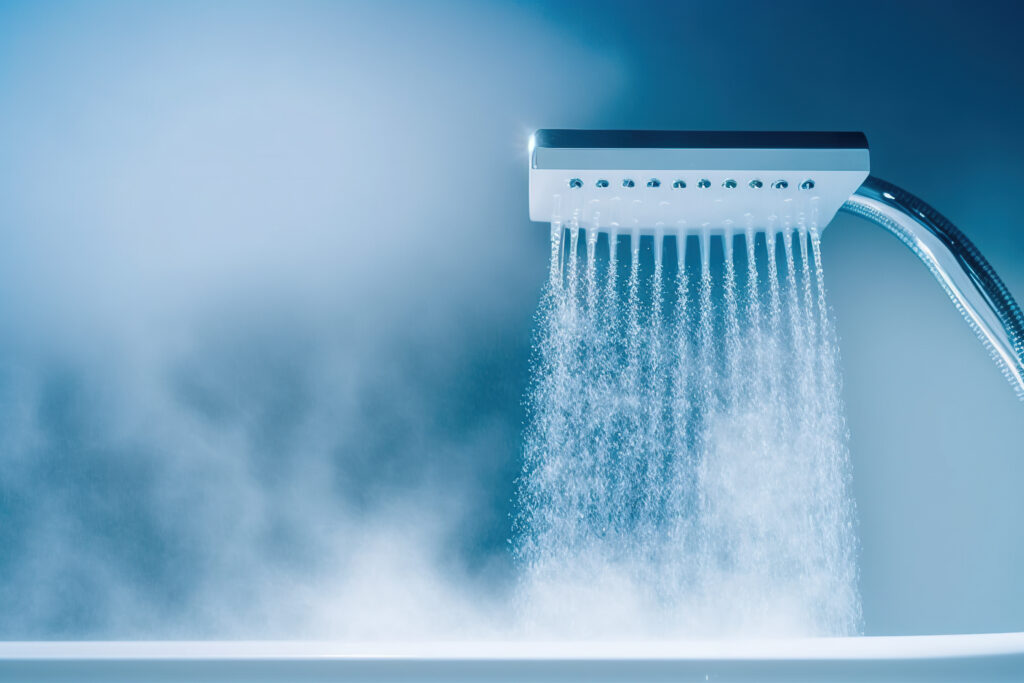
Heat pump water heaters offer advantages that go beyond energy savings. Their efficiency, performance, and durability make them an appealing option for many homeowners.
Energy Efficiency and Lower Utility Costs
Because heat pump water heaters use ambient heat, they consume much less electricity than traditional electric water heaters. Many homeowners notice a reduction in energy bills soon after installation, especially when replacing older systems.
Over the lifespan of the unit, these savings can offset the higher upfront cost and deliver long term value.
Environmentally Friendly Operation
Using less energy means fewer emissions associated with water heating. Heat pump water heaters are considered one of the most environmentally responsible options for residential hot water, helping homeowners reduce their overall energy footprint.
4 Signs a Heat Pump Water Heater Is Right for Your Home
The following indicators often signal that upgrading to a heat pump water heater makes sense.
- Increasing energy bills: Older water heaters often become less efficient over time
- Warm climate location: Heat pump systems perform best in consistently warm areas
- Adequate installation space: Proper airflow is required for efficiency
- An aging water heater: Replacement is often more cost effective than repeated repairs.
Heat Pump vs Traditional Water Heaters
Understanding how different water heaters compare helps homeowners make informed decisions.
| Feature | Heat Pump Water Heater | Traditional Electric Water Heater |
| Energy usage | Very low | High |
| Operating cost | Lower long term | Higher long term |
| Efficiency method | Transfers heat | Generates heat |
| Environmental impact | Reduced emissions | Higher energy demand |
| Upfront cost | Higher | Lower |
While heat pump water heaters cost more initially, long term efficiency often leads to overall savings.
Installation Considerations for Florida Homes
Heat pump water heaters require specific conditions to operate at peak efficiency. Proper placement and installation play a key role in system performance.
Space and Ventilation Requirements
These systems need adequate airflow to capture heat effectively. Garages, utility rooms, and mechanical spaces are often ideal.
- Air circulation: Supports efficient heat transfer
- Ventilation: Prevents heat buildup
- Placement flexibility: Best installed away from primary living areas
Electrical and Drainage Needs
Heat pump water heaters require electrical connections and condensation drainage similar to air conditioning systems. Professional installation ensures all components meet safety and performance standards.
Proven Energy Savings You Can Trust
Heat pump water heaters are supported by reliable efficiency data. Heat pump water heaters can be two to three times more energy efficient than conventional electric resistance water heaters, making them one of the most efficient residential water heating options available.
This efficiency advantage explains why many homeowners experience noticeable reductions in water heating costs after upgrading.
Heat Pump Water Heater FAQs
Homeowners often have questions before switching to a heat pump water heater. The answers below address some of the most common concerns.
How long does a heat pump water heater last?
Heat pump water heaters typically last 10 to 15 years with proper maintenance. Regular filter cleaning and professional inspections help extend system life. Longevity often compares favorably to traditional electric models.
Do heat pump water heaters work in winter?
In mild climates like central Florida, heat pump water heaters perform efficiently year round. During cooler periods, the system may rely more on its backup heating element. This ensures consistent hot water even when ambient air temperatures drop.
Are heat pump water heaters noisy?
Heat pump water heaters produce a low level of sound similar to a refrigerator or air conditioner. When installed in garages or utility rooms, the noise is rarely noticeable. Proper placement minimizes any disruption.
Can a heat pump water heater replace my current unit?
In most cases, yes. A professional assessment is needed to confirm space, electrical capacity, and ventilation requirements. Many homeowners can replace traditional electric water heaters without major modifications.
Local Performance in Central Florida
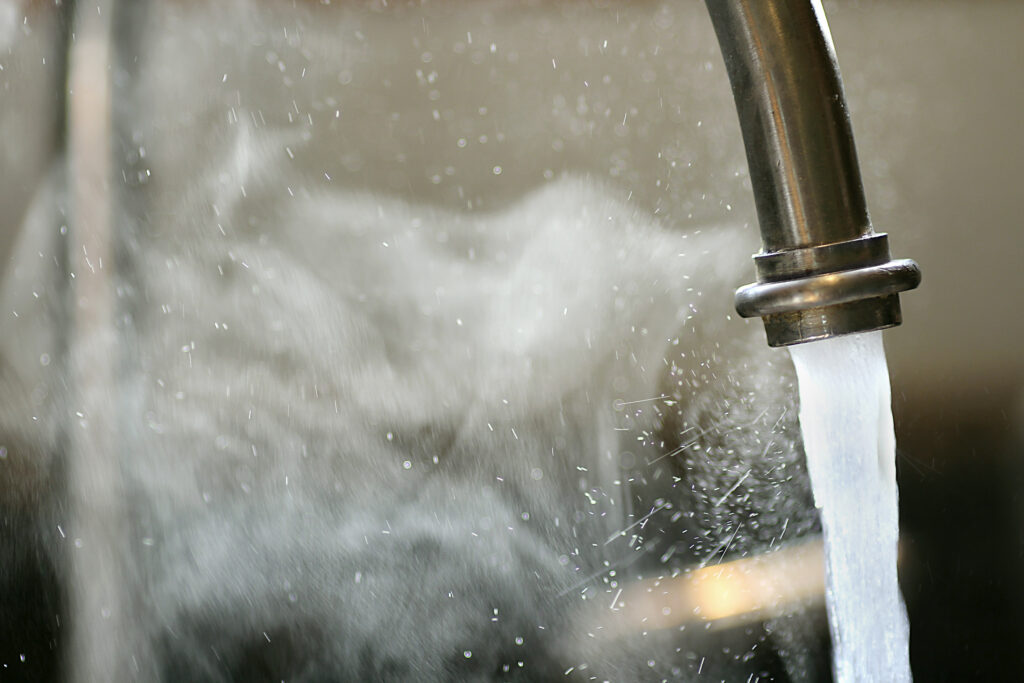
Homes in Eustis benefit significantly from heat pump water heater technology due to warm air availability for most of the year.
- Consistent temperatures: Improve heat transfer efficiency
- High humidity: Supports heat absorption
- Mild winters: Reduce reliance on backup heating
Understanding how local conditions affect performance helps homeowners get the most value from their investment. We’re proud to serve home and business owners in Eustis, FL, and nearby communities with energy efficient water heating solutions and more.
Why Homeowners Trust Bob’s Air Conditioning & Refrigeration
Bob’s Air Conditioning & Refrigeration is dedicated to helping homeowners improve comfort, efficiency, and reliability throughout their homes. Making smart energy decisions often starts with ensuring your heating and cooling system is operating efficiently and sized correctly for your space.
If you’re looking to lower energy costs, improve system performance, or want expert insight into how your home’s comfort systems can work more efficiently together, Bob’s Air Conditioning & Refrigeration is here to help. Contact our team today to schedule a consultation and get straightforward guidance you can trust.
Ultimate Comfort Awaits