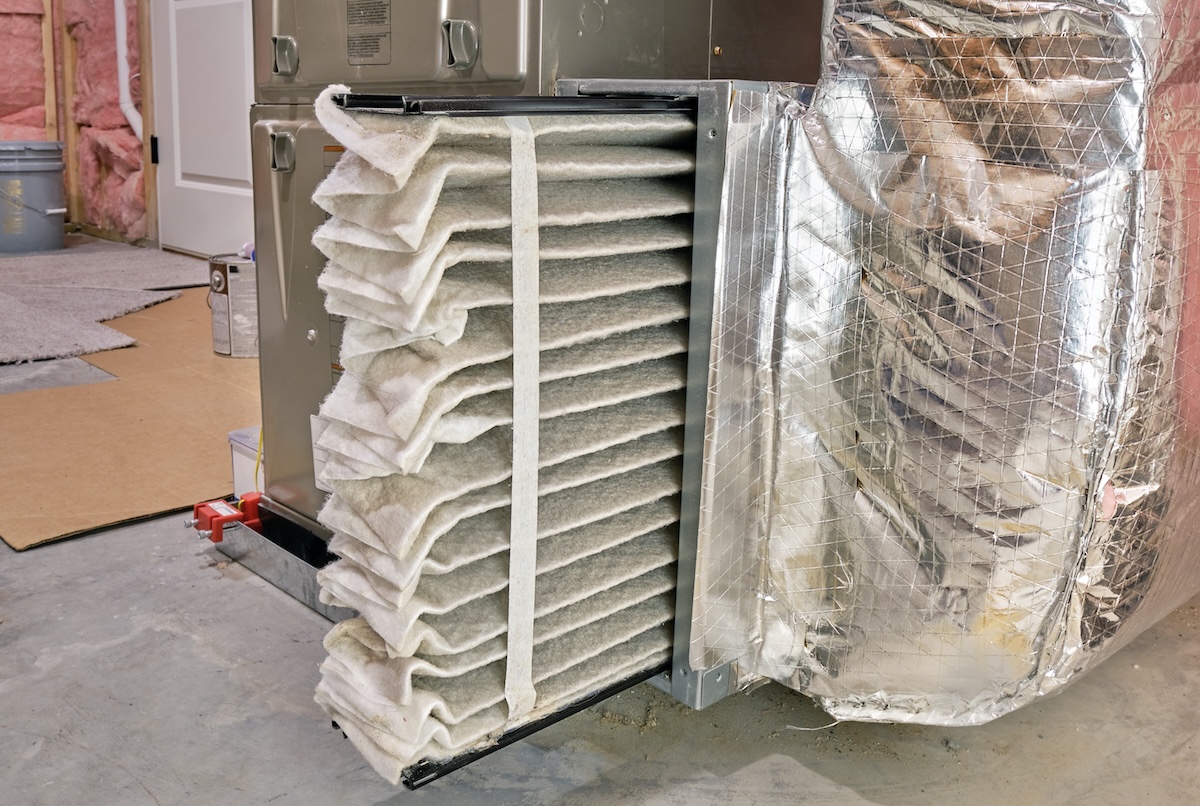
How Often to Change Your Furnace Filter? (6 Factors)
Understanding how often to change your furnace filter is essential for maintaining an efficient and safe heating system in your home. A clean filter ensures proper airflow, improves indoor air quality, and helps your furnace operate smoothly. Neglecting this simple yet vital task can lead to increased energy bills, system malfunctions, and even costly repairs. For homeowners looking to keep their heating systems in top shape, exploring a trusted furnace service resource can provide additional help and guidance.
- Discover why regular furnace filter replacement matters for home comfort and safety
- Learn about five key factors that influence filter change frequency
- Understand practical steps to determine when to replace your filter
- Explore tips to extend filter life while maintaining air quality
- Find out how diligent maintenance affects furnace longevity and energy efficiency
Why Replacing Your Furnace Filter Matters
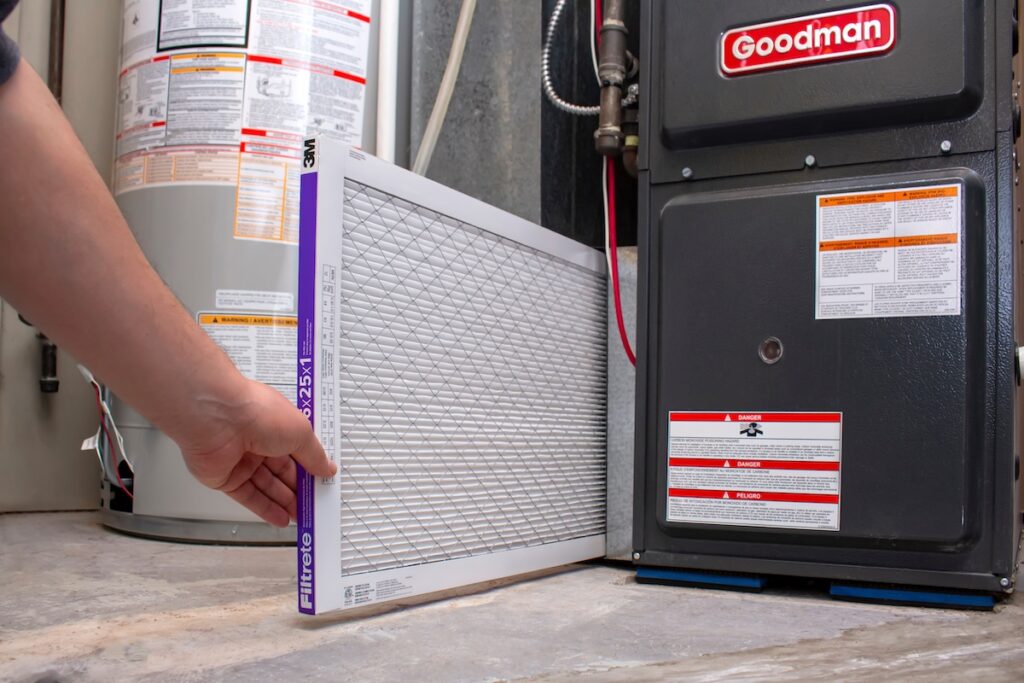
Replacing your furnace filter regularly is not just a maintenance chore but a critical step towards optimizing your heating system’s performance. A clogged or dirty filter restricts airflow, making your furnace work harder and consume more energy. This leads to higher utility bills and increases the likelihood of system breakdowns. Additionally, the quality of air circulating in your home can deteriorate, impacting health and comfort.
- Improved Air Quality: A clean filter traps dust, pollen, and allergens, keeping your indoor environment fresh and healthier.
- Energy Efficiency: Regular filter changes reduce the strain on your furnace, lowering energy consumption and costs.
- Enhanced Comfort: Proper airflow ensures consistent heating throughout the home, avoiding cold spots.
- Prolonged Equipment Life: Minimizing wear and tear on components helps extend the lifespan of your furnace.
- Cost Savings: Preventing premature repairs saves money on costly maintenance down the line.
6 Key Factors That Determine How Often to Change Your Furnace Filter
There’s no universal rule for how often to replace your furnace filter. Several factors affect filter lifespan, and understanding them helps you maintain cleaner air, better efficiency, and a healthier home environment.
1. Type of Furnace Filter
Furnace filters vary by material and efficiency, each with a unique replacement schedule. Fiberglass filters need frequent changes, while pleated and HEPA options last longer but should still be checked regularly.
- Fiberglass filters: change monthly
- Pleated filters: replace every 2–3 months
- HEPA filters: last up to 6 months (check manufacturer’s guidelines)
2. Household Size and Occupancy
More people means more dust, hair, and debris in your home, which can shorten your filter’s life. The fewer occupants, the longer your filter may last.
- Single occupants: can extend replacement intervals
- Large families: change filters more often
- Frequent guests: increase airborne particles
3. Presence of Pets
Fur and dander from pets can quickly clog filters and reduce airflow. Pet owners often need to replace filters more frequently to maintain system efficiency.
- One or two pets: change every 30–60 days
- Multiple or heavy-shedding pets: monthly replacement recommended
4. Indoor Air Quality and Allergies
If anyone in your home suffers from allergies or asthma, cleaner air is essential. Frequent filter changes help reduce allergens, dust, and other irritants.
- Use high-quality filters for better air purity
- Replace filters more often to minimize allergens and improve comfort
5. Use and Seasonality
Filters get dirty faster during peak heating or cooling seasons. During milder months, you can extend replacement intervals but still inspect them regularly.
- Replace monthly during heavy furnace use
- Check every 2–3 months in spring or fall
6. Home Environment and Location
Where you live and the condition of your surroundings can also impact filter life. Dusty or high-pollen areas may require more frequent replacements.
- Rural or construction-heavy areas: change more often
- Cleaner, low-dust environments: longer intervals possible
Practical Steps to Know When It’s Time to Change Your Furnace Filter
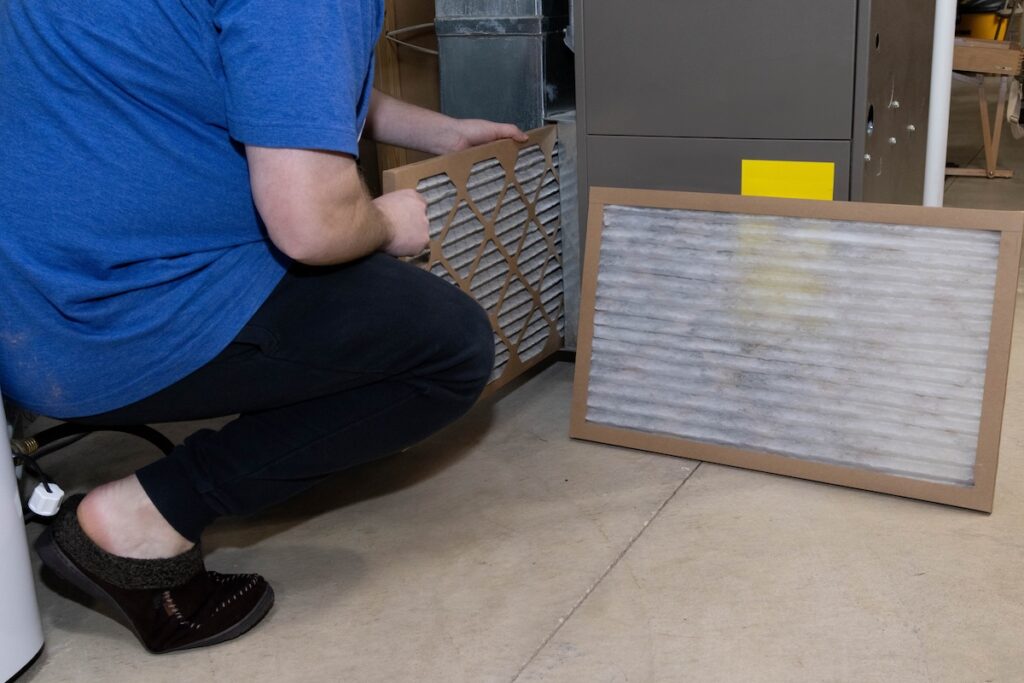
Aside from following general guidelines, homeowners can take simple actions to identify when a filter change is needed. These proactive measures prevent performance issues before they arise.
- Visual Inspection: Hold the filter up to a light source; if you can barely see light through it, replacement is due.
- Monitor Airflow: Notice colder or less consistent heating in rooms, which may indicate poor airflow caused by a dirty filter.
- Allergy Symptoms: Increased sneezing, coughing, or congestion indoors may signal trapped allergens and a need for filter replacement.
- Filter Change Log: Keep track of filter replacements in a calendar or app to maintain a consistent schedule.
Tips to Extend Overall Filter Life and Enhance Furnace Performance
While timely replacement is essential, several maintenance tips can help extend the effective life of your furnace filter and improve your heating system’s efficiency.
Regular Vacuuming Around Vents
Dust and debris accumulating near vents can be drawn into the system, overwhelming the filter prematurely. Routine vacuuming reduces this load and helps keep your filter cleaner for longer.
Sealing Air Leaks
Ensure that your home’s doors and windows are properly sealed to prevent excessive dust and pollen from entering. This reduces the filter’s burden by limiting external contaminants.
Upgrade to a Higher Quality Filter
Investing in a higher-grade filter with better trapping ability can result in cleaner air and longer intervals between changes, though initial cost is higher. It is a worthwhile consideration for those prioritizing indoor air quality and furnace health.
Schedule Professional Furnace Maintenance
Annual inspections by a heating expert help identify issues early and ensure all parts are clean and functioning optimally. This comprehensive care supports the filter’s effectiveness and furnace longevity.
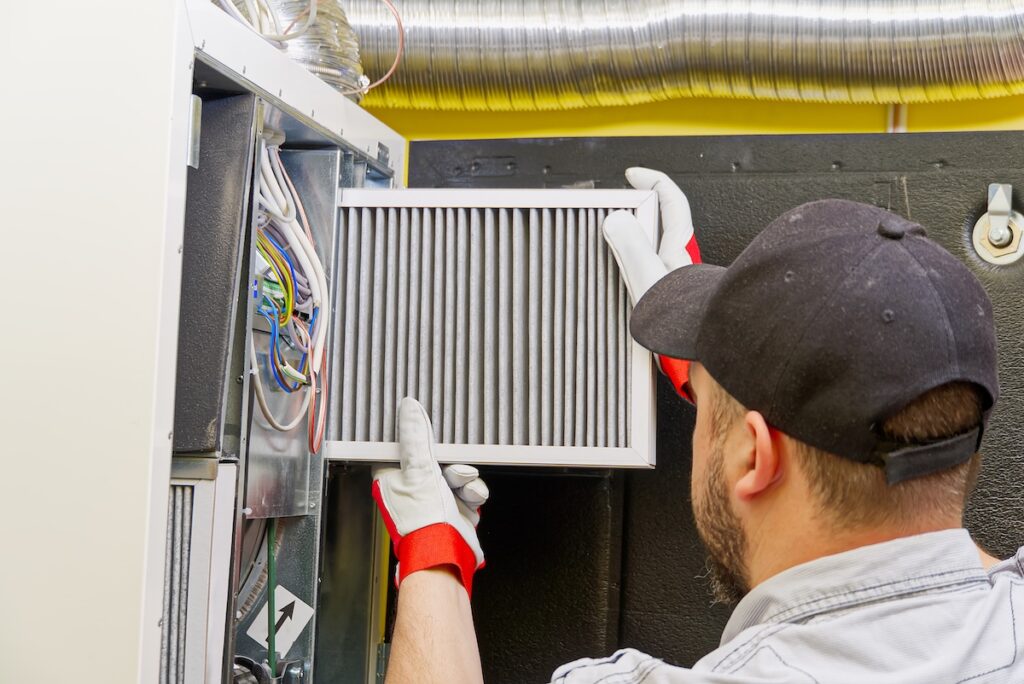
Comparing Furnace Filter Types for Your Home
Selecting the right filter type impacts replacement frequency as well as air quality and system operation. Below is a quick comparison to help clarify choices.
| Filter Type | Average Lifespan | Air Quality Improvement | Cost |
| Fiberglass | 1 month | Basic dust capture | Low |
| Pleated | 2-3 months | Better filtration of dust and allergens | Moderate |
| HEPA (High-Efficiency) | Up to 6 months | Removes fine particles and allergens | High |
| Electrostatic | 1-3 months | Reusable and good for allergens | Moderate |
Next Steps For AC Repair
Knowing how often to change your furnace filter is key to maintaining a healthy home environment and protecting your investment in home heating. Factors such as filter type, household conditions, pets, allergies, and seasonal use all influence the best replacement schedule for your needs. Implementing regular inspections and following maintenance tips can keep your furnace running efficiently and extend its service life.
For those in need of personalized advice or professional furnace services, do not hesitate to contact us today to ensure your heating system is performing at its best during the coldest months.
Ultimate Comfort Awaits