HVAC Replacement Cost: 4 Pricing Factors to Expect in 2026
Understanding hvac replacement costhvac replacement cost in 2026 helps homeowners prepare for one of the largest home comfort investments they may face. Replacing a full hvac system involves more than just equipment pricing. Labor costs, system design, energy efficiency rating, and installation complexity all influence the final total.
- What homeowners typically pay for full system replacement
- Why estimates vary between properties
- The biggest factors that drive hvac installation pricing
- How to budget confidently for a new hvac unit
Knowing what impacts HVAC replacement cost allows you to compare quotes more accurately and avoid unexpected expenses during the hvac replacement process.
What Is the Average HVAC Replacement Cost in 2026?
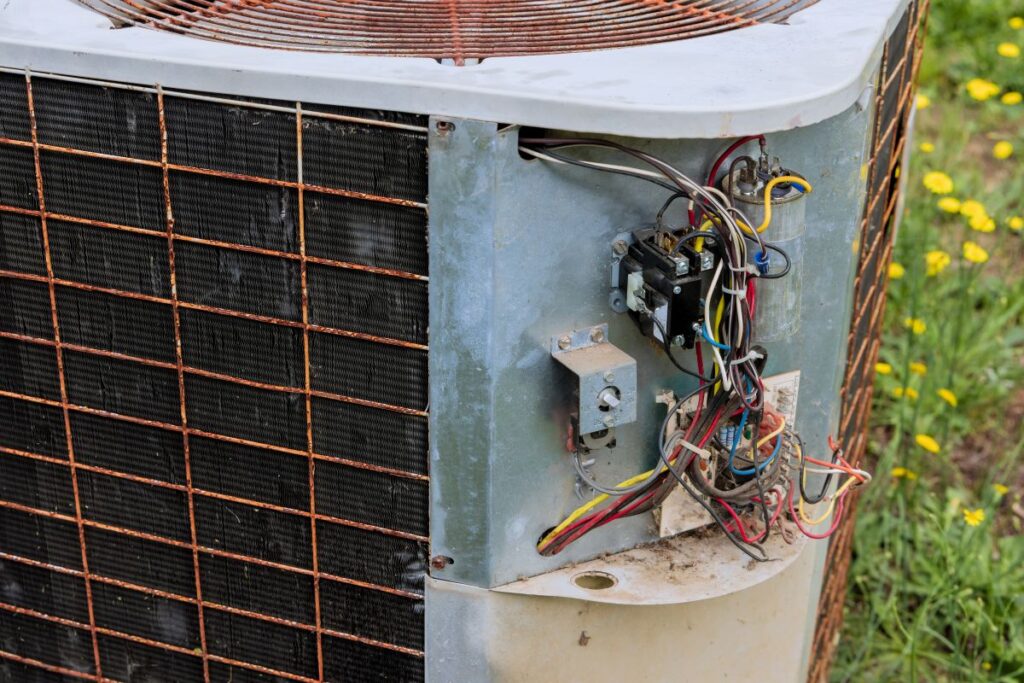
In 2026, the average cost of replacing a full hvac system typically ranges from $7,000 to $15,000 depending on equipment type, efficiency level, and installation requirements. Replacing a central air conditioner and gas furnace together is common in many homes and often provides better performance when installed as a matched system.
Higher efficiency equipment and advanced comfort features can increase the total investment. In Mount Dora, where central air runs for much of the year, choosing the correct system size and humidity control capability plays a major role in both comfort and long term energy savings.
4 Major Factors That Affect HVAC Replacement Cost
While every home is different, most pricing differences come down to four primary areas. Understanding these factors helps homeowners evaluate estimates more confidently and prioritize long term value over short term savings.
1. System Size and Load Calculation
The size of your hvac system must match your home’s heating and cooling demands. An oversized or undersized central air system can reduce energy efficiencyt, shorten equipment life, and create uneven temperatures.
- Home square footage: Larger homes require higher capacity systems
- Insulation and windows: Affect heating and cooling demand
- Humidity considerations: Important in Central Florida climates
A professional load calculation ensures the new hvac unit is properly matched to your home. Correct sizing improves comfort consistency and supports better long term energy efficiency.
2. Energy Efficiency Rating and Technology Level
Higher efficiency systems generally cost more upfront but may reduce monthly energy expenses over time. Equipment with a higher energy efficiency rating, variable speed compressors, or advanced humidity controls increases the initial investment.
- SEER2 rating: Higher ratings increase equipment cost
- Variable speed technology: Improves indoor comfort
- Smart thermostat compatibility: Adds convenience and integration
Choosing the right efficiency level depends on how long you plan to stay in the home. In areas with long cooling seasons like Mount Dora, improved energy efficiency can significantly impact annual utility costs.
3. Ductwork Condition and Modifications
Existing ductwork plays a major role in overall HVAC replacement cost. Damaged, leaking, or improperly sized ducts can limit the performance of a new central air conditioner or gas furnace.
- Duct sealing: Improves airflow efficiency
- Resizing or redesign: Ensures balanced air distribution
- Insulation upgrades: Reduces energy loss
Upgrading ductwork during hvac installation often improves overall system performance. Addressing airflow issues during the hvac replacement process helps maximize the value of your investment.
4. Installation Complexity and Labor Costs
Installation conditions can significantly influence labor costs and project scope. Systems located in tight attic spaces, multi story homes, or properties requiring electrical upgrades may increase total hvac installation pricing.
- Attic or crawl space access: Affects labor intensity
- Electrical upgrades: May be required for new systems
- Permit and code compliance: Ensures safe installation
Professional installation ensures your hvac system operates safely and efficiently from day one. Cutting corners during installation can lead to reduced performance and higher repair expenses later.
HVAC Replacement Cost by System Type
Different HVAC configurations come with different price ranges. Equipment type plays a major role in total investment.
| System Type | Typical 2026 Cost Range | Best For |
| Standard Split System | $7,000 to $10,000 | Most residential homes |
| Heat Pump System | $8,000 to $13,000 | Energy efficient cooling and heating |
| High Efficiency Variable Speed | $10,000 to $15,000+ | Maximum comfort and efficiency |
| Ductless Mini Split | $5,000 to $12,000 | Zoned or smaller spaces |
The average cost for each system type depends on installation conditions and overall system complexity. A professional assessment provides the most accurate pricing.
Financing and Budget Planning for HVAC Replacement
Planning ahead can make HVAC replacement more manageable. Understanding payment options and long term savings potential helps homeowners feel more confident about the investment.
Financing Options
Many HVAC companies offer financing plans that allow homeowners to spread payments over time. This makes upgrading to a new hvac unit more accessible, even when replacement is unexpected.
Rebates and Incentives
Utility companies and manufacturers sometimes provide rebates for high efficiency central air systems and gas furnace upgrades. These incentives can help offset initial installation costs.
Long Term Energy Savings
While higher efficiency systems cost more upfront, they may reduce monthly operating expenses. Over time, improved energy efficiency can help balance the initial investment, especially in homes that rely heavily on central air.
Signs It May Be Time for HVAC Replacement
Not every system failure requires full replacement, but certain warning signs suggest it may be time to upgrade.
- Frequent repairs: Increasing service calls can add up quickly
- Rising energy bills: Older systems often lose efficiency
- Uneven cooling: May indicate airflow or capacity issues
- System age over 15 years: Performance typically declines with age
A professional inspection can help determine whether repair or full hvac system replacement offers better long term value.
Local Climate Considerations in Central Florida
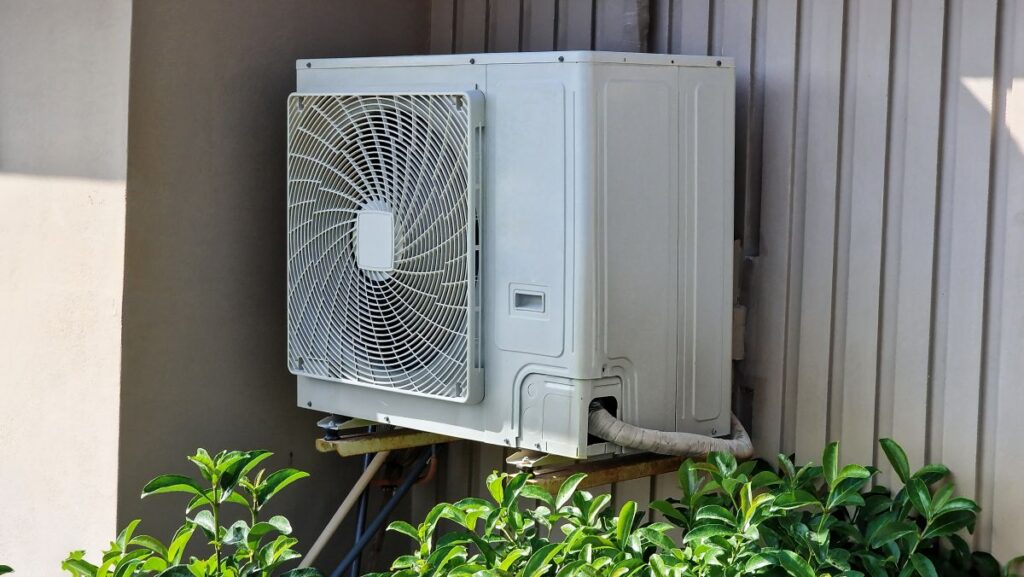
Homes in Mount Dora face long cooling seasons, high humidity, and frequent system use. These conditions make proper system sizing and installation especially important.
- Extended runtime: Increases wear on components
- Humidity control needs: Impacts equipment selection
- Energy cost management: Makes efficiency an important factor
We’re proud to serve home and business owners in Mount Dora, FL, and nearby communities with HVAC replacement and home comfort solutions.
Upgrade With Confidence With Bob’s Air Conditioning & Refrigeration
Bob’s Air Conditioning & Refrigeration helps homeowners understand HVAC replacement cost clearly before installation begins. Our team evaluates your existing hvac system, explains the hvac replacement process, and provides transparent estimates that outline equipment, labor costs, and installation details.
If you are planning a central air or full system upgrade, contact Bob’s Air Conditioning & Refrigeration today to schedule a consultation. We are here to help you invest in reliable comfort and long term energy efficiency.
Ultimate Comfort Awaits