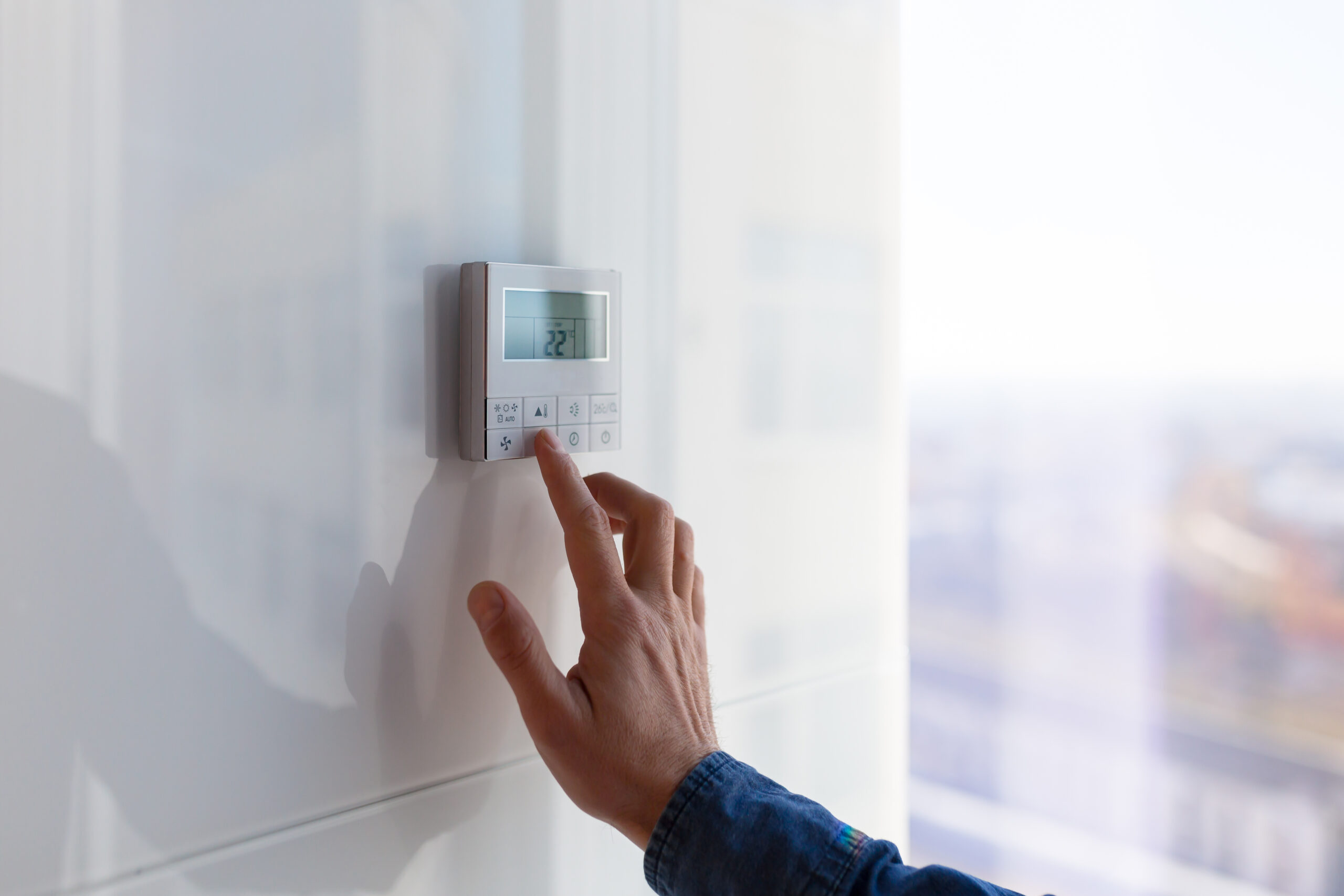
Recommended Thermostat Settings for Summer and Winter
Finding the recommended thermostat settings for summer and winter can help homeowners keep their living spaces comfortable year-round while managing energy costs and reducing unnecessary wear on HVAC systems. Strategic thermostat adjustments benefit comfort, lower utility expenses, and help extend the lifespan of your heating and cooling equipment.
- How recommended thermostat settings impact monthly energy usage
- Seasonal tips for cooling and heating adjustments
- Smart thermostat advantages and features
- Practical strategies for comfort and savings
Most homeowners set their thermostat out of habit rather than strategy. This blog will help you understand how thoughtful settings improve comfort and efficiency in every season.
Why Your Thermostat Settings Matter

Your thermostat is the heart of your HVAC system. It tells your system when to heat or cool, and even a few degrees of difference can change energy use significantly. In places like Mount Dora, where summers are long and humid, and winters are mild, finding the right seasonal settings matters for both comfort and costs.
Thermostat settings also influence indoor humidity and system strain. In summer, overly low settings can lead to excess moisture stuck in walls and ductwork. In winter, setting temperatures too high can dry indoor air and cause uneven heating. Understanding these effects helps you choose better settings based on real seasonal needs.
Recommended Thermostat Settings for Summer
When summer heat is at its peak, your priorities are staying cool and reducing excessive cooling during unoccupied hours. The following recommended settings help maintain comfort and lower energy usage.
Ideal Daytime Settings When You’re Home
During active hours at home, temperatures that are too high can feel uncomfortable, and temperatures that are too low waste energy. A consistent and efficient temperature for many homes in summer is near 78°F.
- Comfort balance: Around 78°F keeps living spaces cool without forcing your system to run constantly
- Airflow support: Use ceiling fans to enhance comfort without lowering thermostat settings
- Humidity control: Proper airflow helps remove moisture so indoor conditions feel more comfortable
Settings for When You’re Away
There is no need to cool an empty home to the same level as when people are there. Raising the thermostat during unoccupied hours can save energy without compromising indoor conditions.
- Energy savings: Set thermostat between 82°F and 85°F when home is empty
- Automatic scheduling: Smart or programmable thermostats adjust temperatures without manual input
- Reduced peak load: Decreasing cooling demand during peak heat hours lowers system strain
Recommended Thermostat Settings for Winter

Even mild winters benefit from thoughtful thermostat adjustments. The goal is warmth and comfort without unnecessary energy use.
Comfortable Winter Settings While Home
For most homeowners, winter comfort is achieved with moderate heat that feels cozy but not excessive.
- Optimal range: Between 68°F and 72°F while at home
- Even warmth: Avoid sudden temperature jumps that can make heating less efficient
- Layering: Light layers of clothing help maintain comfort with efficient thermostat settings
Savings Settings for Away or Sleep Hours
Lowering your thermostat when you are asleep or away reduces heating use while still keeping your home safe and comfortable.
- Energy efficiency: Set between 60°F and 65°F for sleeping or unoccupied hours
- Plumbing protection: Keeps indoor temperature high enough to avoid cold-related issues
- Routine scheduling: Program settings to change automatically based on your schedule
5 Thermostat Tips That Balance Comfort and Efficiency
The following practical strategies help homeowners get the most out of their thermostat settings throughout the year.
Adjust Gradually
Making small temperature adjustments helps your HVAC system adapt without overworking. Sudden, large changes can force the system to run longer cycles than necessary. Gradual changes support consistent comfort and better long-term efficiency.
Use Built In Schedules
Programmable thermostat schedules remove the guesswork from daily temperature changes. By automatically adjusting settings based on your routine, your system runs more efficiently without constant manual input. This is especially helpful for workdays, weekends, and overnight hours.
Consider Humidity Levels
Humidity plays a major role in how comfortable your home feels, especially during summer. When humidity is properly controlled, higher thermostat settings can still feel cool and comfortable. Managing moisture also helps protect indoor air quality and building materials.
Avoid Frequent Manual Changes
Constantly changing your thermostat can cause your HVAC system to short cycle. Short cycling reduces efficiency and increases wear on critical components. Keeping steady settings allows your system to operate as designed.
Keep Up With Maintenance
Regular maintenance ensures your HVAC system responds accurately to thermostat commands. Clean filters, inspected components, and seasonal tune ups all contribute to better performance. A well maintained system delivers more consistent comfort with less energy use.
Smart Thermostats Compared to Manual Units
Choosing the right thermostat can simplify seasonal changes and maximize efficiency.
| Feature | Manual Thermostat | Smart Thermostat |
| Scheduling | Needs manual adjustments | Automatic scheduling |
| Remote access | No | Yes via mobile app |
| Energy insights | Not available | Offers usage reports |
| Learning capabilities | No | Can adapt to habits |
| Cost efficiency | Lower upfront cost | Saves on energy long term |
Smart thermostats are especially useful for households with varying schedules. They help maintain seasonal temperature recommendations without daily adjustments.
Energy Savings You Can Rely On
Thermostat settings have a large impact on your energy usage. Setting your thermostat back 7 to 10 degrees for 8 hours a day can save as much as 10% a year on heating and cooling costs, making smart temperature management an effective way to lower utility bills.
In climates like central Florida, higher summer settings reduce peak cooling demand while lower winter settings limit unnecessary heating. Over time, these savings add up and contribute to a more efficient home.
Local Climate Considerations
Mount Dora experiences hot, humid summers and mild winters, which means thermostat strategy matters as much as temperature preference.
- High summer humidity: Settings that are too low may cool air quickly but leave excess moisture behind
- Extended cooling season: Longer summers increase the importance of efficient cooling schedules
- Mild winter conditions: Lower heating demand allows for more conservative winter settings
Understanding local weather patterns helps homeowners choose thermostat settings that support both comfort and efficiency year-round. We’re proud to serve home and business owners in Mount Dora, FL, and nearby communities with HVAC comfort solutions and more.
Trust Bob’s Air Conditioning & Refrigeration for Year Round Comfort
Bob’s Air Conditioning & Refrigeration has helped homeowners fine tune indoor comfort through dependable HVAC service and straightforward guidance. From thermostat recommendations to smart thermostat upgrades and system maintenance, our team focuses on solutions that support long term comfort and efficiency.
If you want help optimizing your thermostat settings, improving system performance, or planning an upgrade, Bob’s Air Conditioning & Refrigeration is ready to help. Reach out today to schedule a consultation and keep your home comfortable in every season.
Ultimate Comfort Awaits