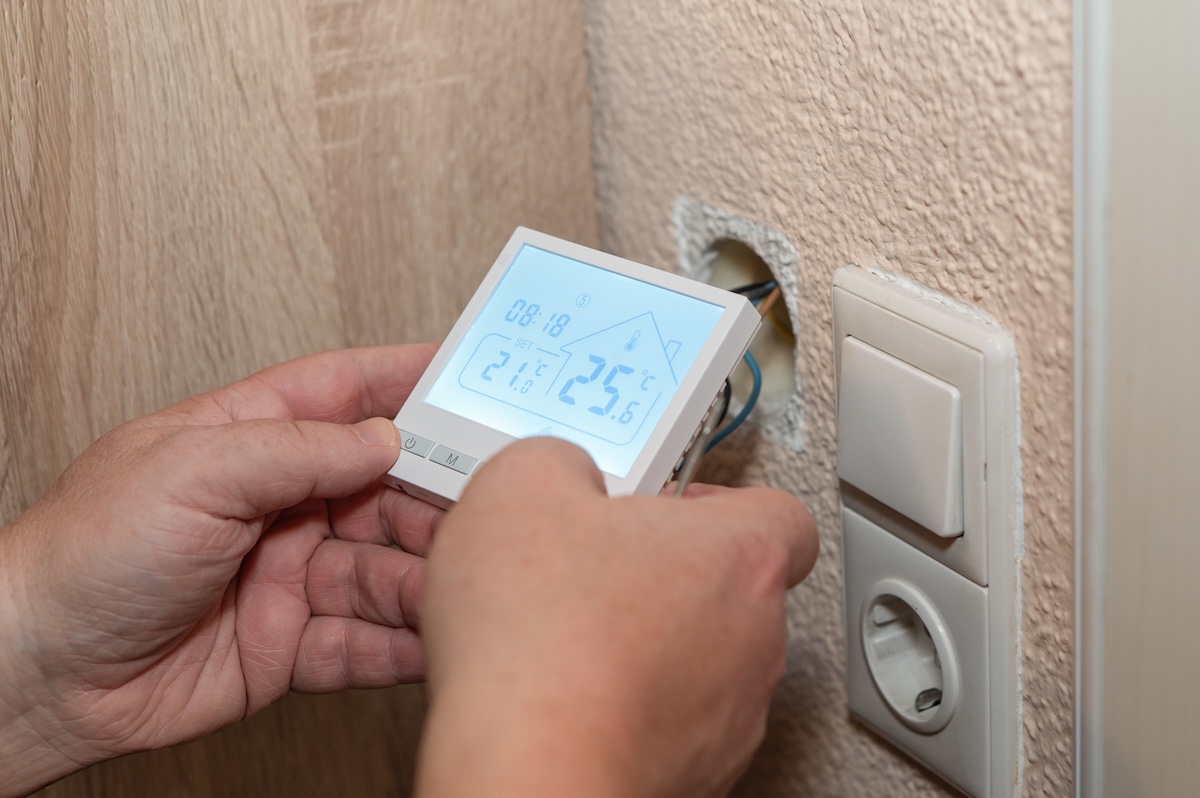
Thermostat Replacement Guide (When & How to Upgrade)
Knowing when to consider a thermostat replacement is essential for maintaining an efficient and comfortable home environment. A smart, well-functioning thermostat not only controls your air conditioning and heating effectively but also helps reduce energy costs. If you’re looking to upgrade, understanding the key signs and steps can save you from unexpected breakdowns and high utility bills. For expert help with your air conditioning needs, consider exploring professional services that specialize in air conditioning systems.
- Identify the signs: Learn when your thermostat needs replacement.
- Understand the benefits: Discover how upgrading improves comfort and savings.
- Explore replacement options: Find out which types of thermostats suit your needs best.
- Follow a step-by-step guide: Know how to upgrade your thermostat properly.
- Maintain your new thermostat: Tips for extending its lifespan and efficiency.
Why Thermostat Replacement Matters for Comfort and Efficiency
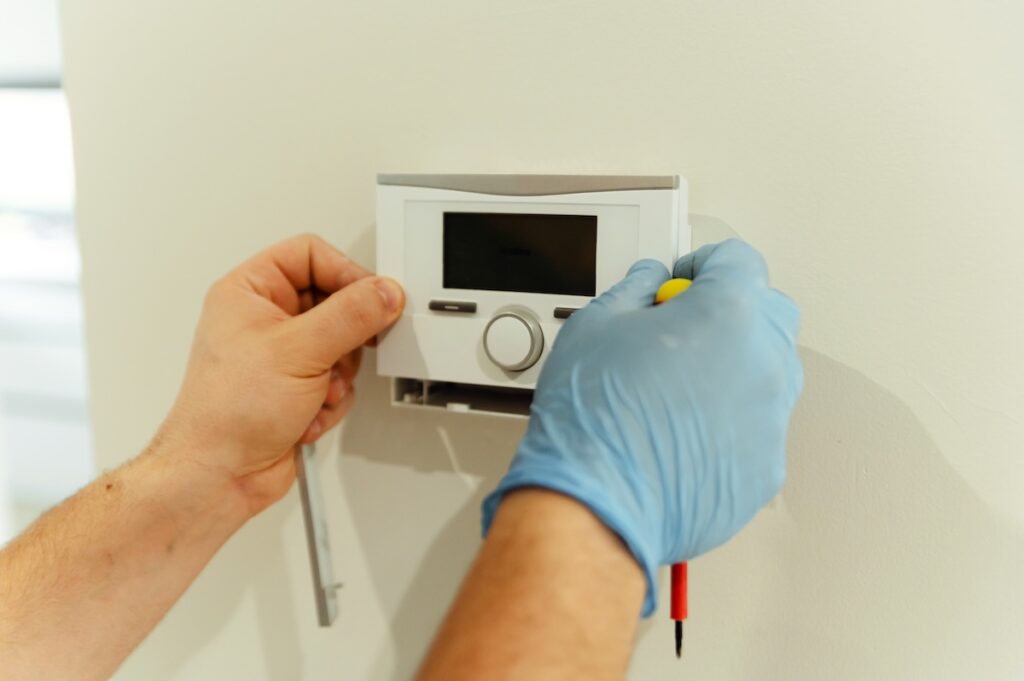
Thermostats are the unsung heroes of your HVAC system, governing temperature control and energy use. When a thermostat malfunctions or becomes outdated, it can result in inconsistent temperatures, increased energy bills, and premature wear on your air conditioning and heating system. Whether your thermostat doesn’t communicate well with your HVAC or lacks modern features, the need for replacement is critical to maintaining a comfortable environment.
- Energy Efficiency: Older thermostats may cause your system to run unnecessarily, wasting energy and raising bills.
- Accurate Temperature Control: A modern thermostat ensures precise control, offering consistent comfort in your home.
- Compatibility with HVAC Systems: New models can integrate better with today’s air conditioning and heating technology.
- Smart Home Integration: Upgraded thermostats offer remote control and programmable schedules for convenience and savings.
- System Longevity: Proper thermostat function reduces strain on air conditioning units, helping them last longer.
5 Key Steps to a Successful Thermostat Replacement
Replacing your thermostat might seem daunting, but breaking the process down into clear steps helps ensure success. Each step addresses a crucial point in the upgrade journey—from recognizing replacement signs to installation and setup.
1. Recognize When It’s Time to Replace
Start by identifying if your current thermostat is underperforming or obsolete. Common indicators include inaccurate temperature readings, lack of responsiveness, or incompatibility with your HVAC system.
- Frequent HVAC cycling: The system turns on and off too frequently.
- Manual adjustments fail: The thermostat doesn’t respond when settings are changed.
- Using outdated tech: Older models lacking programmable or smart features.
2. Choose the Right Type of Thermostat
Select a thermostat that meets your household’s specific needs. Options range from basic manual units to advanced smart thermostats with Wi-Fi connectivity and learning capabilities.
- Manual Thermostats: Basic and simple to use but limited in features.
- Programmable Thermostats: Allow scheduling to save energy when away or asleep.
- Smart Thermostats: Connect to your smartphone for remote control and energy reports.
3. Check Compatibility with Your HVAC System
Ensuring the thermostat will work seamlessly with your air conditioning and heating system is critical. Consult HVAC documentation or professionals for guidance.
- Voltage requirements: Most residential thermostats use low voltage (24V), but confirm before purchasing.
- Wiring compatibility: Check how many wires your current thermostat uses and compare with new model requirements.
- System type: Compatibility with conventional, heat pump, or multi-stage systems matters.
4. Install and Configure Your New Thermostat
Installation may be handled by a DIY enthusiast or a professional technician. Proper setup ensures the thermostat communicates effectively with your HVAC system.
- Turn off power: Avoid electrical shock by switching off your HVAC system at the breaker.
- Label wires: Mark each wire during removal for easier installation.
- Follow manufacturer instructions: Use the provided guide for mounting and wiring.
- Configure settings: Set your preferred temperature schedules or sync with your smart home devices.
5. Monitor Performance and Adjust
After installation, monitor how well your thermostat maintains your home’s comfort and energy savings. Adjust settings as needed to optimize performance.
- Track energy usage: Smart thermostats often offer reports on energy consumption.
- Fine-tune schedules: Modify temperature settings based on your daily routine.
- Perform regular checks: Ensure batteries are replaced and connectivity is stable.
Enhancing Your HVAC Efficiency with Thermostat Technology
Modern thermostat technologies bring powerful benefits beyond basic temperature control. Understanding these advances can help you choose a thermostat that maximizes efficiency without sacrificing comfort.
Adaptive Temperature Control
Smart thermostats learn your habits and adjust heating and cooling cycles automatically, improving comfort and energy efficiency.
Remote and Voice Control Features
Integration with smartphones and voice assistants allows you to adjust settings from anywhere—perfect for sudden weather changes or changing schedules.
Geofencing Capabilities
Some advanced thermostats use your phone’s location to activate heating or cooling as you approach home, reducing waste while ensuring comfort upon arrival.
Energy Usage Reports
Detailed insights into your HVAC system’s energy consumption help identify patterns and potential savings.
Compatibility with Renewable Energy Systems
Thermostats integrated with solar or other renewable sources can optimize energy use to reduce carbon footprint and bills.
Common Challenges and Solutions for Thermostat Replacement
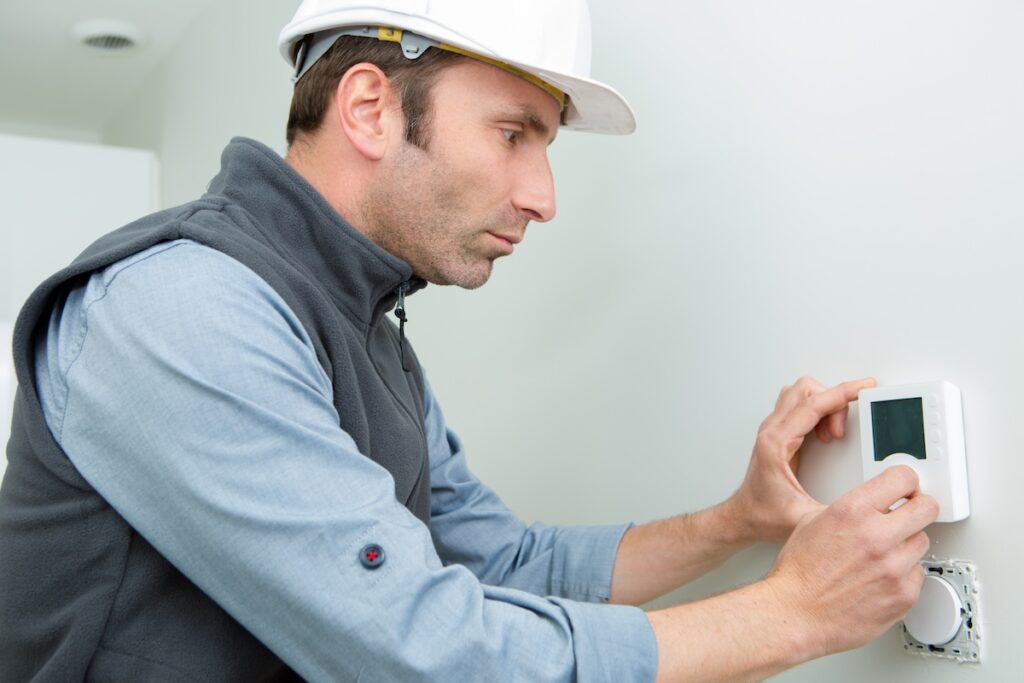
Even with a clear plan, challenges can arise during thermostat replacement, but understanding them ahead of time can ensure a smoother process.
| Challenge | Solution |
| Incorrect wiring during installation | Label wires carefully, refer to the installation manual, or consult a professional technician |
| Compatibility issues with HVAC system | Verify system specifications and consult HVAC specialists before purchase |
| Loss of Wi-Fi connectivity | Place the thermostat near the router, update firmware regularly, and troubleshoot network issues |
| Thermostat not maintaining consistent temperature | Check calibration settings and perform routine maintenance on your HVAC system |
| Difficulty programming schedules | Use model-specific apps or tutorials, or opt for simpler programmable models |
Next Steps to Comfort and Efficiency
Thermostat replacement is a strategic upgrade that offers lasting benefits for temperature control, energy savings, and system longevity. Taking the time to select the proper thermostat and following best installation practices ensures these benefits are fully realized. Whether you want to optimize your home’s climate or cut down on utility bills, upgrading your thermostat is a smart move.
Let Bob’s AC assist you in finding the right thermostat replacement solution tailored for your home. To get started, contact us today and experience expert guidance and professional service for your air conditioning and heating needs
Ultimate Comfort Awaits