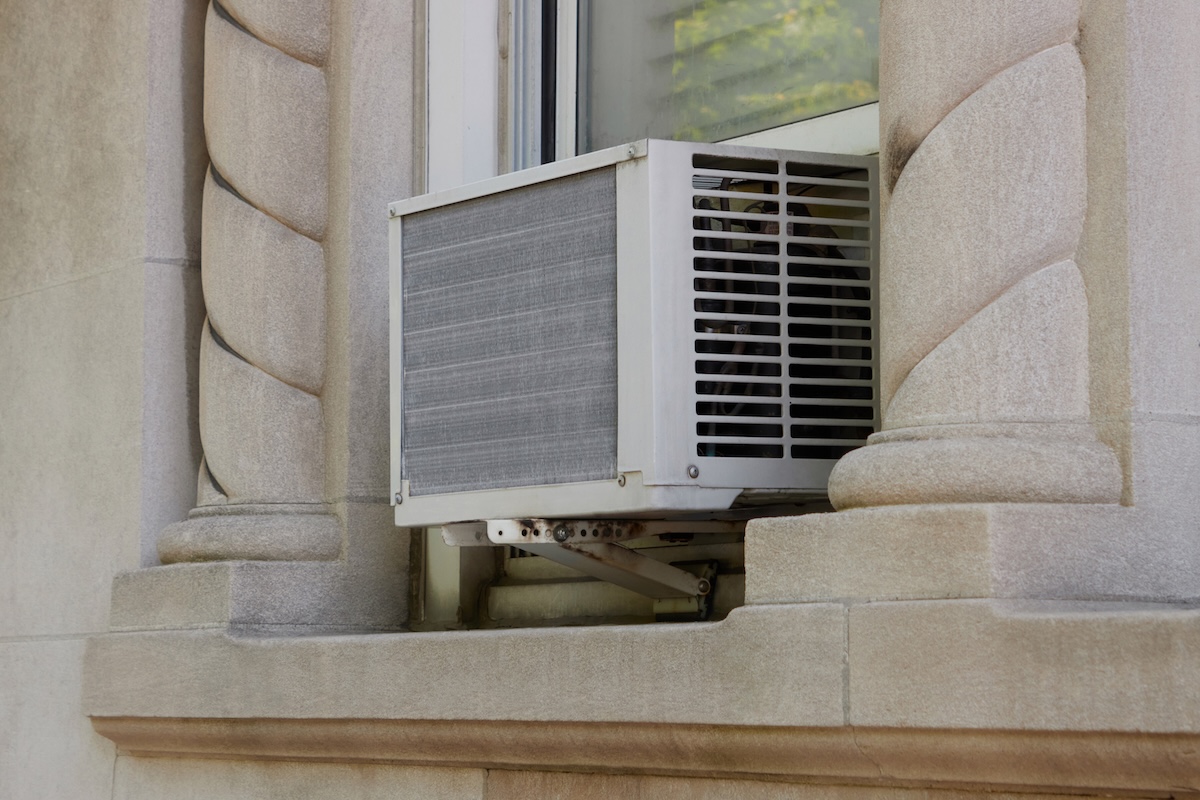
Window AC Unit Guide (5 Sizing, Features & More)
For many Florida homeowners, especially those living in older houses or properties without central air, a window ac unit is a simple and affordable solution for cooling. These compact systems offer reliable comfort without the higher cost of full HVAC installations. Whether you need supplemental cooling for a specific room or an affordable option to beat the summer heat, window units remain a practical choice. To see how professional installation makes all the difference, explore AC installation services for guidance on selecting the right system.
In this guide, you’ll learn:
- Why window AC units are still a popular choice in 2025
- The five key factors to consider when selecting one
- Must-have features that improve performance and convenience
- Pros and cons compared to other cooling options
- Tips to maximize efficiency and lifespan
Why Homeowners Still Choose Window AC Units
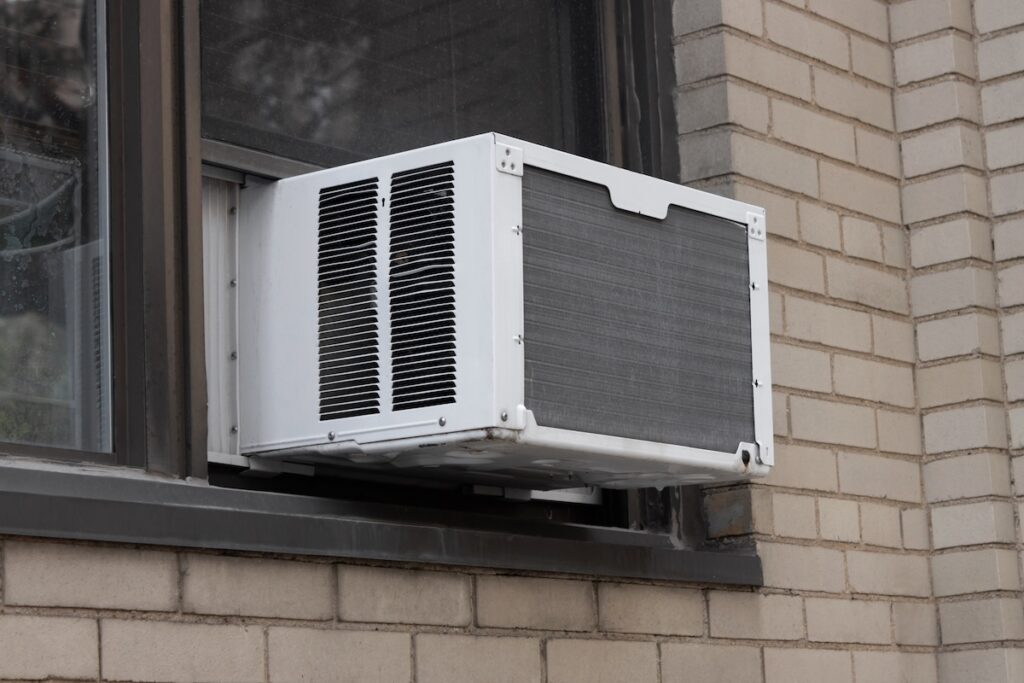
Even with ductless and central air systems on the rise, window units continue to provide important benefits for families in Tavares and surrounding areas.
- Affordable Cooling: Upfront costs are far lower than installing a central system.
- Quick Installation: Easy to set up in most windows with no major renovations.
- Space Flexibility: Great for apartments, guest rooms, or bonus spaces.
- Energy Control: Cool only the spaces you use, which saves on energy bills.
- Reliable Comfort: Perfect for bridging gaps when your main AC struggles on hot days.
For homeowners who want practical comfort without breaking the bank, window units remain a dependable choice.
5 Key Factors to Consider When Choosing a Window AC Unit
Not all window units are the same. To make sure you get the best fit for your home, here are the five most important things to evaluate before buying.
1. Size and Cooling Capacity
Window AC units are rated by BTUs (British Thermal Units), which measure cooling capacity. Too small, and the unit won’t cool properly. Too large, and it will short-cycle, wasting energy.
- Small Rooms (100–300 sq. ft.): 5,000–6,500 BTUs
- Medium Rooms (300–500 sq. ft.): 7,000–8,200 BTUs
- Large Rooms (500–1,000 sq. ft.): 9,800–12,500 BTUs
Tip: Consider room insulation, ceiling height, and sunlight exposure in Tavares homes, as they can affect cooling needs.
2. Energy Efficiency
Energy Star–certified units use less power while maintaining strong cooling. Look for models with a high CEER (Combined Energy Efficiency Ratio) rating.
- Saves money on monthly bills
- Reduces environmental impact
- Often comes with rebates or incentives
3. Noise Level
Some window AC units are louder than others. If the unit is for a bedroom, consider one with a decibel rating under 60 for quieter operation.
4. Smart Features
Modern window units now include features previously only available on larger systems.
- Wi-Fi control through apps
- Voice assistant compatibility
- Energy-saving modes and timers
5. Price and Warranty
Balancing upfront cost with warranty coverage is key. Reliable brands often offer at least a one-year warranty, with extended options for parts and labor.
Features That Make a Difference
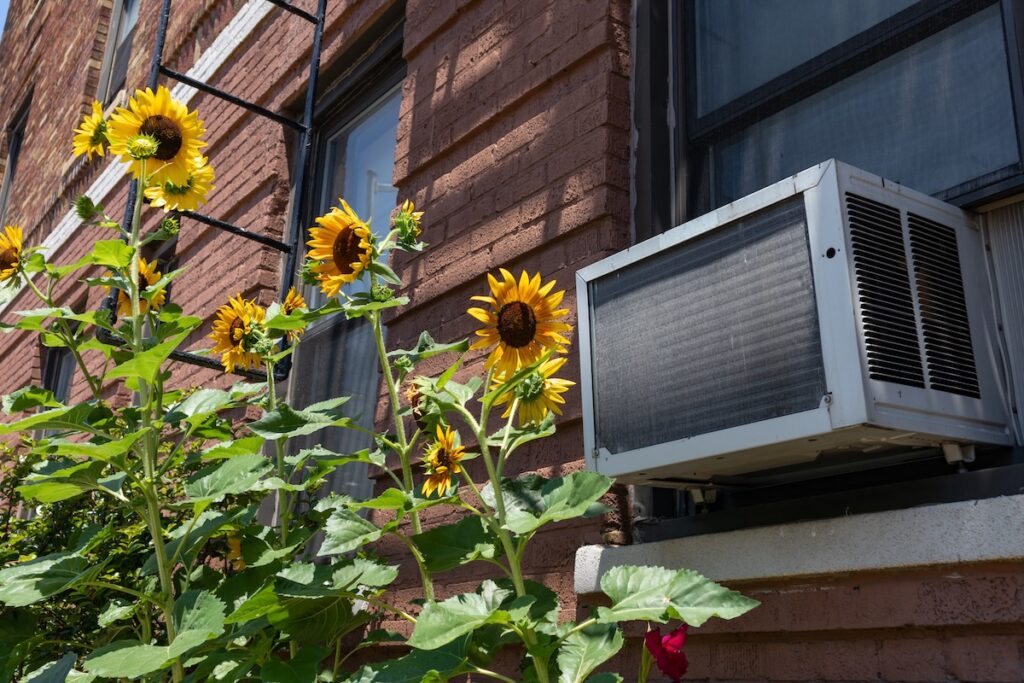
Beyond the basics, certain features add comfort and convenience:
- Remote Control: Adjust temperature without leaving your seat.
- Programmable Timer: Schedule cooling around your daily routine.
- Dehumidification Mode: Florida humidity can feel oppressive, and this feature helps manage it.
- Filter Indicator Light: Reminds you when it’s time to clean or replace filters.
- Multi-Directional Airflow: Ensures even cooling across the entire room.
For many homeowners in Tavares and surrounding areas, these features improve day-to-day comfort while keeping energy use in check.
Pros and Cons of Window AC Units Compared to Other Cooling Systems
Before committing, weigh the benefits and trade-offs against other cooling options.
| Option | Pros | Cons | Best For |
| Window AC Unit | Affordable, quick install, portable between seasons | Limited cooling power, blocks window space | Apartments, small rooms, supplemental cooling |
| Ductless Mini-Split | High efficiency, quiet, cools larger spaces | Higher upfront cost, pro installation | Garage conversions, home offices |
| Central AC | Whole-home comfort, seamless integration | Expensive, requires ductwork | Large homes with existing ducts |
| Portable AC | Flexible, easy to move | Less efficient, floor space needed | Temporary cooling needs |
This comparison shows why window ACs still hold strong appeal—they balance cost and effectiveness for smaller or secondary spaces.
How to Maximize Performance of a Window AC Unit
Even the best system won’t perform well if not used properly. Follow these tips to get the most from your investment.
- Proper Installation: Ensure a snug, level fit in the window to avoid leaks.
- Seal Gaps: Use insulation strips or foam to block warm air from entering.
- Routine Filter Cleaning: Dirty filters reduce efficiency and airflow.
- Shade the Unit: If possible, install on the shady side of your home to improve performance.
- Turn It Off When Not in Use: Use timers or smart settings to avoid unnecessary runtime.
When to Upgrade from a Window AC Unit
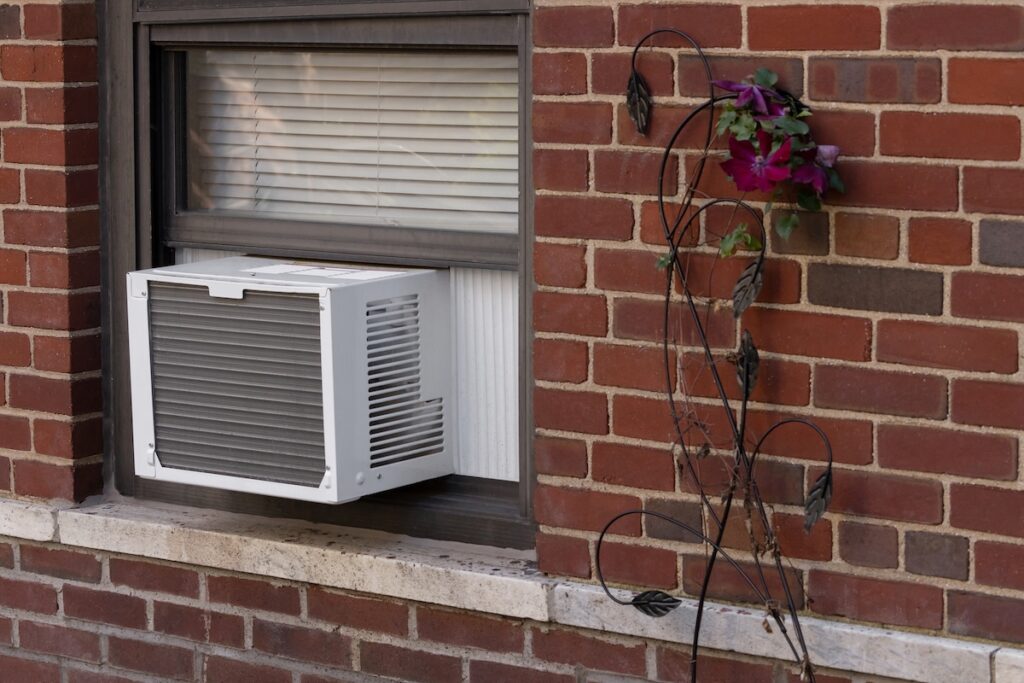
While window units work well for many homeowners, there comes a point where upgrading makes sense. Signs you may need to move to a ductless or central system include:
- Cooling multiple rooms or an entire floor
- Rising energy bills despite frequent use
- Units over 10 years old showing frequent issues
- Noise or poor air quality becoming an ongoing concern
In Tavares and surrounding areas, many families start with window ACs, then eventually invest in larger systems as their needs grow.
Smart Choices for Year-Round Comfort
Window AC units remain one of the most practical and affordable cooling solutions for Florida homeowners. They’re simple, effective, and reliable when chosen correctly. By sizing the unit to your space, selecting the right features, and maintaining it properly, you can enjoy dependable comfort even during the hottest months.
If you’re considering installing or upgrading a window AC unit—or weighing whether a larger system is the better choice for your family—contact us today for expert advice and professional service in Tavares and surrounding areas.
Ultimate Comfort Awaits